National Human Rights Commission: Recommendations Implementation Unsatisfactory

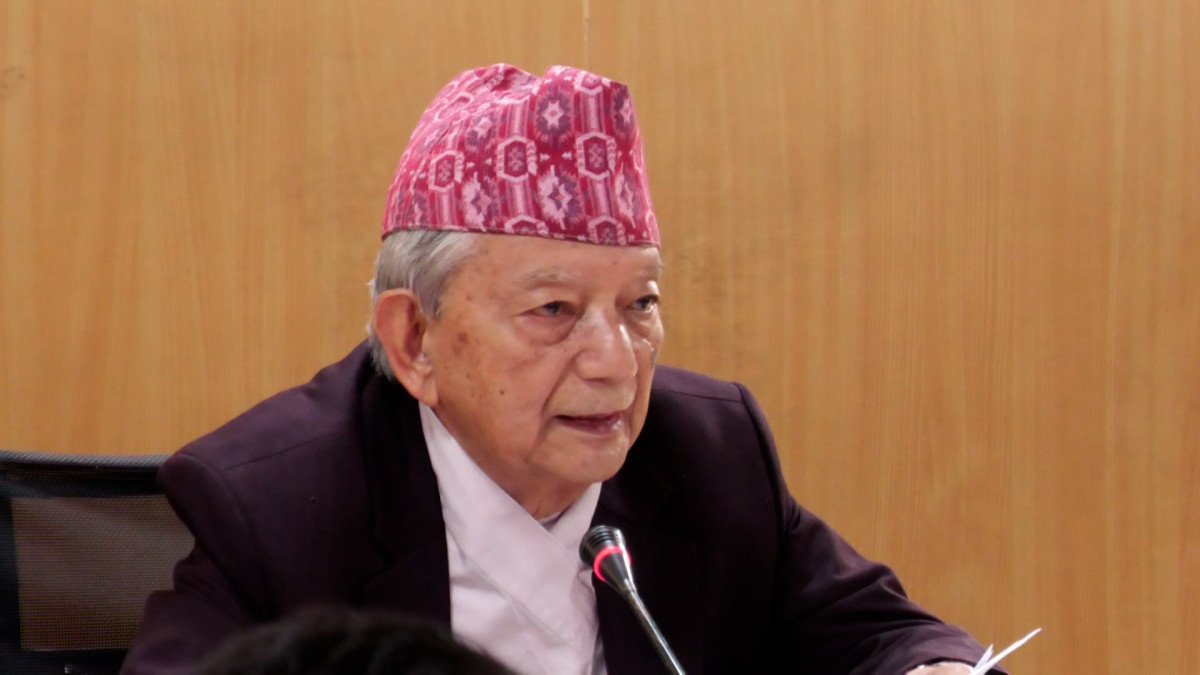
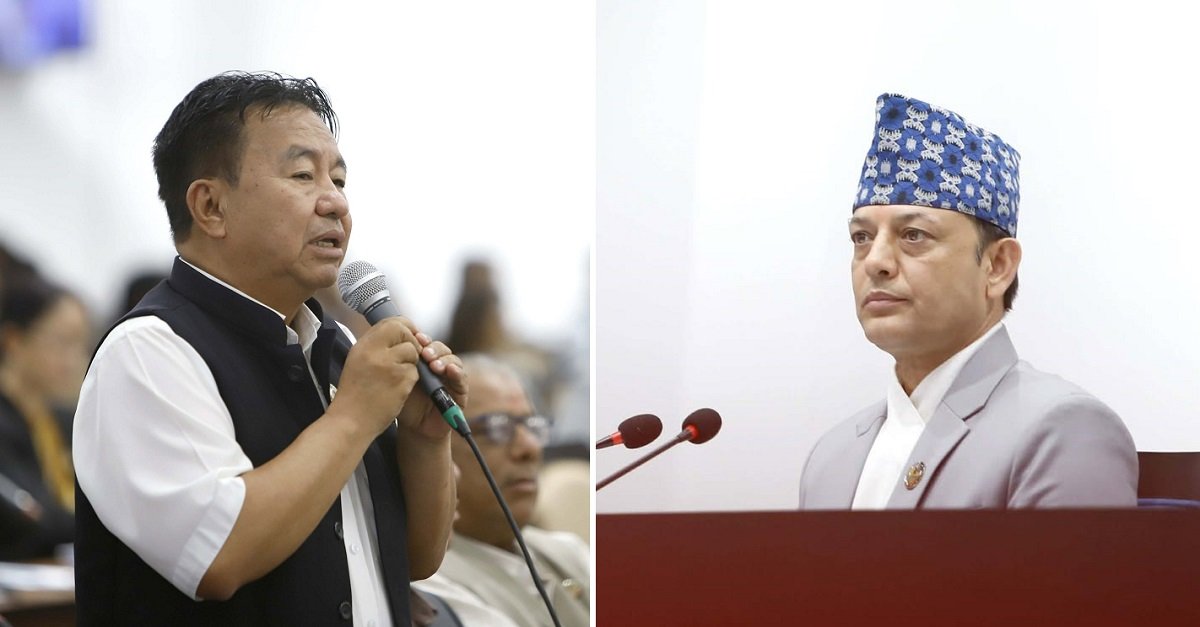
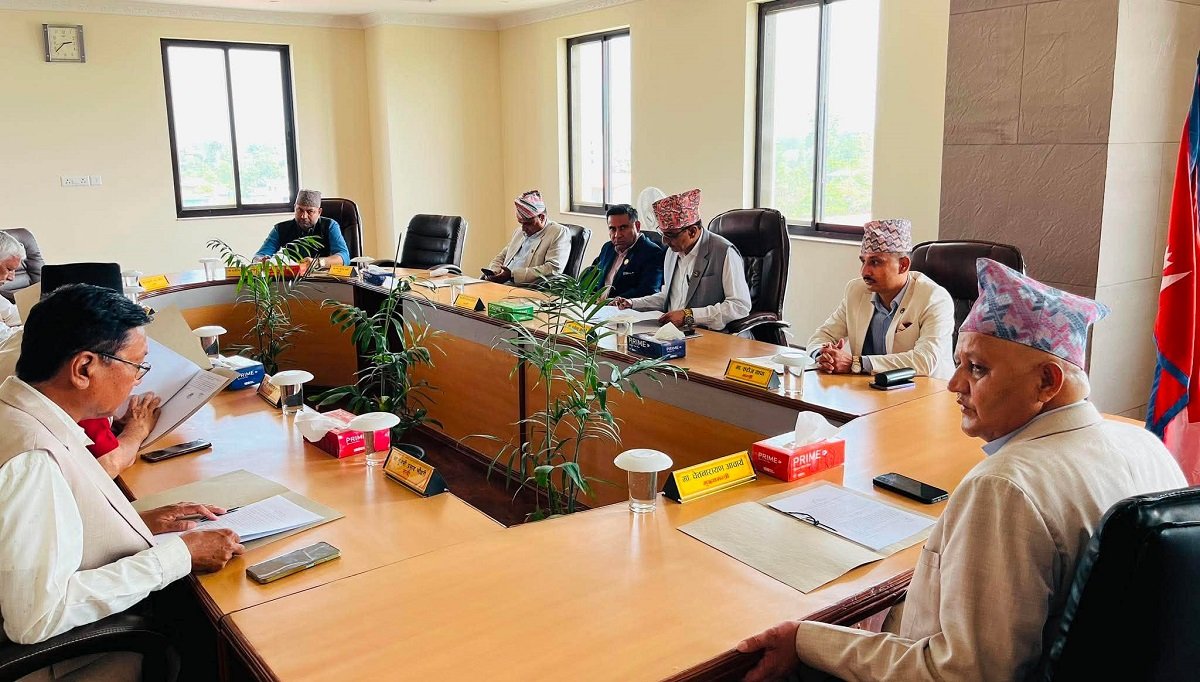
Kathmandu. The National Human Rights Commission has stated that the implementation status of its recommendations to the government on human rights issues is not satisfactory. Speaking at the meeting of the Law, Justice and Human Rights Committee of the House of Representatives on Wednesday, Commission Chairman Tap Bahadur Magar said this. He stated that only 13 percent of the recommendations made by the commission to the government have been fully implemented. According to him, 34 percent of the commission's recommendations have been partially implemented, while more than 52 percent of the recommendations have not yet been implemented. Chairman Magar informed that more than 14,000 complaints have been registered with the commission so far. Of these, 10,600 complaints have been resolved, while 2,100 complaints are under investigation. He said that the implementation of recommendations regarding providing compensation to victims and punishing the guilty in conflict-era cases is being delayed. He said at the meeting, 'So far, more than 14,000 complaints have been filed with us. Of these, about 10,600 complaints have been resolved. Currently, 2,100 complaints are under investigation, and 1,200 complaints are pending.' Clarifying the status of the commission's recommendations, he added, 'The commission has made 1,630 recommendations to the government, and 8,260 complaints have been kept pending. However, most of the recommendations we have made have not been implemented. Looking at the implementation status, only 13 percent of the commission's recommendations have been fully implemented. 34 percent of the recommendations have been partially implemented, and more than 52 percent of the recommendations have not been implemented.' He mentioned that the commission has repeatedly urged the government to implement its recommendations, saying, 'The implementation of recommendations to provide compensation to victims and punish the guilty in conflict-era cases is being delayed.' Chairman Magar also emphasized the need for transparency in the commission's appointment process, noting international interest in it. He also stated that their demand is for the career development and facilities of the employees working in the commission to be in accordance with the constitution. Mentioning that the condition of the country's road projects is worrying, he pointed out the need for extensive reforms in the fields of health, education, and food rights.
This specific news has been automatically translated by AI. As a result, there may be some inaccuracies or language errors.