Legal Experts and Civil Society Warn Against Government Move to Ban Student Unions

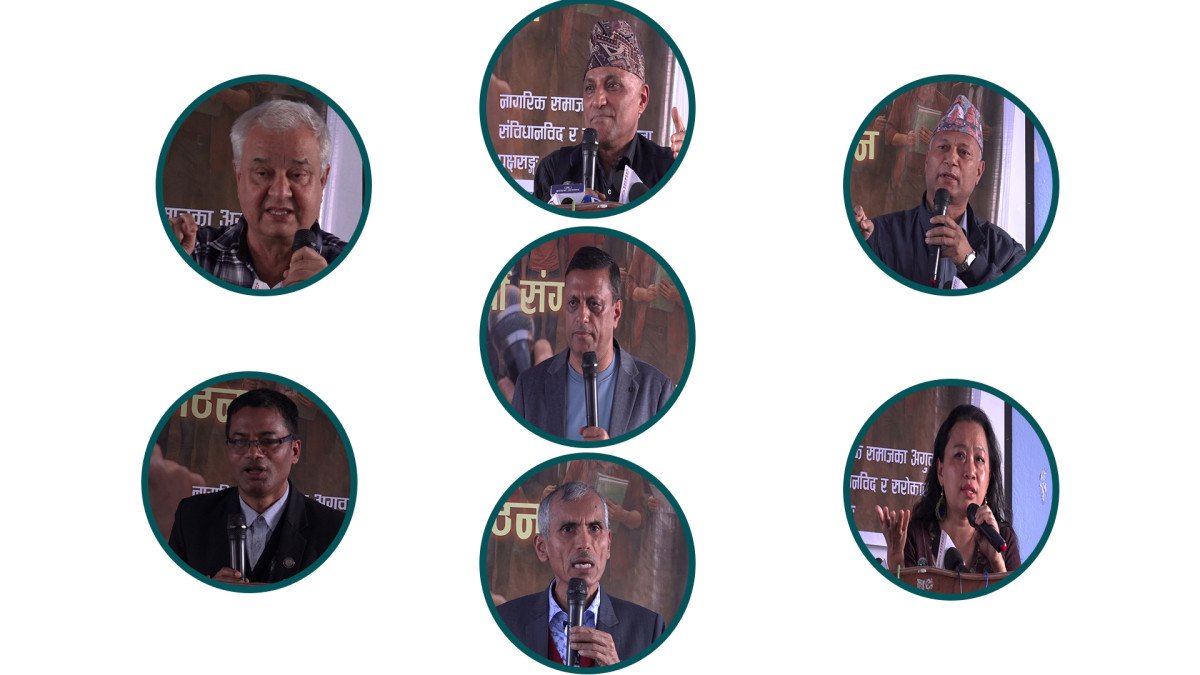
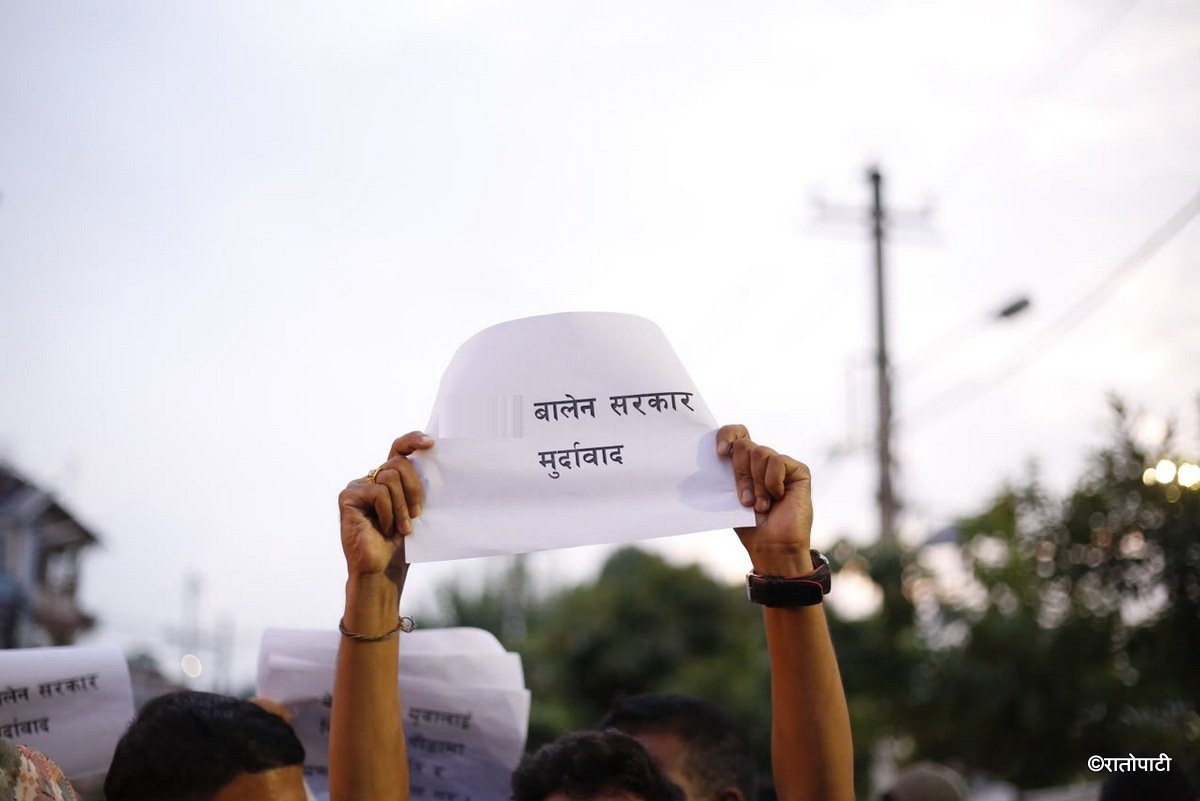
Kathmandu. Legal experts, human rights activists, and civil society members have criticized the government's plan to ban student organizations, labeling it an assault on the constitution, the multi-party system, and democratic practices.
Speaking at an interaction program held in the capital, they argued that the government's move is the first step toward elected autocracy. Stakeholders warned that such a decision, which contradicts the constitutional right to form associations and international human rights treaties, threatens the country's political system.
Senior Advocate Tikaram Bhattarai stated that banning student organizations is a severe blow to the constitution, democratic movements, and parliamentary practice. He urged students to prepare for ideological and organizational resistance against the government's authoritarian tendencies.
He said, 'The constitution clearly grants the right to form student organizations and hold beliefs. No elected Prime Minister has the authority to ban organizations. Activities can only be restricted through legislation in specific circumstances involving national sovereignty and integrity. However, dissolving organizations based on verbal orders or decrees is unconstitutional.'
He also demanded that the government identify those responsible for the destruction of Singha Durbar, the President's Office, and the Supreme Court.
Senior Advocate Ekraj Bhandari warned that the government's plan would be counterproductive. Reminding the government that it rose to power on the strength of student movements, he urged it not to act like the proverb 'forgetting the stick after crossing the river.' He emphasized that the right to form associations is a fundamental individual and human right.
He said, 'It is foolish to ban student organizations to stop university irregularities. Instead, amend the law to make the appointment process transparent and ensure good governance. The government's talk of good governance must be reflected in practice.'
AI expert Doman Rai expressed concern over the rise of 'elected dictatorship,' noting it is more dangerous than unelected autocracy. He warned that the government is centralizing power by placing defense, home affairs, and IT under the Prime Minister's direct control.
He said, 'We are heading not just toward dictatorship, but fascism. It is a dangerous phenomenon when citizens themselves become offended and confront others for criticizing the government.'
Former Nepal Bar Association President Sher Bahadur KC warned that the move would push the country back toward autocracy. He recalled that even during the difficult Panchayat era, student organizations held legal recognition.
He said, 'We have signed treaties including those on civil and political rights. The state cannot retreat from the rights to party freedom, freedom of expression, and peaceful assembly. Even when parties were banned in 2027 BS, the Supreme Court allowed student organizations to exist.'
Dekendra Subedi, President of the Socialist Professional Lawyers Association (SPLA), urged the youth to remain vigilant, noting that banning student unions risks losing the achievements of democratic movements.
Padam Rokka, President of the Nepal Lawyers Association (NLA), stated that the ban contradicts the constitutional right to a dignified life. He emphasized that the sacrifices made since 2007 BS should not be ignored.
Education movement leader Gunraj Lohani described the government's move as an exercise in fascism. He called on youth to start a new movement against 'algorithmic psychology' used to control public thought.
He said, 'The history of student organizations in Nepal is the history of political movements. They were decisive against the Ranas, the Panchayat, and Gyanendra Shah. Trying to legally bind them now is a rehearsal for fascism.'
Most speakers at the program opposed the government's plan to ban student organizations.
This specific news has been automatically translated by AI. As a result, there may be some inaccuracies or language errors.

_6VvAW1hEx9.jpg)