Nepal Construction Industry Council Demands 'State of Emergency' Amid Soaring Material Costs


Kathmandu. The Nepal Construction Industry Council has demanded the declaration of a 'state of emergency' in the construction sector, citing that the industry is on the verge of collapse due to unexpected and excessive price hikes in construction materials.
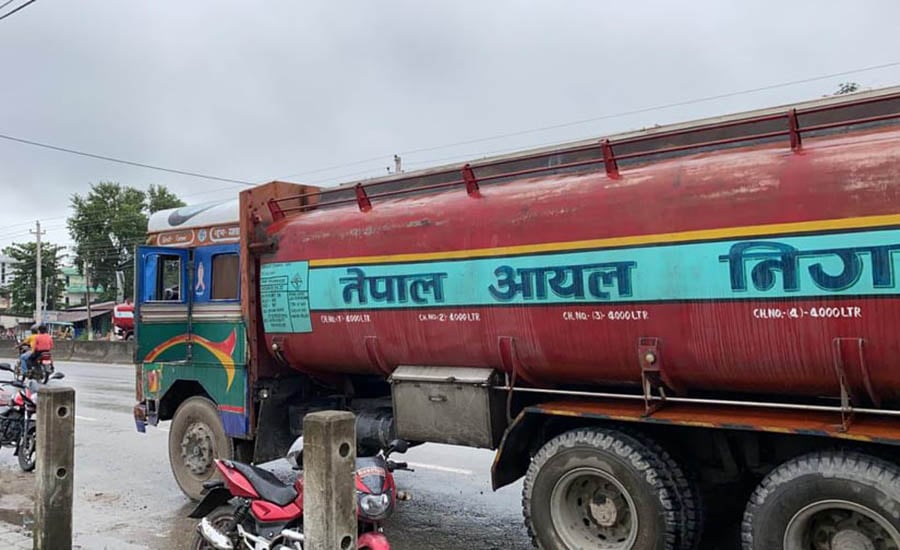
In a press release, the Council stated that the recurring price increases in fuel—including diesel, petrol, and kerosene—due to the ongoing war in the Middle East have brought the construction industry to a standstill. The statement noted that contractors are suffering not only from fuel costs but also from the continuous price hikes and market shortages of essential materials like bitumen, cement, and steel rods.
The release stated, 'The excessive rise in fuel and construction material prices, coupled with market shortages, has pushed the construction industry to a halt. Furthermore, issues surrounding crusher industries in various parts of the country have further exacerbated the crisis.'
Additionally, contractors have expressed strong objections to the significant discrepancy between the Nepal Rastra Bank's price index and actual market prices. The Council claims that because the central bank's index often shows a decrease in prices despite market surges, contract price adjustments remain impossible. Consequently, contractors are facing a massive financial burden during a time when construction work should be accelerating.
To resolve these issues, the Council has drawn the attention of the Government of Nepal and relevant authorities, putting forward the following demands:
1. Immediately declare a 'state of emergency' in the construction industry and provide urgent relief to contractors.
2. Since the current legal framework fails to facilitate price adjustments, issue a 'Price Adjustment Guideline-2' immediately.
3. Implement price adjustment provisions for all contract periods to address the grievances of contractors at all levels suffering from inflation.

This specific news has been automatically translated by AI. As a result, there may be some inaccuracies or language errors.
_shBQSnE9IK.jpg)
_fkg5u05PqN.jpg)
_TCGzv8ozFM.jpg)