Bangladesh to Implement Hybrid Learning Model to Combat Energy Crisis


Kathmandu. To address the energy crisis triggered by the conflict in West Asia, Bangladesh is set to introduce a hybrid learning system starting next week, featuring three days of virtual classes and three days of in-person attendance.
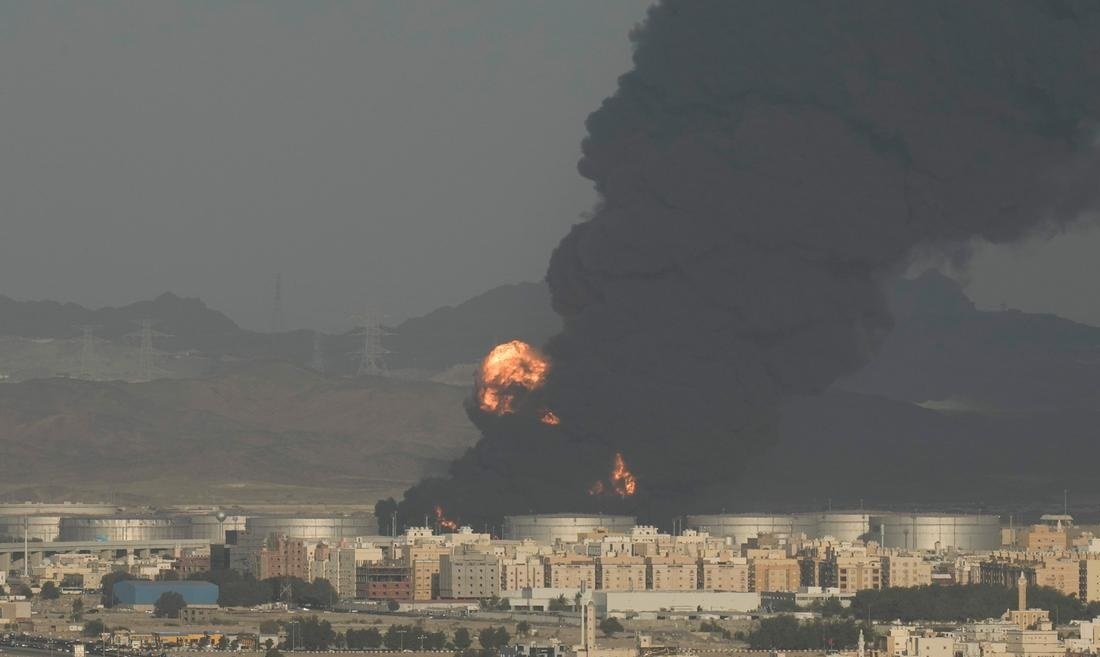
The South Asian nation of approximately 170 million people imports 95 percent of its oil and gas requirements, mostly from the Middle East. Supply chains have been disrupted following weeks of conflict in West Asia.
Education Minister ANM Ehsanul Haque Milon stated, "Converting 50 percent of school classes to online learning per week will help save energy." He noted that institutions had previously practiced online and virtual teaching methods during the COVID-19 pandemic, and this capacity remains available.
"According to the proposed schedule, classes will be held physically on Saturday, Monday, and Wednesday, and virtually on Sunday, Tuesday, and Thursday," Minister Milon told reporters in Dhaka on Thursday.
"This is a hybrid learning system," Milon added. "This system will only be implemented in schools with prestigious and sufficient student populations, specifically those where students typically commute by vehicle."
He also mentioned that the government has exempted electric buses from taxes for schools. The government has already adopted several measures to curb fuel consumption, including setting limits on fuel purchases and ordering government employees to turn off air conditioning in offices to save electricity.
"The prolonged conflict in West Asia could have a significant impact on Bangladesh, including high inflation, shrinking fiscal space due to rising energy subsidies, high import costs, weak exports, and a weakening current account due to lower remittances," the World Bank warned on Wednesday.
This specific news has been automatically translated by AI. As a result, there may be some inaccuracies or language errors.