Bagmati Provincial Assembly Members Express Frustration Over Lack of Authority and Governance Failures


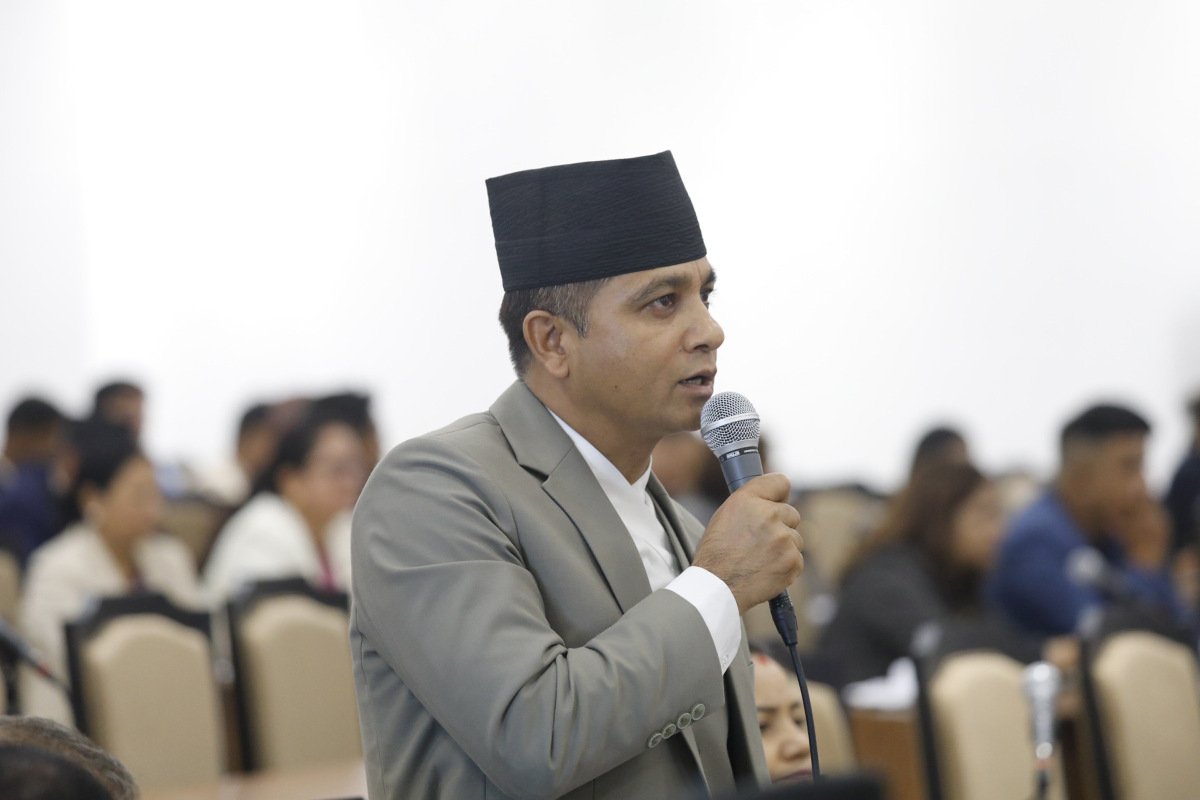
Hetauda. Members of the Bagmati Provincial Assembly have expressed strong dissatisfaction, claiming they have been denied their constitutionally mandated rights. During Thursday's assembly meeting, they voiced serious grievances regarding the federal government's working style and the sluggish pace of federalism implementation.
Speaking during the special session, lawmakers criticized the central government for its reluctance to devolve power, its involvement in retaliatory politics, and its failure to meet public expectations.
They concluded that the primary reason the province has failed to demonstrate its full potential years after the advent of federalism is the interventionist mindset of the center. Accusing the federal government of trying to limit the province to a mere administrative unit, they pointed out that the time has come to struggle both on the streets and in the parliament to secure their rights.
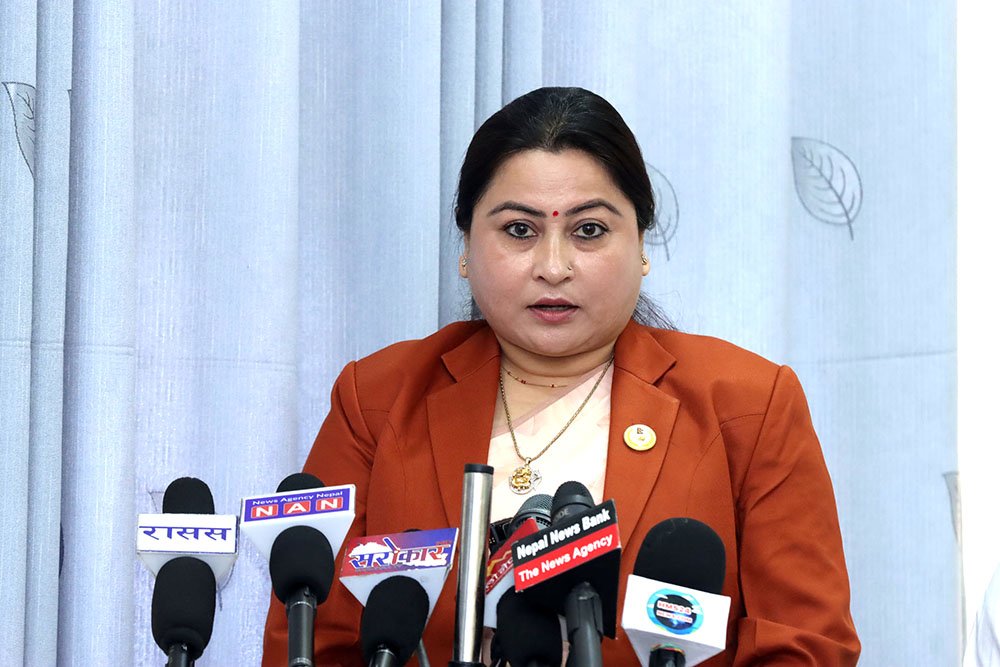
Speaking at the meeting, NCP lawmaker Sushpa Bhujel Neupane accused the federal government of talking more than acting. Expressing concern over the eroding public trust in federalism and the provincial government, she argued that federalism will not be justified until the center clears the path for provincial authority.
She stated, 'This is not the time for talk, but for results. Nearly nine years have passed since the formation of the provincial government, yet it has failed to fulfill its role. Federalism and the provincial government are now facing a mountain of questions. The public has received zero results in exchange for their hope.'
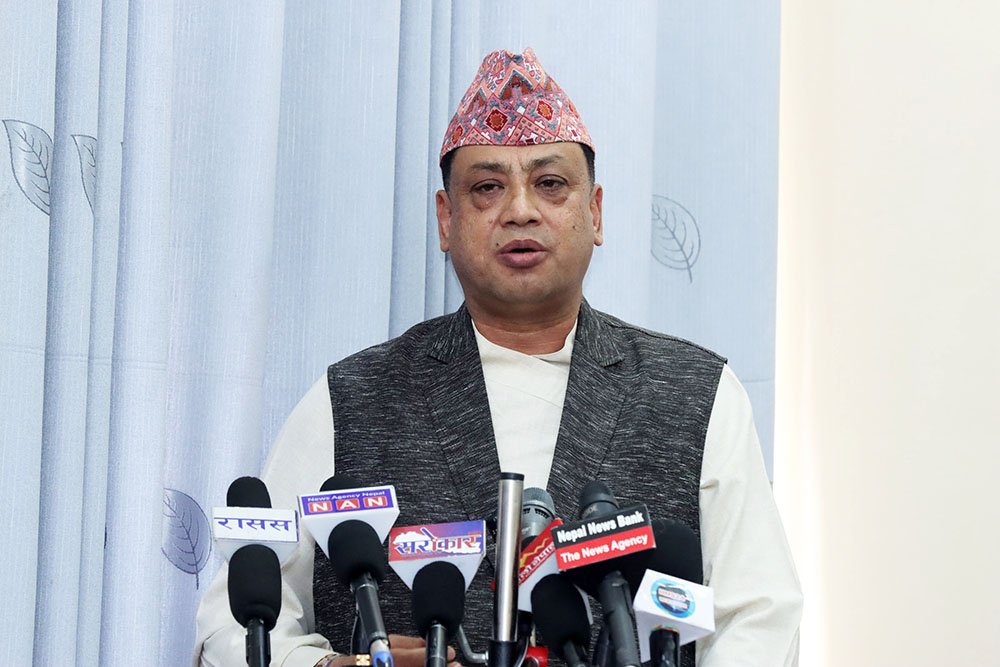
UML lawmaker Krishna Prasad Silwal stated that the government is operating out of a spirit of vengeance. He claimed that the current government is intent on arresting top leadership through the events of Bhadra 23 and 24 and subsequent political crackdowns.
'This government is moving forward with a spirit of vengeance,' he said. 'The act of arresting leaders based on political prejudice makes a mockery of the rule of law. Such a working style will lead the country toward instability.'
Lawmaker Hari Prasad Sapkota described the behavior of the federal government as a 'circus.' He expressed dissatisfaction, stating that instead of empowering the province, the center is trying to keep it under control. Congress lawmaker Yamuna Devi Shrestha accused the federal government of not being serious about national sovereignty and border issues. She clarified that development work has stalled because the province is unable to exercise the exclusive rights granted by the constitution. Claiming that the center still maintains a tight grip on the police administration and civil service, she demanded the transfer of power in accordance with the spirit of federalism.
'Our borders have been encroached upon. The issues of Lipulekh and Kalapani remain as they were,' she said. 'But the federal government has shown no interest in studying these serious issues or including them in school curricula. Saving the nation should be our core mantra. But the central government is only busy with games of power and politics.'
Ruling party lawmakers criticize the government
Lawmakers from the ruling party also criticized the government during the meeting. The provincial government is led by Chief Minister Indra Bahadur Baniya of the Congress party. Lawmakers stated that the government under his leadership has failed to deliver development to the citizens.
The lawmakers also reviewed the performance of the provincial government, drawing attention to the weak state of budget implementation, abandoned projects, and bureaucratic delays. Congress lawmaker Ramesh Kumar Mahat said that the returns on investments made by the provincial government over the past eight years must be examined. He questioned why major projects initiated by the government have not come into operation.
'Why haven't the milk powder factories, slaughterhouses, and cold storage facilities we built come into operation?' he asked. 'Investments worth crores have been like water on sand. This is a major challenge for the provincial government.' He added, 'The production cost of potatoes for farmers is 15-16 rupees per kilogram. But they are forced to sell at a lower price. How will farmers survive in such a situation? The government must guarantee production and markets.'
Congress lawmaker Shanta Dhakal drew the government's attention to the disappointing state of budget expenditure. She remarked that it is shameful that capital expenditure is only 20-22 percent even after 8 months have passed. Stating that the current government has proven unsuccessful in delivery, she clarified that it has failed to make the public feel the impact of development.
NCP lawmaker Prem Bahadur Pulami expressed dissatisfaction with budget cuts and the uncertainty of projects, venting anger that ministers have 'slashed' the budget passed by the parliament. 'Ministers have arbitrarily cut the budget passed by the house and reduced it to zero,' he said. 'This is against parliamentary dignity. In particular, projects in the Makwanpur area have been attacked.'
RPP lawmaker Giri Bahadur Tamang said that citizens are being turned into squatters in the name of road expansion in Hetauda. He emphasized that people should not be displaced without alternatives. 'They are trying to turn Hetauda into a ruined city,' he said. 'Demolishing houses without providing proper compensation and alternatives in the name of road expansion is injustice. We have repeatedly talked about an alternative bypass road. But the government does not listen.'
NCP lawmaker Amrita Nepal commented that the training and technical education conducted within the province are not effective. She raised questions about how much employment was created by the training, even though 11 ministries allocated budgets for it. She concluded that not conducting training in an integrated manner only led to the misuse of the budget. She also stated that the government has failed to be serious about the health sector, as district hospitals lack specialist doctors, forcing citizens to go elsewhere even for minor treatments.
This specific news has been automatically translated by AI. As a result, there may be some inaccuracies or language errors.
_8xHho19k4P.jpg)