Supreme Court of Nepal Questions Police Practice of Publicizing Suspects Before Conviction


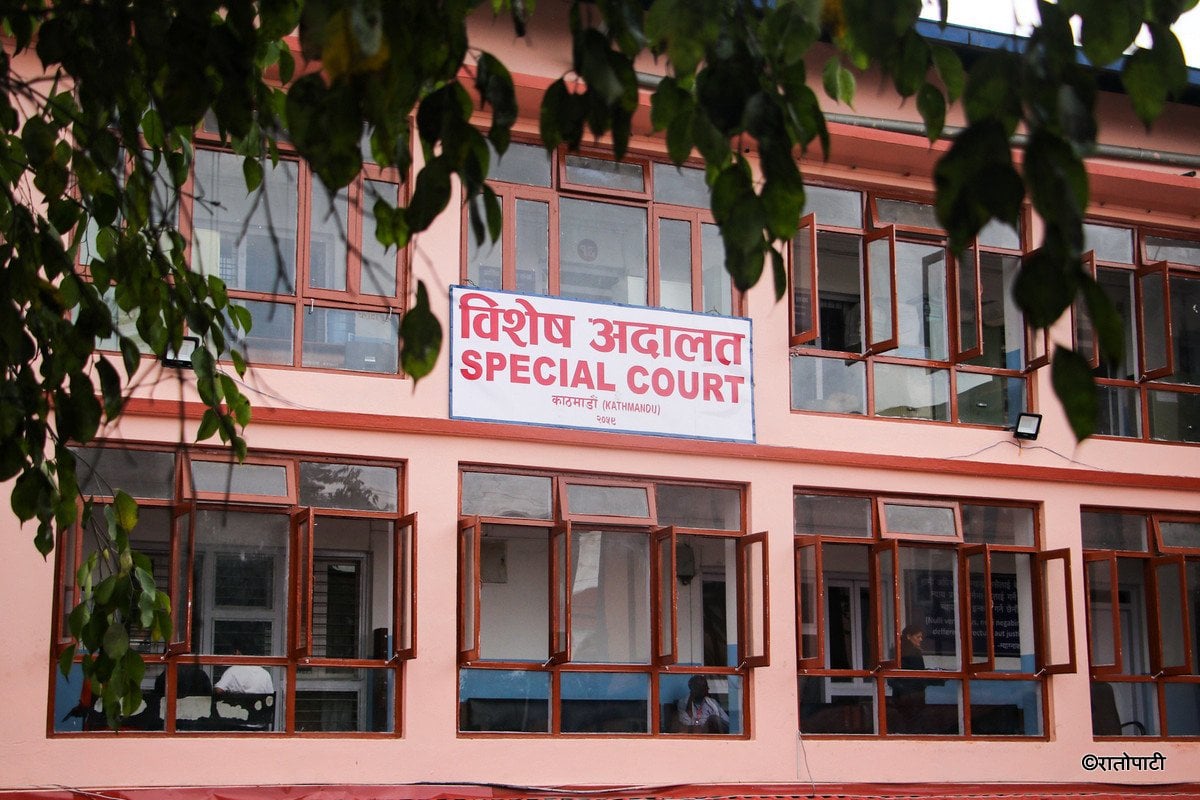
Kathmandu. The Supreme Court has ordered the authorities to provide reasons for the practice of publicly identifying individuals arrested during criminal investigations before they are proven guilty by a court, and for allegedly coercing statements from them.
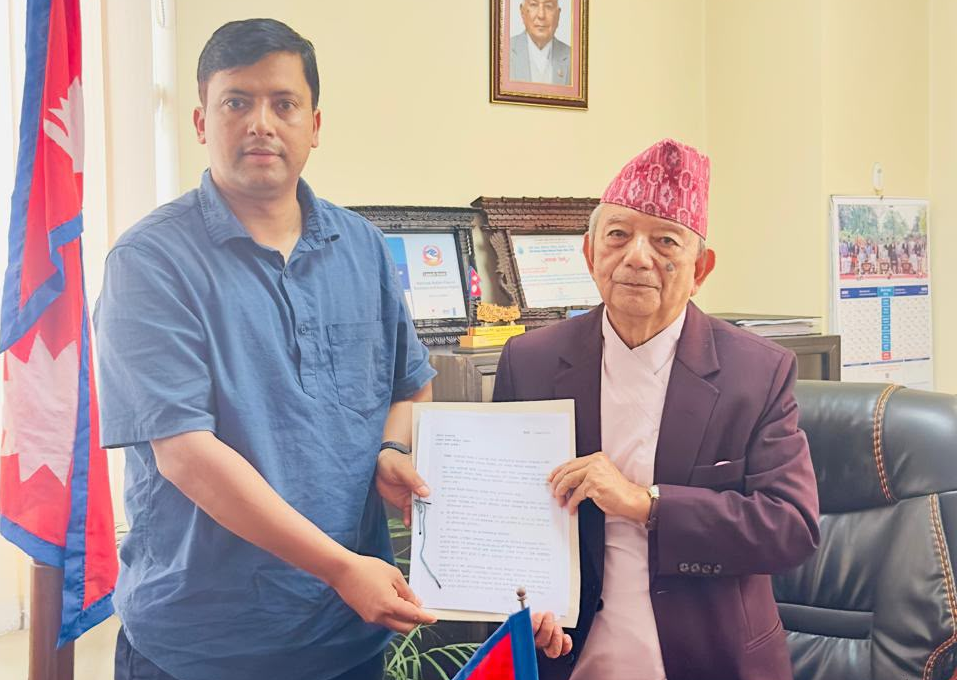
Hearing a writ petition filed by Advocate Kumar Thapaliya, a single bench of Supreme Court Justice Nahakul Subedi on Thursday issued a show-cause notice to the Police Headquarters and other relevant bodies. The court has also ordered that the petition be prioritized for hearing.
The petition claims that serious distortions have entered Nepal's current criminal justice system. The petitioner argues that the police practice of immediately releasing the names, surnames, photos, and videos of suspects, effectively branding them as 'criminals' in society, constitutes a direct violation of constitutional rights.
It is claimed that publicizing suspects immediately upon arrest severely undermines the rights to live with dignity, fair trial, privacy, and protection against torture, as guaranteed by the Constitution. The petition states, "Presenting arrested individuals publicly as criminals causes long-term negative impacts on their social reputation, mental state, and family relationships."
Article 20(5) of the Constitution grants every person the right to be presumed innocent until proven guilty. However, the petition notes that when police hold press conferences during the investigation phase, it leads to a 'media trial,' destroying an individual's social standing before a court verdict. The petition further claims that such actions violate international human rights treaties, specifically the ICCPR and CAT. The petitioner had previously submitted a request to the Ministry of Home Affairs seeking reforms, but received no response.
Through the writ, the petitioner has demanded a mandamus order from the Supreme Court to prohibit the publicizing of suspects until they are proven guilty, to prevent the use of torture during investigations, and to bar the use of coerced statements as evidence.
Advocate Thapaliya mentioned in the petition that he was compelled to approach the court because his previous request to the Ministry of Home Affairs to stop such practices went unheeded, and these critical human rights issues were not included in the government's 100-point agenda.
This specific news has been automatically translated by AI. As a result, there may be some inaccuracies or language errors.


_Vh1wedG2Zd.jpg)