
Nepal's Diplomatic Missions Face Leadership Vacuum as 17 Embassies Operate Without Ambassadors

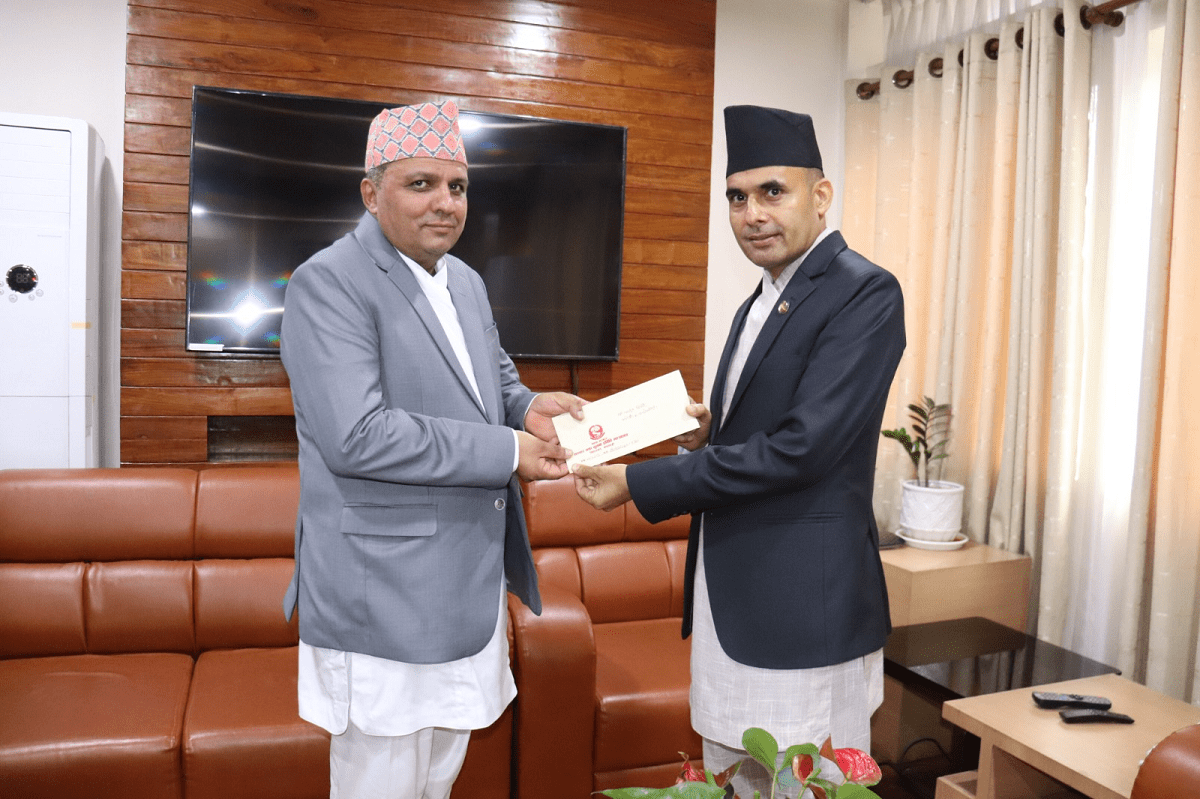
Kathmandu. Nepal maintains embassies in 31 countries worldwide. Currently, 17 of these missions are operating under acting heads due to the failure to appoint new ambassadors. The interim government led by Sushila Karki, formed following the Gen-Z movement, recalled ambassadors from 11 countries. Subsequently, the government led by Balendra Shah, formed after the general elections, recalled six more, leaving 17 Nepali embassies functioning under acting leadership.
Experts argue that the absence of ambassadors is impacting the diplomatic sector. Former ambassador Jayaraj Acharya states, 'Running an embassy under an acting head is not ideal, though it may occur under special circumstances. The government must now immediately appoint plenipotentiary ambassadors to the vacant positions.'
Last Ashoj, the then-government led by Sushila Karki recalled Nepali ambassadors to China, Germany, Malaysia, Israel, Qatar, Russia, Saudi Arabia, Spain, the UK, the US, and Japan.
Acharya notes that while it is common for governments to form their own teams after taking office, leaving positions vacant for extended periods is detrimental. 'In the US, there are sweeping changes when the government changes. Recalling ambassadors and political appointees following a change in government should be viewed as normal,' he says, 'but these positions should not remain vacant for long.'
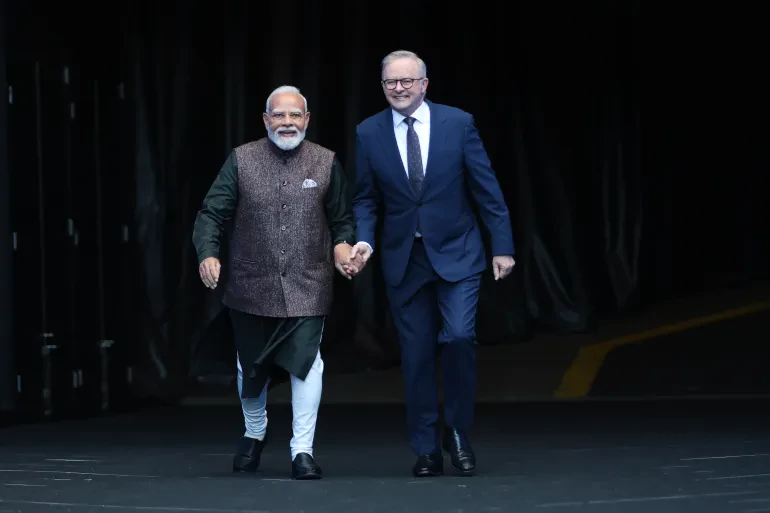
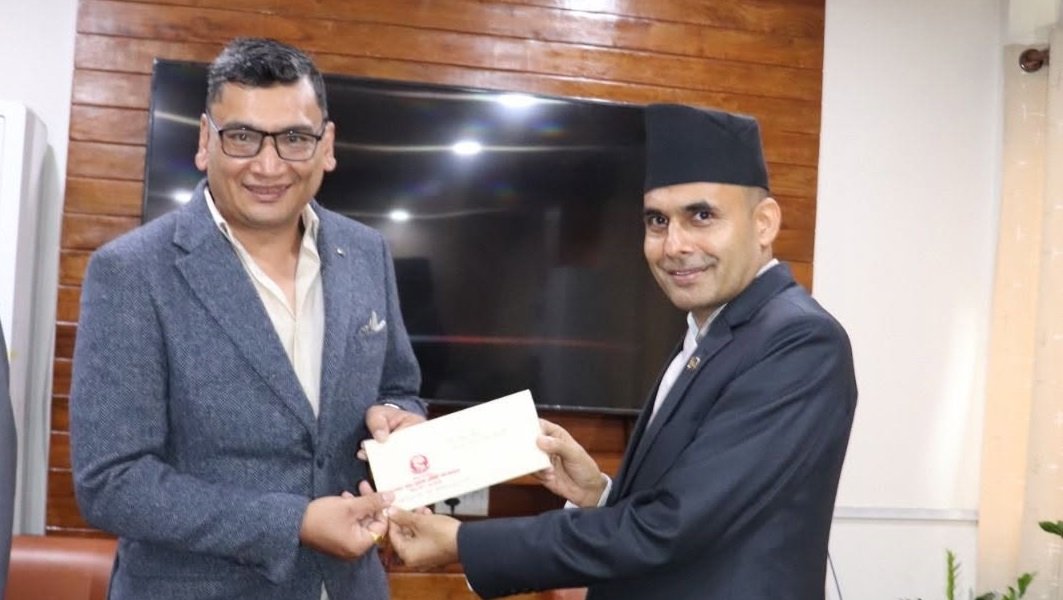
Following the formation of the new government, ambassadors to six countries were recalled on Chaitra 23. The government recalled ambassadors to India, Denmark, South Africa, Australia, South Korea, and Sri Lanka. Those recalled include Dr. Shankar Sharma (India), Sumnima Tuladhar (Denmark), Chitralekha Yadav (Australia), Shiva Maya Tumbahangphe (South Korea), Kapilman Shrestha (South Africa), and Purna Bahadur Nepali (Sri Lanka). The Ministry of Foreign Affairs has already sent letters instructing them to return to Nepal within one month.
Ministry of Foreign Affairs spokesperson Lok Bahadur Chhetri explains that once the government recalls them, the Deputy Chief of Mission (DCM) automatically becomes the acting ambassador. 'The one-month period is provided to allow for necessary preparations,' he says, 'as time is required for farewell programs and logistical arrangements in the host countries.'
Former ambassador Vijayakant Karna warns that relying on acting heads for a long time sends a negative message. 'It is not good to keep acting ambassadors for long; there is a difference in how acting ambassadors and plenipotentiary ambassadors are perceived. They need to attend various programs and meetings, and in such situations, acting ambassadors may not be given the same level of importance,' he says.
Former ambassador Surya Mishra also states that leaving embassy positions vacant for a long time is not advisable. 'It affects the country's diplomatic sector. The previous government was an election government; the current government should immediately appoint ambassadors to the vacant posts,' he says, 'Acting heads often lack the moral authority for high-level meetings.'
Foreign Ministry spokesperson Chhetri says the process of recalling ambassadors is being carried out according to government decisions. 'When to send ambassadors to the vacant posts is a matter for the government, but the work in embassies run by acting heads remains satisfactory,' he says.
This specific news has been automatically translated by AI. As a result, there may be some inaccuracies or language errors.
_aADS5ULwOP.jpg)