
Bagmati Province Faces Severe Timber Shortage Despite Abundant Forest Resources


Makwanpur. Bagmati Province covers 1,090,880 hectares of forest area. While this data highlights the immense potential for forest products, a severe shortage of timber persists due to policy and procedural complexities.
Due to the timber shortage, consumers are forced to use expensive imported materials, leading to the outflow of millions of rupees annually.
It is estimated that 60 to 70 percent of the total forest area in Bagmati Province is productive. Out of 4,510 community forests in the province, about 1,000 groups are actively engaged in forest management.
However, the inability to renew the work plans of 1,800 community forests has hindered forest management. According to the Ministry of Forests and Environment, in the fiscal year 2081/082, Bagmati Province produced 4,051,623 cubic feet of timber and collected 424.7 million rupees in revenue. Despite this, a large quantity of timber remains stockpiled at collection sites.


Pan Bahadur Lama, a member of the Piple Pokhara Community Forest Users Group, built his house just last year. He stated that after submitting an application for timber, the committee provided 45 cubic feet of timber in three grades at a rate of 1,500 to 2,000 rupees.
He mentioned that the forest committee only provides timber to official members for the purpose of house construction. He noted that outsiders or non-members have no way of obtaining timber from the committee.
According to Lama, due to the difficulty in obtaining sufficient timber, it is distributed through a quota system. He explained that the committee provides timber to applicants based on production and charges a fee according to the quota.
Lama clarified that sufficient timber is not available due to the low production capacity of the forest. He explained that after submitting a formal application stating the purpose, the committee inspects the need before the applicant pays the fee.
‘The committee currently provides a maximum of 50 cubic feet of timber, which is just enough for the windows and doors of a small house,’ Lama said. ‘It is not enough for those trying to build a large house. A quota system has been implemented in the distribution. Consumers who have taken timber once cannot apply again for two years.’
- Scene of timber production and revenue collection
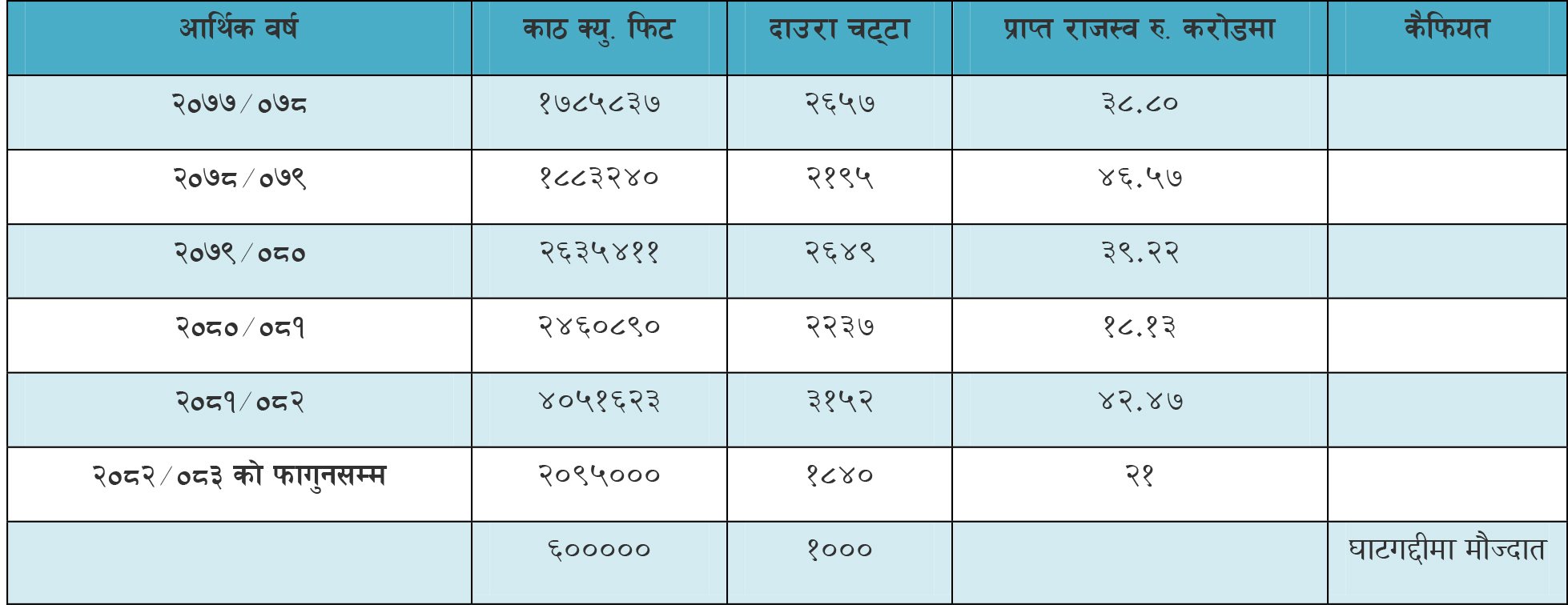
(Source: Ministry of Forests and Environment, Bagmati Province.)
- Why is the consumption of domestic timber decreasing?
Data shows that despite the demand for timber in the market, its consumption has declined for various reasons. Aluminum, PVC, steel, and particle boards are replacing wood as they are cheaper and easily available.
According to Yagyanath Dahal, former secretary of the Ministry of Forests and Environment of Bagmati Province, timber is not being produced in sufficient quantities. He stated that the lack of a clear work plan for consumption is also causing problems.
Dahal informed that currently, timber is being supplied to Bagmati Province from other locations. According to him, timber is being imported into Bagmati Province primarily from the Terai region, with some amounts imported from abroad. He stated that the increased use of timber and wood-based products, alternative materials, aluminum, PVC, and processed wood from countries like India and Malaysia is causing problems for the consumption of domestic timber.
Dahal clarified that the price of domestic timber is continuously rising. As a result, consumers are attracted to modern construction styles, and strict policies and cumbersome permit processes designed to prevent illegal logging have made it difficult to ensure a smooth supply of timber in the market.
_utJUE1vVWq.jpg)
According to former secretary Dahal, the following are the problems in timber consumption–
1. Use of alternative materials
The use of materials such as aluminum, PVC, steel, and processed wood is increasing. Being cheaper, durable, and easily available, these items are replacing wood.
2. Increase in timber prices
The price of timber is continuously rising. Due to high costs, consumers are choosing alternative materials.
3. Strict forest policy and control
Control over illegal logging is strict, and there are complexities in the logging permit process. As the availability of timber in the market decreases, consumption also decreases.
4. Environmental awareness
Awareness of forest conservation and environmental protection has increased. Behavior has changed in an effort to avoid excessive use of wood.
5. Changes in construction style
Modern buildings increasingly use RCC, iron, steel, and glass. The construction of traditional wood-based structures is declining.
6. Imported readymade materials
The use of ready-made furniture has increased. Processed products like particle board and plywood have provided alternatives to wood.
Dahal stated that despite having sufficient forest areas in Nepal, local consumers are unable to easily utilize community forest timber due to policy and procedural hassles. According to him, it is difficult to consume timber due to policy and procedural problems. He believes that unless forests are linked to enterprise and the economy, the true purpose of community forests will not be fulfilled, and for this, a radical change in the overall Act and Regulations is necessary.
- Main problems and challenges seen in timber consumption
1. Discriminatory situation:
While millions of cubic feet of timber produced by the private sector are being exported, timber from community forests is left to rot in the forest.
2. Decline in quality:
There is a long gap of 5 to 7 months between the logging and auction process, which leads to a loss of smoothness and weight in the timber, causing sales problems.
_EhRDaXaLa5.jpg)
3. Policy and procedural errors:
a) Traditional work plans:
Community forest work plans are still traditional in style, which does not prioritize the easy production and sale of timber.
b) Cumbersome process:
There is a compulsion to complete group meetings, work plan revisions, and long auction processes every time for timber logging and sales.
c) High revenue rate:
The revenue rate for forest products (up to Rs. 200 per cubic foot) is extremely expensive, which makes local timber expensive and imported materials cheaper.
d) Lack of private sector:
There is a lack of a clear policy to involve the private sector in the process from forest production to sales.
- Steps to be taken for improvement:
1. Partnership with the private sector:
The private sector should be involved in forest management through a 10-year tender process to organize the production and distribution system.
2. Facilitation-oriented bureaucracy:
The role of forest employees should be focused on facilitating and regulating rather than ‘controlling’.
3. Modern work plan:
Scientific and modern work plans should be implemented by linking forests to economic aspects rather than just conservation.
4. Simplification of process:
The auction and sales process should be shortened and made efficient to create an environment where timber reaches consumers before its quality is destroyed.
- Impractical forest policy is causing timber to rot: Chaulagain
Ramhari Chaulagain, a central member of the Federation of Community Forest Users Nepal, stated that due to the state's cumbersome and impractical forest policy, timber within community forests is rotting in the forest itself. Central member Chaulagain said that due to policy errors in the Forest Act and Regulations, fallen, dried, and old trees in the forest cannot be utilized.
According to Chaulagain, the lack of coordination between federal and provincial forest acts has created even more problems. He stated that community forest groups are caught in the middle because the federal act says one thing and the province interprets it differently.
He emphasized that instead of forest destruction, scientific management of the forest should be done, and he clarified that they should move forward with a long-term vision of up to 80 years by creating a 10-year work plan.
Chaulagain said that the timber rate and tax system set by the state are not people-friendly. He stated that because there is no participation of community forest representatives in the supply committee, the bureaucracy makes unilateral decisions, which causes hardship to consumers.
_PYMEQ4EF7E.jpg)
Chaulagain said that the provincial government has also imposed taxes on the sale of forest products in an impractical manner. He said that even when taking ordinary grass, firewood, and leaf litter, they ask for a tax payment receipt, and the Division Forest Office causes unnecessary trouble.
‘There is timber in the forest, but consumers are not getting it. Rotten, fallen, and dead old trees are turning into soil. However, the state does not make a policy to allow the extraction of such timber,’ he said. ‘Today, wood has become more expensive than aluminum and uPVC. Even though there is timber in the forest, due to the state's rate, it costs 30 to 35 thousand to make a single door.’
- Efforts are being made for policy reform for timber consumption: Secretary Baral
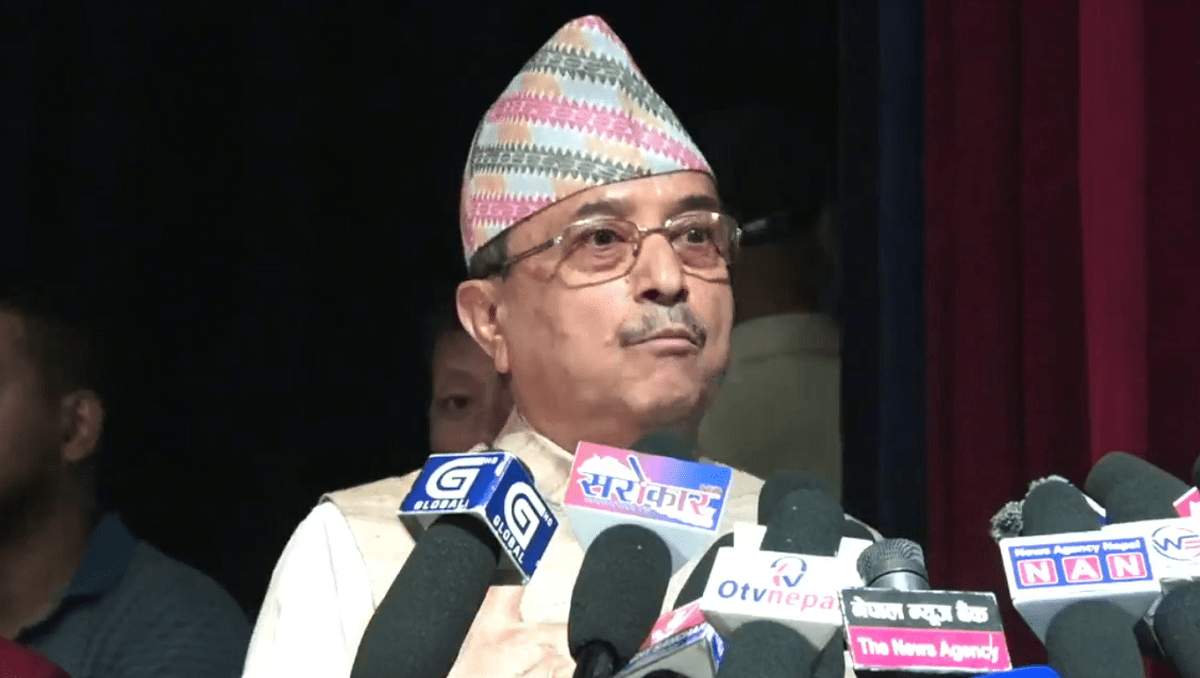
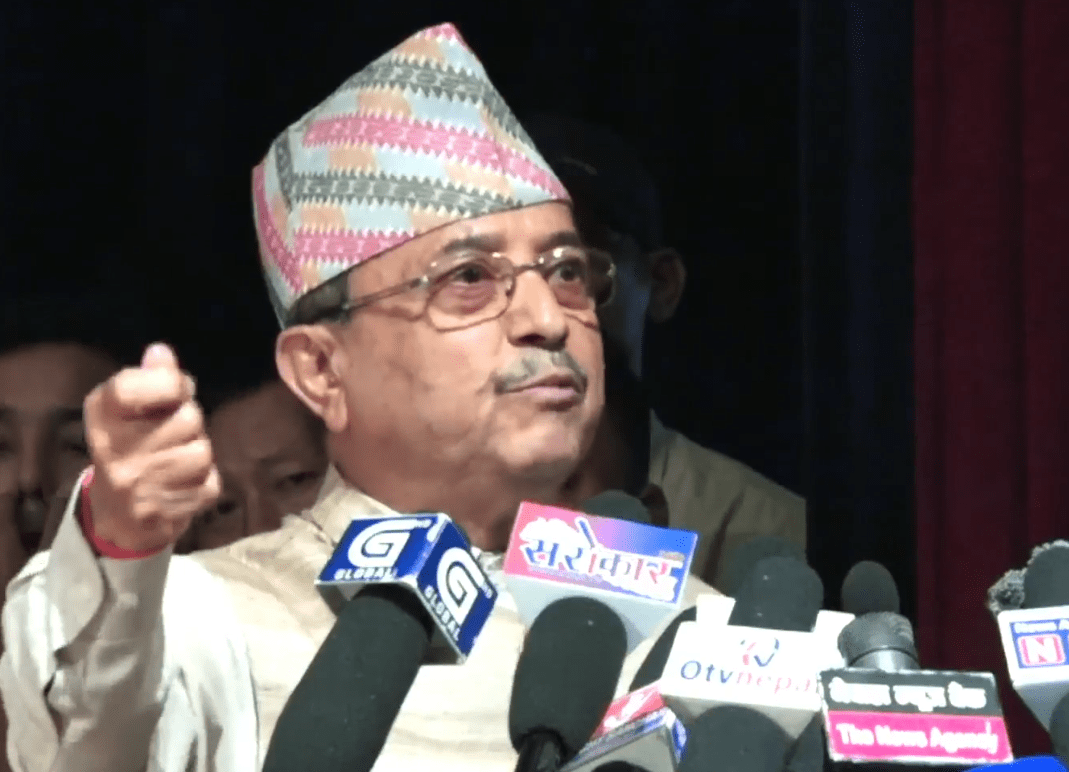
Kedar Baral, Secretary of the Ministry of Forests and Environment of Bagmati Province, said that the provincial government has moved forward with policy reform work for the easy consumption and sale of timber in community forests. He said that the ‘devaluation’ process has been changed to address the problem of consumers not getting timber despite its availability in the forest and the inability to auction it.
According to Secretary Baral, in the past, there was a cumbersome arrangement of waiting for a long time to reduce the revenue rate of timber that was not auctioned. He said that due to this policy, timber that had been stockpiled for a long time has moved forward in the auction process.
Secretary Baral clarified that some problems in forest policy arose because they conflicted with the federal act. He stated that there was some delay in reform due to the constitutional provision that the province cannot make laws that conflict with the federal act and that the provincial law becomes inactive in case of conflict. However, he said that the recent federal forest regulations have untied some knots, and the province has also initiated the process of amending its acts and regulations.
‘Previously, there was a provision to wait 7 years to reduce the revenue of Sal timber, which caused the problem of timber rotting without being auctioned,’ he said. ‘Now that period has been reduced to 5 years. By setting a period of 5 years for Asna and Karma and 3 years for other inferior wood, an environment has been created for the timely auction of timber.’
Secretary Baral said that a new policy has been introduced to solve the problems seen in the transportation of timber used by consumers when building houses. He informed that there is a legal provision that timber from community forests is considered commercial when taken outside that area.
He stated that for the convenience of consumers, they have made policy arrangements to allow the transportation of old wood already used in houses from one place to another.
Secretary Baral is confident that Bagmati Province is preparing to amend the Forest Act, which will encourage consumers to use their own forest timber and reduce dependence on imported materials like uPVC.
This specific news has been automatically translated by AI. As a result, there may be some inaccuracies or language errors.

_ke6hmvuewe_XLPTtgxmKE.jpg)