Sri Lanka Announces $320 Million Relief Package to Combat Rising Energy Costs


Kathmandu. The Sri Lankan government announced a $320 million relief package on Tuesday to assist families affected by rising energy costs due to the ongoing war in West Asia. Under this initiative, direct cash grants will be provided to farmers, fishermen, and low-income citizens.
President Anura Kumara Dissanayake stated that this package is the largest state subsidy to date and will support the most vulnerable segments of the island nation's population of approximately 22 million.
He said, “About 25 percent of the population living below the poverty line will receive additional grants on the occasion of the traditional Sinhala and Tamil New Year this month, and relief will also be provided on their electricity bills.”
The government will provide financial assistance totaling 100 billion rupees ($320 million) over three months, with funding managed through the existing budget. According to President Dissanayake, the government is cautious, as funding the grants by printing money risks a recurrence of the 70 percent record inflation seen in 2022.
Sri Lanka remains under an IMF bailout program initiated in 2023, which provided $2.9 billion in loans over four years. Another tranche of approximately $700 million is expected from the IMF by the end of next month following the conclusion of a staff-level agreement in Washington this week.
Under the relief package, small-boat fishermen will receive a fuel subsidy of about $300 per month, while those operating larger boats will receive about $483 per month for three months. The government will cover approximately 30 percent of the cost of urea fertilizer for farmers, and the state will also absorb a portion of electricity production costs amounting to 15 billion rupees ($48 million).
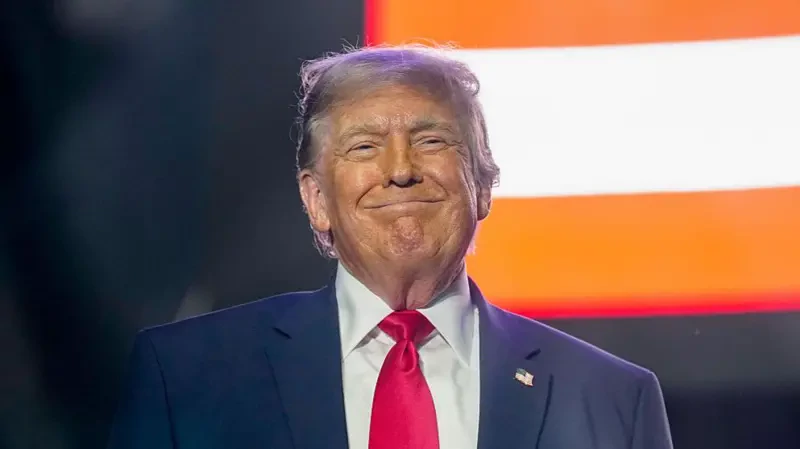
The government is negotiating with Russia to ensure supply continuity and resume imports of gas, coal, fuel, and fertilizer affected by US sanctions. Dissanayake said, “We have until April 11 to secure supplies from Russia after US President Donald Trump temporarily lifted sanctions.”
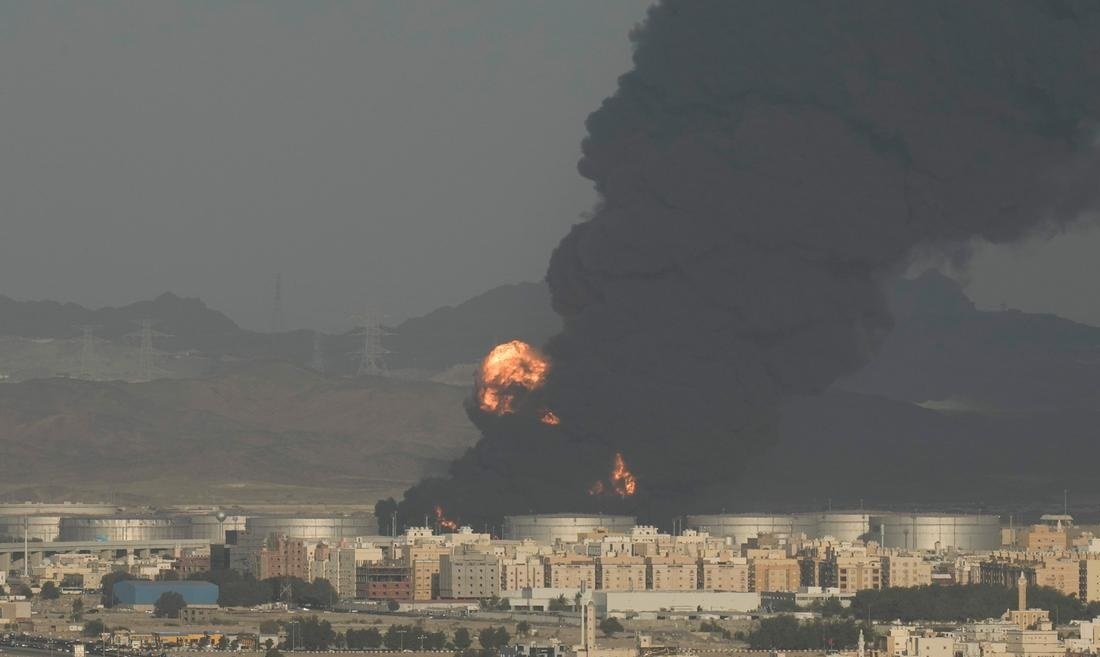
Since the US-Israel attack on Iran began on February 28, Sri Lanka has increased fuel prices by about one-third, while electricity tariffs have risen by up to 40 percent. The four-day work week introduced last month will end this week, as officials stated that the Wednesday holiday did not achieve the expected energy savings.
Sri Lanka imports all of its coal, gas, and petroleum requirements in South Asia and is heavily dependent on Middle Eastern oil.
This specific news has been automatically translated by AI. As a result, there may be some inaccuracies or language errors.