Lawmakers Pledge Business-Friendly Reforms to Boost Nepal's Economy


Kathmandu. Emphasizing the indispensable role of the private sector in the country's economic prosperity, lawmakers have pledged to create a business-friendly environment, from legislation to implementation. Speaking at the 'Parliamentarian-Private Sector Dialogue' held in the capital, they stated that the state should focus on promotion rather than just regulation.
Ganesh Parajuli, a lawmaker from the Rastriya Swatantra Party (RSP), informed that parliamentary committees would be formed within the next three weeks and that private sector issues would be given top priority in those committees. Emphasizing that policies should be promotional rather than merely regulatory, he clarified that private sector issues would be raised in a way that aligns with the overall public interest.
He stated that work would be done to advance the industrial sector when amending laws and setting tax rates. He claimed that once the committees are formed, problems in the private sector, whether in education, industry, or services, would be resolved with priority.
Another RSP lawmaker, Sushil Khadka, claimed that Nepal's economy could reach a size of $100 billion in the next 5 years. He argued that while some mocked this goal in the RSP manifesto, it is achievable.
He stated that if an average economic growth rate of 7 percent and a per capita income of $3,000 can be achieved, Nepal will reach the level of a middle-income nation. Pointing out the reality that in an open economy, the private sector creates more jobs than the government, Khadka pledged to continuously advocate in parliament for the promotion of the private sector.
Similarly, opposition party CPN (UML) lawmaker Guru Baral said that the government should be accountable to industrialists and businessmen and should facilitate them by understanding their grievances. He clarified that they are ready to play a constructive role in favor of businessmen from the opposition side in parliament.
He said that if there is tax evasion, irregularities, or illegal activities, legal processes should be followed accordingly, but arresting businessmen overnight in the name of investigation is wrong. Stating that such a trend does not establish the rule of law, Baral emphasized the need for coordination between the private, cooperative, and government sectors while maintaining policy stability.
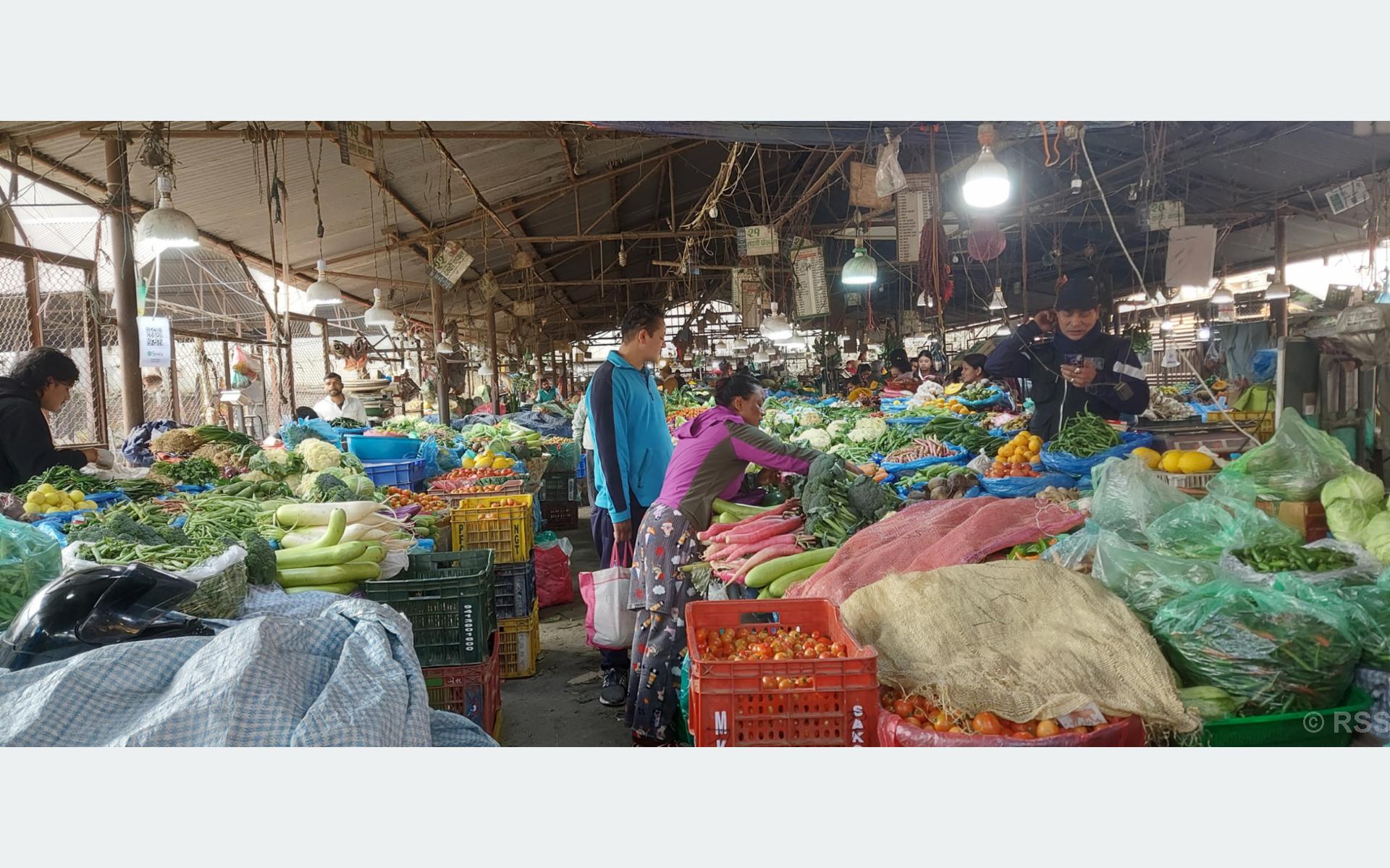
At the program, RSP lawmaker Niti Bhandari (Karki) said that it is necessary to link agriculture and industry together. Complaining that even though the government declared her constituency, Sarlahi-1, as the tomato capital, farmers' produce is rotting due to the lack of processing industries, she called on businessmen to open industries there.
Guaranteeing that there would be no shortage of raw material supply for operating agriculture and hotel industries, she suggested that all businessmen should unite and move forward for their rights and interests.
This specific news has been automatically translated by AI. As a result, there may be some inaccuracies or language errors.