Senior NCP leader Jhalanath Khanal analyzes party's poor performance in House of Representatives elections

_pme8ZWMehC.jpg)
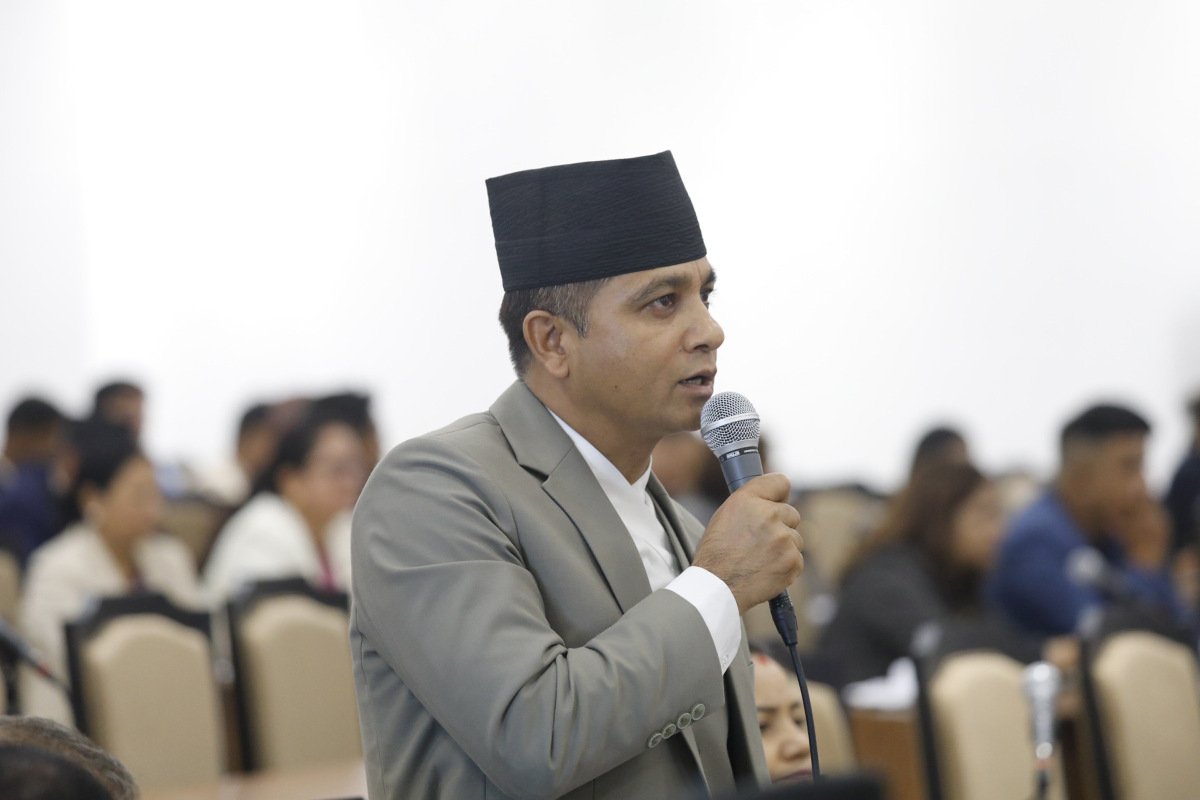
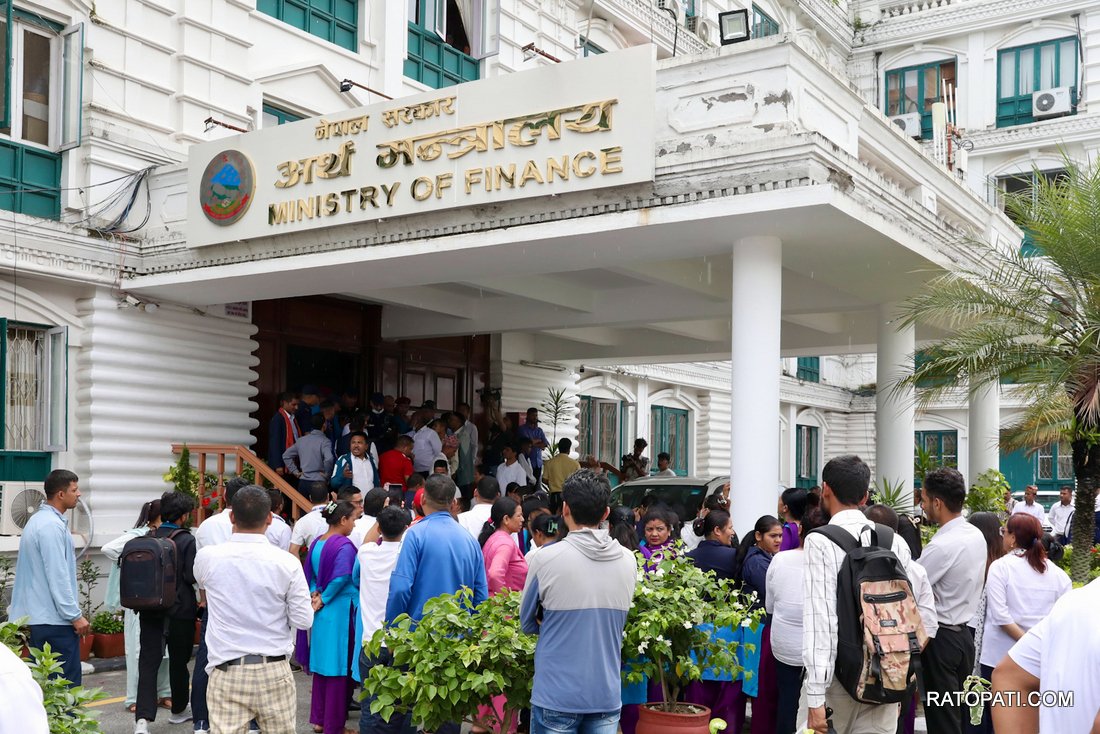
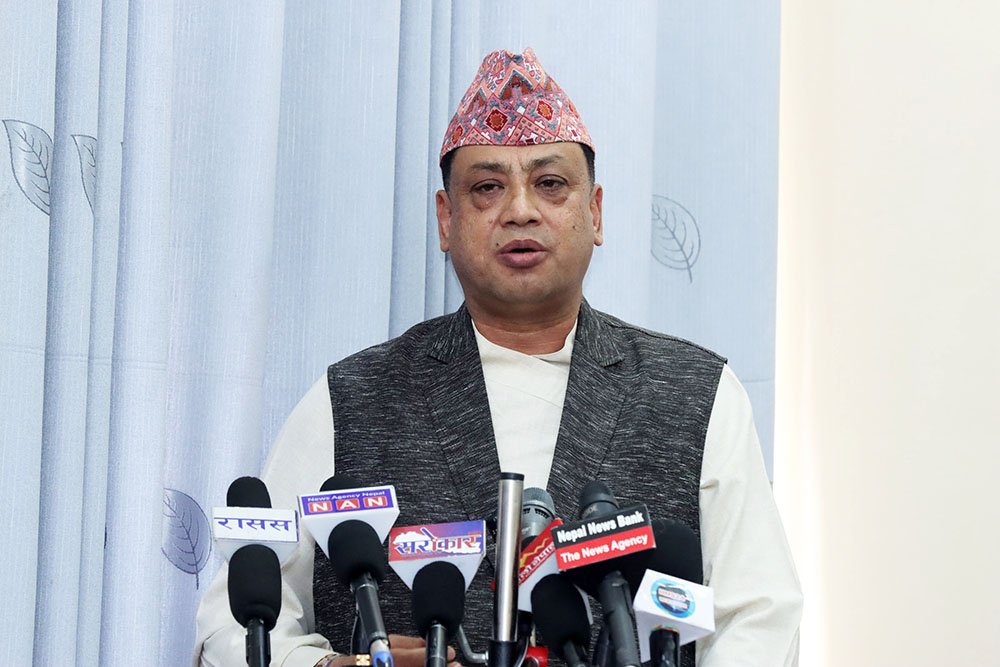
Kathmandu. Former Prime Minister and senior leader of the Nepal Communist Party, Jhalanath Khanal, has analyzed the reasons behind the party's failure to achieve excellent results in the House of Representatives elections held in Falgun. During the coordination committee meeting held at the central office in Parisdanda on Monday, he submitted a written report detailing the immediate causes following the party unification.
He argued that while the NCP was announced, it could not be given an organizational structure, commitments made to unification partners were not implemented, and the four fundamental principles proposed for unity—Marxism-Leninism as the guiding principle, the era of socialist revolution and transformation, scientific socialism with Nepali characteristics, and the revolutionary line to achieve them—were correct, but no implementation strategy was defined. He further claimed that while 20-25 groups were brought into the fold, no effort was made to organize them based on a correct working policy.
Khanal pointed out the weaknesses in bullet points. He raised issues such as the failure to form a core leadership team, the delay in launching an integrated campaign, the need for unification instead of mere message assemblies, the failure to utilize the three-month period after unification, the lack of consensus on issuing circulars and appeals, the absence of a committee system, the failure to unify and mobilize mass organizations, the lack of clarity regarding the target of the election campaign, the failure to mobilize youth, and the absence of an effective mechanism to conduct the election campaign.
This specific news has been automatically translated by AI. As a result, there may be some inaccuracies or language errors.

_8xHho19k4P.jpg)