Sri Lanka Hikes LPG Prices Amid Escalating West Asia Conflict


Kathmandu. Facing the direct impact of the ongoing conflict in West Asia, Sri Lanka increased the price of domestic Liquefied Petroleum Gas (LPG) by nearly a quarter on Monday. This move adds further pressure on a nation currently striving for economic recovery.
The government attributed the price hike to rising costs in the global market. Sri Lanka remains entirely dependent on gas and oil imports, while also relying on external sources for coal to generate electricity. Against this backdrop, concerns are mounting that the prolonged war in the Middle East could weaken the country's economy once again.
Monday's price adjustment follows an eight percent increase implemented last month, signaling a trend of rising energy costs. A private company, which holds about a quarter of the domestic LPG market, raised its retail price by 23 percent, from 4,630 rupees (Sri Lankan currency) to 5,700 rupees.
Similarly, the state-owned major supplier, Litro Gas, has set the price of a 12.5-kilogram cylinder at 4,765 rupees, up from 3,990 rupees. This represents a 19.42 percent increase. A company spokesperson confirmed that there is sufficient supply for the month of April, noting that the primary reasons for the adjustment are the rise in international LPG prices and increased shipping costs.
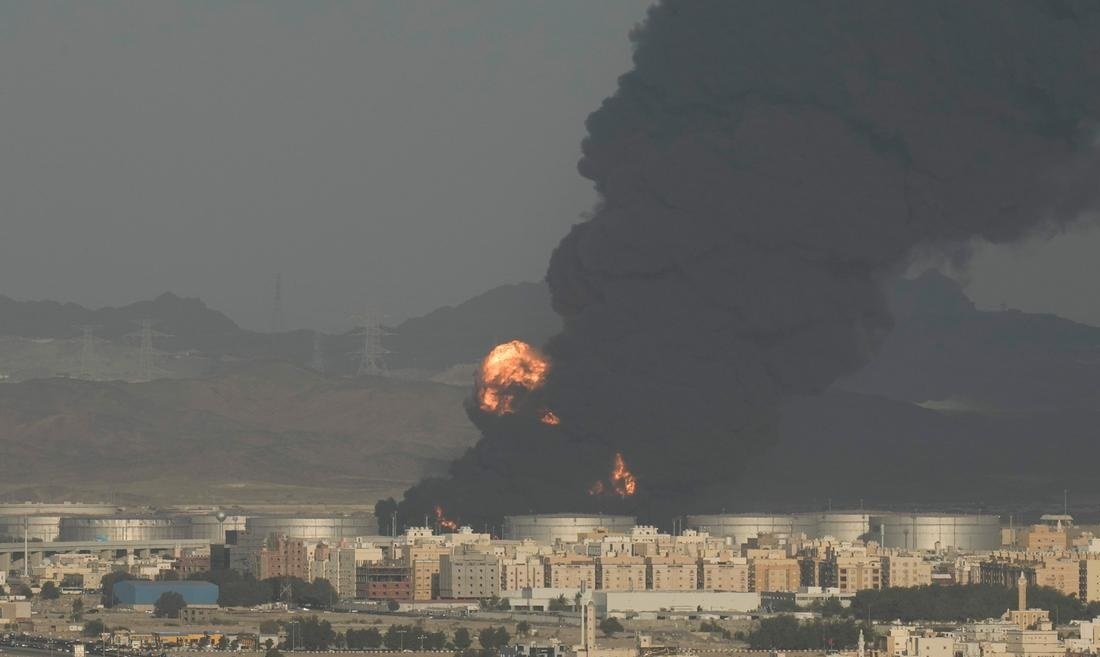
Previously, Sri Lanka had increased fuel and electricity prices by more than a third after global energy markets were affected by US-Israel actions against Iran and subsequent retaliatory measures.
In particular, the conflict has effectively disrupted the Strait of Hormuz, a critical route for global energy supply, impacting crude oil and gas shipments. Under normal circumstances, approximately 20 percent of the world's energy exports pass through this route.
This specific news has been automatically translated by AI. As a result, there may be some inaccuracies or language errors.