Nepal Ends Monopoly on Migrant Worker Health Screenings, Opens Doors to Public Hospitals

Kathmandu. The government has decided to break the monopoly on health screenings for migrant workers, allowing public hospitals to conduct these examinations. This decision removes the decades-old practice of relying on a limited number of institutions, which was often criticized for high fees and restricted access.
The move does not abolish the existing system but rather allows both public and private institutions to provide these services. The Ministry of Labour, Employment and Social Security has revised the old regulations to implement a more open, competitive, and reliable system.
This government decision is expected to reduce the financial burden on migrant workers and make health screening services more accessible and transparent. There is no reason for concern regarding this policy shift.
Ending the Syndicate and the Rationale for New Policy
Migrant workers from Nepal are required to undergo health screenings as per the regulations of destination countries and domestic laws. Currently, 32 different health tests are mandatory.
In the past, only a limited number of private health institutions were authorized to conduct these tests, a system widely viewed as a syndicate. This syndicate was accused of charging exorbitant fees, compromising service quality due to a lack of competition, and infringing upon the rights of workers.
This decision aims to end the syndicate and make the health screening system more democratic and worker-friendly. Reports from any authorized public or private hospital will now be recognized. We expect this to reduce the financial burden on workers and improve service accessibility and transparency.
Legal Basis and Implementation Framework
Existing laws and regulations did not explicitly bar public hospitals from conducting health screenings, but they were not practically listed to provide these services. With the Ministry's new decision, any government-approved private health institution and public health facility will be eligible to conduct screenings for migrant workers.
The Ministry will proceed by clarifying the necessary guidelines, procedures, and standards. Health institutions will be permitted to provide services only after meeting the specified qualifications and criteria. The Ministry is preparing to issue a notice soon, inviting eligible health institutions to register.
Capacity, Quality, and International Standards
While questions regarding the capacity and infrastructure of public hospitals may arise, the Ministry is analyzing this matter seriously. Public hospitals will need to develop their capacity to meet the required standards.
An expert committee, co-chaired by an Additional Secretary of the Ministry of Health, is being formed to evaluate the qualifications and infrastructure of these institutions. This committee will conduct a detailed analysis and provide recommendations.
Furthermore, the Ministry will consider the specific requirements and standards of destination countries. We will create a package of health screening parameters that addresses both international standards and the minimum requirements of destination nations.
Benefits for Workers
The government's decision is expected to provide multi-dimensional benefits to Nepali migrant workers. Increased competition will lower screening fees, thereby reducing the overall cost of migration. With more public and private hospitals authorized, workers will have easier access to services closer to home.
Workers in remote areas may soon be able to access services at district or provincial-level public hospitals. An open and competitive system will eliminate middlemen, making the process more transparent and reliable. Healthy competition will motivate health institutions to provide better quality services.
Ensuring that only institutions meeting the specified criteria can operate will guarantee quality. The need to wait in long queues may be eliminated, saving workers time. Workers will now have the option to choose a health institution based on their preference and convenience.
Role of Businesses and the Ministry's Perspective
The Ministry is sensitive to how the dissolution of the syndicate will affect service providers. We are mindful of the business community. Businesses are free to operate, and there is no issue with that. This decision does not aim to stop any business but to strengthen the system through competition.
In the past, there was discussion regarding the limited number of institutions and their investments. The Ministry will further study the current market situation and the investments made by businesses. The government's objective is not to displace anyone but to improve the system and work in the interest of the workers.
Future Action Plan
The Ministry has planned to implement this significant decision effectively. There are plans to revise and update the guidelines, regulations, and procedures related to health screenings.
The plan includes preparing a list of eligible public and private health institutions, initiating the registration process, and setting standards that address international requirements and the needs of destination countries.
The government is also preparing to arrange for regular monitoring and evaluation to ensure transparency. This decision was made to increase competition, broaden access, and make the process more affordable and convenient. It is expected to make foreign employment safer, more organized, and dignified.
The implementation of this decision will provide significant relief and convenience to Nepali workers before they head abroad, which will certainly have a positive impact on the overall foreign employment sector.
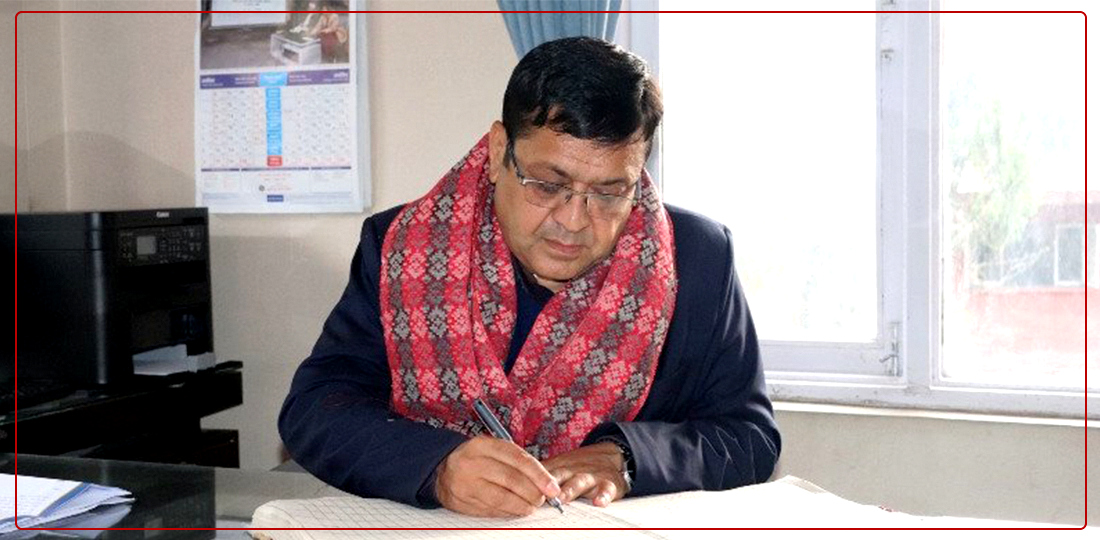
Ghimire is the spokesperson for the Ministry of Labour, Employment and Social Security.
This specific news has been automatically translated by AI. As a result, there may be some inaccuracies or language errors.

-purbadhar-bikas_KNeZmLCOTc.jpg)