
Understanding Kidney Stone Risks During Summer: Prevention and Management


Kathmandu. Cases of kidney stones tend to increase during the summer season. Rising temperatures in summer increase the risk of dehydration, or a lack of water in the body. This causes calcium and other mineral crystals to accumulate in the kidneys, eventually forming stones.
During summer, a significant amount of water is lost from the body through sweat. Not drinking enough water can lead to dehydration.
When the body lacks water, minerals like calcium and oxalate increase in the urine. These minerals combine to form small crystals, which later turn into kidney stones.
Crystals form when calcium, oxalate, and uric acid levels rise in the urine, and they cannot be flushed out due to a lack of water, leading to stone formation. While there is no direct link to the weather, the increased risk of dehydration in summer makes it more prevalent.
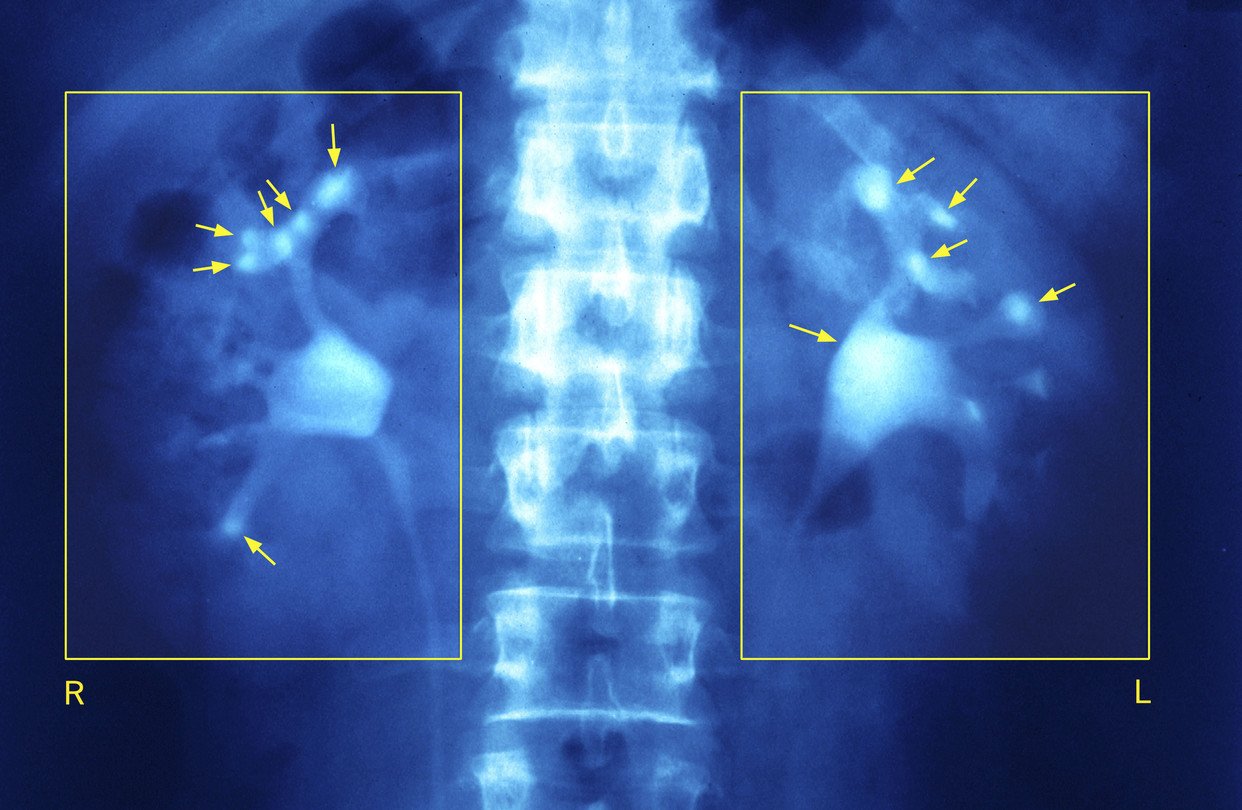
Kidney stones often present with urinary issues. They can cause severe pain in the waist or abdomen. The main symptoms are as follows:
- Pain during urination.
- Change in urine color.
- Foul-smelling urine.
- Blood in the urine.
- Frequent urge to urinate.
- Nausea, vomiting, and restlessness.
- Constant fatigue and weakness.
- Pain in the lower back.
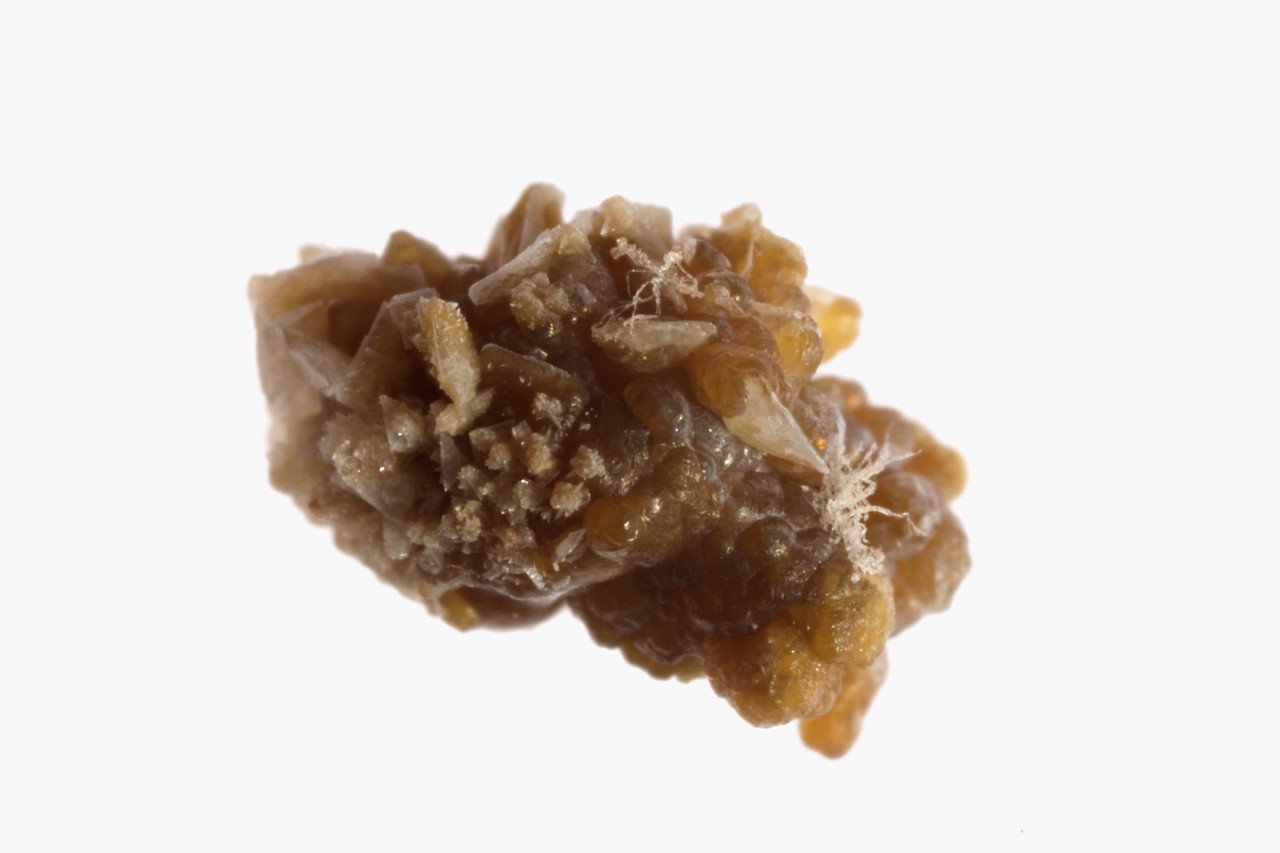
What negligence increases the risk of stones in summer?
Small lifestyle mistakes during summer increase the risk of stones. Ignoring water intake leads to mineral saturation in the kidneys. These mistakes include:
- Drinking less water.
- Consuming too much salt.
- Drinking excessive tea and coffee.
- Eating oily and spicy foods.
- Consuming high amounts of protein.
- Drinking sugary beverages.
- Eating too much junk food.
- Not consuming citrate-rich fruits.
- Failing to control weight.
- Lack of physical exercise.
- Holding in urine.
- Alcohol consumption.
Some people are at higher risk, including:
- Those who drink little water.
- Individuals who have had stones before.
- People who sweat excessively.
- Obese individuals.
- Patients with diabetes.
- People working outdoors.
- Those who consume high amounts of salt.
- People on high-protein diets.
- Heavy tea and coffee drinkers.
- Soft drink consumers.
- Those who eat few fruits and vegetables.
- People who frequently suffer from dehydration.

An unhealthy lifestyle increases the risk, while healthy habits reduce it. Therefore:
- Avoid excessive salt, processed foods, and high-protein diets.
- Do not drink excessive tea, coffee, or soft drinks.
- Eat fruits, vegetables, and fiber-rich foods.
- Maintain regular exercise and a balanced diet.
- Drink at least 8-10 glasses of water throughout the day.
How much water is necessary to drink daily?
Since you sweat more in summer, the need for water increases. Generally, one should drink 2.5 to 3 liters of water per day. If you are sweating heavily or working outside, increase your water intake.
Light yellow urine is a sign of adequate hydration, while dark-colored urine indicates that the body needs more water.
Along with water, a balance of electrolytes (sodium, potassium) is also necessary. These minerals are lost through sweat. While water hydrates, electrolytes maintain balance. Coconut water, buttermilk, and lemon water are good sources that maintain fluid balance in the body.
To keep kidneys healthy in summer, one should follow a light, balanced, and hydrating diet.
- What to eat: Watermelon, muskmelon, cucumber, oranges, sweet lime, yogurt, and whole grains.
- What to avoid: Excessive salt, junk food, processed food, red meat, and overly sugary or fried items.

What to do to reduce the risk of kidney stones?
Some foods and drinks can increase the risk of stones, so avoid them. Additionally, lifestyle changes are necessary. Preventive measures include:
- Drink plenty of water.
- Eat citric fruits.
- Exercise regularly.
- Reduce salt intake.
- Avoid packaged foods.
- Limit chips and salty snacks.
- Do not consume excessive protein.
- Do not drink soft drinks.
- Avoid excessive sugar.
- Do not hold in urine.
- Avoid alcohol.
- Do not smoke.
Those who have already had stones are at a higher risk of recurrence. Take care as follows:
- Keep drinking enough water and fluids throughout the day.
- Avoid salty and high-protein foods.
- Take regular medication as advised by the doctor.
- Do not hold in urine for long periods.
- Consult a doctor immediately if you experience weakness, pain, or any urinary problems.
What to do if you have kidney stones and when to see a doctor?
Timely treatment for kidney stones is essential. Small stones may pass on their own with sufficient water intake, while medication is provided for pain, and tests are conducted if necessary. See a doctor immediately if these symptoms appear:
- Severe pain in the waist or abdomen.
- Blood in the urine.
- Frequent vomiting or nausea.
- Extreme pain during urination.
- Little or no urine output.
This specific news has been automatically translated by AI. As a result, there may be some inaccuracies or language errors.



_yElEHP9YnW.jpg)