Nepali Citizens Detail Struggle for Identity Documents Under Mother's Name Amid Gender Bias

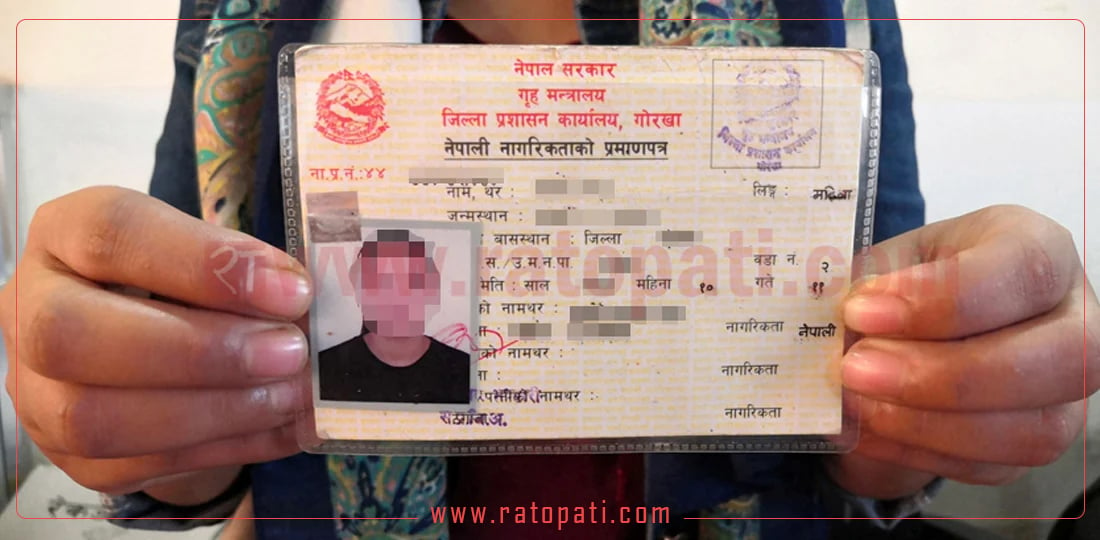
Kathmandu. "Although my father is a foreigner, I was born from the womb of a Nepali mother. I have been living in this country, but I am struggling with the state to get citizenship in my mother's name. I have been struggling since the age of 21 to get citizenship in the name of the mother from whose womb I was born. I am still without citizenship at the age of 36," said Suraj Acharya from Syangja.
He complained that being stateless has caused him mental, physical, and social suffering, and has also stunted the foundation for building his future. Speaking at an event in Kathmandu, Acharya stated that he has faced immense hardship due to the complicated and non-straightforward provision for obtaining citizenship through the mother's name.
"My friends became doctors, engineers, and moved forward with their professions and identities, but I could not complete my studies, nor could I start a business because I lacked citizenship," he said. "What was my fault for being born from the womb of a Nepali mother! When will the state grant me citizenship? I am searching for an answer."
According to Acharya, his mother is Nepali and his father came from India and settled here. He shared the pain of having struggled immensely to obtain citizenship by descent through his mother's name and not yet succeeding.
Similarly, Kavre's Kavita Karki (name changed) has had to endure repeated humiliation while trying to get citizenship for her son. She stated that she had to struggle for four years to get citizenship for her son through her mother's name because the father's whereabouts are unknown. "Not only is my son deprived of citizenship, but employees from the District Administration Office to the ward office ask many questions that hurt my character and self-respect. This causes further pain," Karki said. "It took four years to gather the necessary documents for citizenship. The Assistant Chief District Officer even responded at a low level, asking what kind of mother doesn't know the father."
Deepti Gurung, President of Citizen Effects Network, stated that she supported Karki in her struggle to get citizenship for her son. According to President Gurung, although there is a law to grant citizenship through the mother's name, discrimination and insult occur due to patriarchal thinking. She mentioned that a study report by her organization on the implementation of citizenship law in Nepal showed gender discrimination in citizenship itself.
"Mothers face the compulsion of facing many conditions and procedures; fathers do not have to face as many challenges," President Gurung said. "The mother who gives birth to the child has to reveal the details of her identity, while the father does not have to go through any procedural complications. This clearly shows gender discrimination."
Uma Tamang, an advocate at Maiti Nepal, stated that the process for women to obtain citizenship by descent is more cumbersome. It is her view that women face the extreme stage of discrimination in citizenship matters. Sharing the case of a woman who was denied citizenship by Maiti, Tamang said, "That woman got married up to four times just for citizenship, but no one agreed to grant her citizenship."
Currently, out of 195 countries worldwide, 172, or about 88 percent, have ensured gender equality in their citizenship laws, while in Nepal, obstacles remain in some legal and practical aspects, leading to struggles for citizenship, according to advocate Neha Gurung.
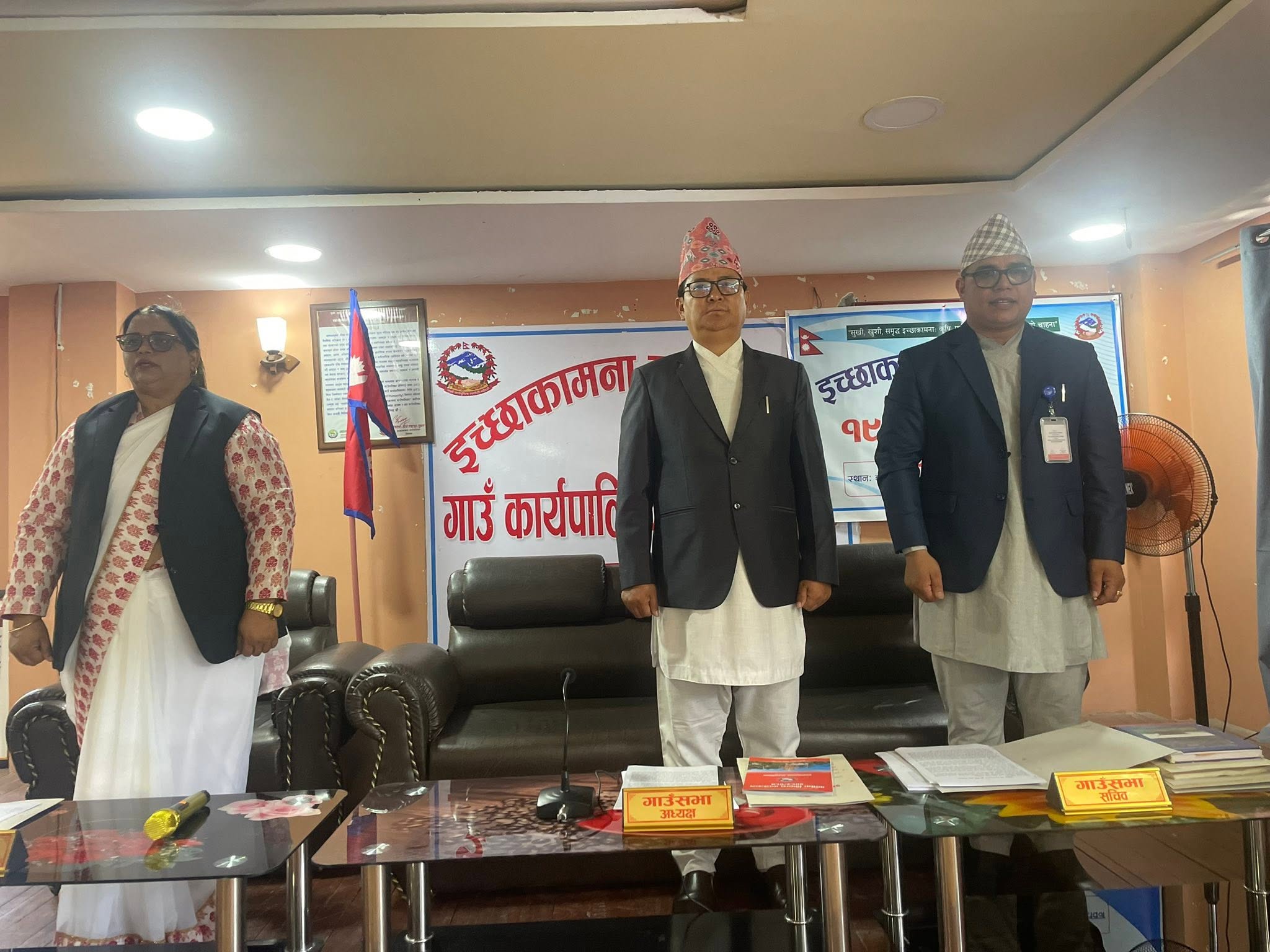
A national dialogue program was organized today regarding the existing legal provisions, challenges, and constitutional amendments concerning obtaining citizenship through the mother's name. In this dialogue, most speakers mentioned that citizens suffer because the provision for obtaining citizenship through the mother's name is conditional, cumbersome, and humiliating.
It was mentioned at the event that only about 24 countries, including Nepal, face gender-discriminatory legal provisions when mothers grant citizenship to their children. Advocate Prasanna Nirmal Aryal emphasized that since about 88 percent of United Nations member states have ensured gender equality in their citizenship laws, Nepal should also embrace this.
Nepal's constitution establishes gender equality and hereditary rights as fundamental rights. Stakeholders say that although recent amendments to the Citizenship Act show some positive progress, problems still exist in implementation. Activists have criticized that the provisions, especially those framed keeping in mind the situation where the father's identity is unknown, limit the mother's rights.
This specific news has been automatically translated by AI. As a result, there may be some inaccuracies or language errors.
_shBQSnE9IK.jpg)
_fkg5u05PqN.jpg)