National Planning Commission Begins Consultations for Disciplined Budget Formulation for FY 2083/84


Preliminary discussions have begun with various ministries to allocate sufficient budgets for ongoing and phased projects to expedite their completion, and to propose new plans and programs only if they are supported by cost-benefit analysis and are ready for immediate implementation.
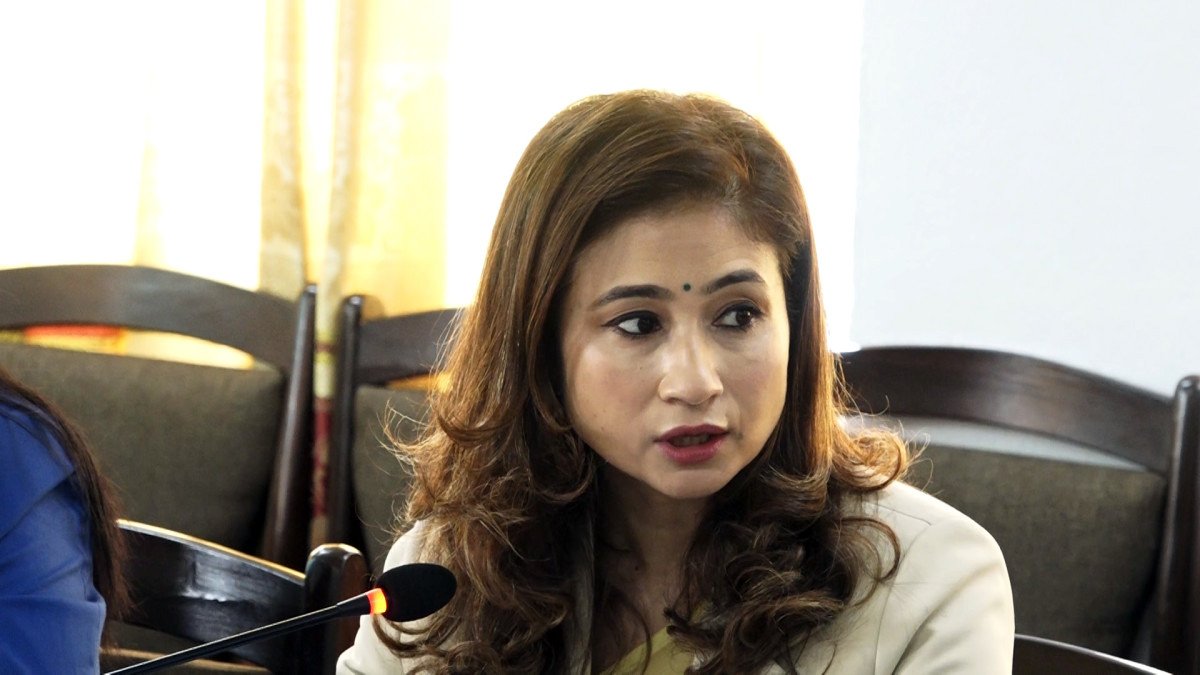
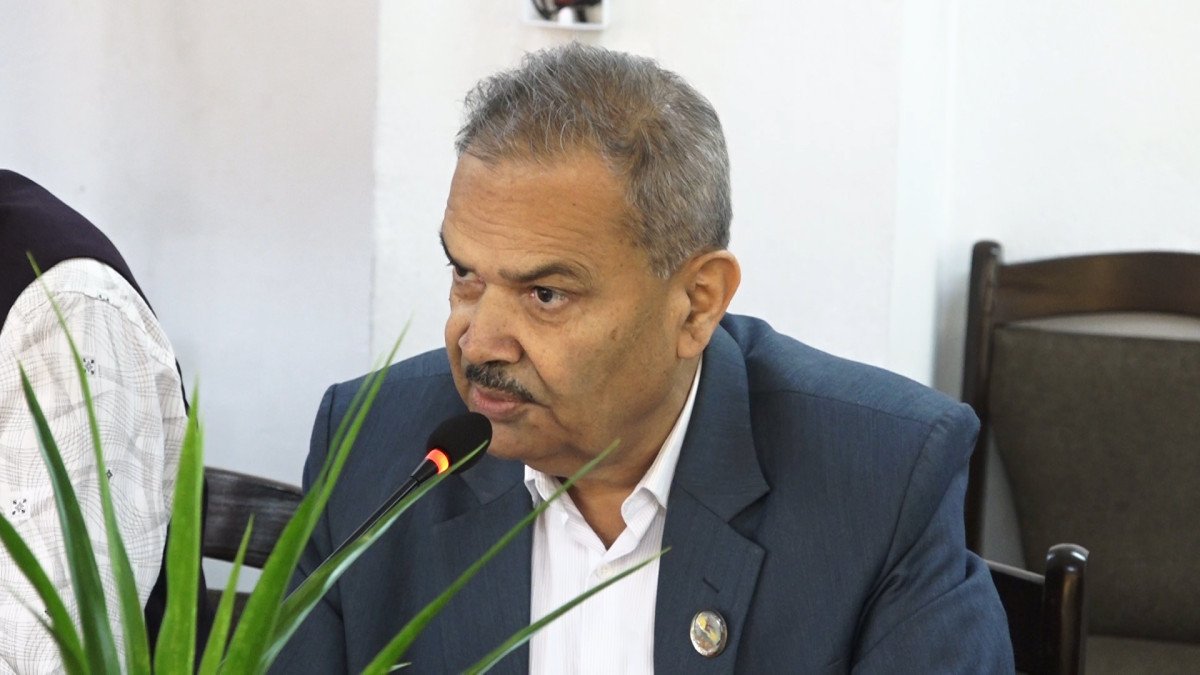
The National Planning Commission (NPC) has prepared a budget formulation 'checklist' with the objective of making the budget drafting process for the upcoming fiscal year 2083/84 more disciplined, results-oriented, and realistic. NPC's Assistant Spokesperson Dr. Diwakar Luitel informed that the commission has a schedule today to discuss proposed plans and programs for the next fiscal year's budget with the Office of the Prime Minister and Council of Ministers, the Ministry of Federal Affairs and General Administration, the Ministry of Culture, Tourism and Civil Aviation, and the Ministry of Health and Population.
According to him, discussions on proposed plans and programs by the Ministry of Forest and Environment, the Ministry of Labour, Employment and Social Security, the Ministry of Physical Infrastructure and Transport, and the Ministry of Urban Development will take place tomorrow, Wednesday.
As part of the initial phase of budget formulation, the commission has already discussed proposed plans and programs with the Ministry of Home Affairs, the Ministry of Land Management, Cooperatives and Poverty Alleviation, the Ministry of Youth and Sports, the Ministry of Women, Children and Senior Citizens on Monday, and the Ministry of Finance, the Ministry of Foreign Affairs, and the Ministry of Law, Justice and Parliamentary Affairs on Sunday.
According to the NPC, subject-specific ministries and agencies must propose plans and programs for the upcoming fiscal year's budget with detailed justifications. The policy adopted is to include projects in the budget that are fully prepared for implementation and can yield immediate results.
Finance Minister Dr. Swarnim Wagle has been stating that a transformative budget will be introduced for the next fiscal year. Accordingly, in coordination with the Ministry of Finance, the Planning Commission has instructed the subject-specific ministries to propose plans and programs only after prioritizing them during discussions. The NPC stated that the strategy will be to allocate adequate budgets to ongoing and phased projects initiated in the current fiscal year to ensure their swift completion.
Furthermore, ministries must compulsorily include physical and financial progress reports of projects and programs from the current fiscal year when submitting their proposals. The 'checklist' includes a provision to present an analysis of the problems and challenges observed during implementation.
Similarly, the current status of National Pride Projects and major programs included in the Project Bank must also be clearly stated. This is expected to facilitate the evaluation of the progress of projects of long-term significance. The government has also emphasized aligning the budget with the 16th Plan. Accordingly, ministries must clearly propose transformative strategies and key programs and projects to be implemented in the coming year. Ministries must submit realistic projections of resources and expenditures according to the budget ceiling for the next three fiscal years (2083/84–2085/86) and the Medium-Term Expenditure Framework provided by the Ministry of Finance.
As per the Economic Procedure and Financial Responsibility Act, 2076, feasibility studies, environmental studies, Detailed Project Reports (DPR), design, cost estimates, land acquisition status, implementation schedule, and procurement plans must be mandatorily attached to the proposed projects. Additionally, the expected returns from the project must also be clearly specified.
Details of resource assurance made for National Pride Projects and multi-year projects must also be submitted mandatorily. This is expected to increase transparency in budget commitments. The government has adopted a policy of giving special priority to projects that yield quick returns, can be completed within the set time and cost, and will be completed in the next fiscal year.
Ongoing programs and projects must be classified based on priority. Proposals must include a clear list of projects that require continuation, those that need review, and those that should be scrapped.
Plans requiring restructuring or review, along with details of incomplete and sick projects, must also be presented separately. This is expected to help in managing projects that have been stalled for a long time. It must also be mandatorily disclosed whether the financial liabilities created by projects completed in the past have been included in the budget or not. It will also be checked whether only projects that should be operated by the federal government, as per the Project Classification Criteria and Standards, 2080, have been included in the proposals.
The Ministry of Finance had set a deadline of Chaitra 15 for ministries to propose plans and programs for the next fiscal year's budget. The Ministry of Finance stated that although it was mentioned that proposed plans and programs should be entered into the Ministry-wise Budget Information System (LMBIS) by this deadline, the deadline has been extended because the new government did not have enough time to prepare adequately for the budget.
“We had asked for the proposed plans and programs to be entered into LMBIS by Chaitra 15. But the Ministry of Finance is somewhat flexible on this,” said NPC Assistant Spokesperson Luitel. The Ministry of Finance stated that the deadline for proposing plans and programs in LMBIS needed to be extended to incorporate provisions from the ruling party's election manifesto, the one hundred agenda items related to governance reform approved by the Council of Ministers meeting on Chaitra 13, and the Good Governance Roadmap, 2082.
This specific news has been automatically translated by AI. As a result, there may be some inaccuracies or language errors.