Sri Lanka Hikes Electricity Prices by Nearly 40% Amid Middle East Energy Crisis


Colombo. Sri Lanka announced a nearly 40 percent increase in electricity prices starting Wednesday, as the nation grapples with an energy shortage caused by the conflict in the Middle East.
Sri Lanka's Public Utilities Commission stated that further increases in electricity tariffs are expected in April based on global energy prices.
KPL Chandralal, Chairman of the Commission, told reporters in Colombo, "The increase we announced today was calculated based on prices prevalent before the Middle East conflict."
For most middle-class consumers, the cost per hour for one kilowatt of electricity will be 84 rupees, equivalent to $0.28 USD.
Due to this price adjustment, the cost per hour for one kilowatt of electricity for the lowest electricity consumers will increase by 39.34 percent from 61 rupees to 84 rupees. Similarly, consumers using less than 30 kilowatt-hours per month will see a price increase of 11.11 percent.
Sri Lanka has raised fuel prices three times this month, with the cumulative increase exceeding one-third. The country has mandated a three-day public holiday per week to conserve fuel and prevent an energy crisis.
The government has also asked the private sector to re-implement work-from-home arrangements wherever possible.
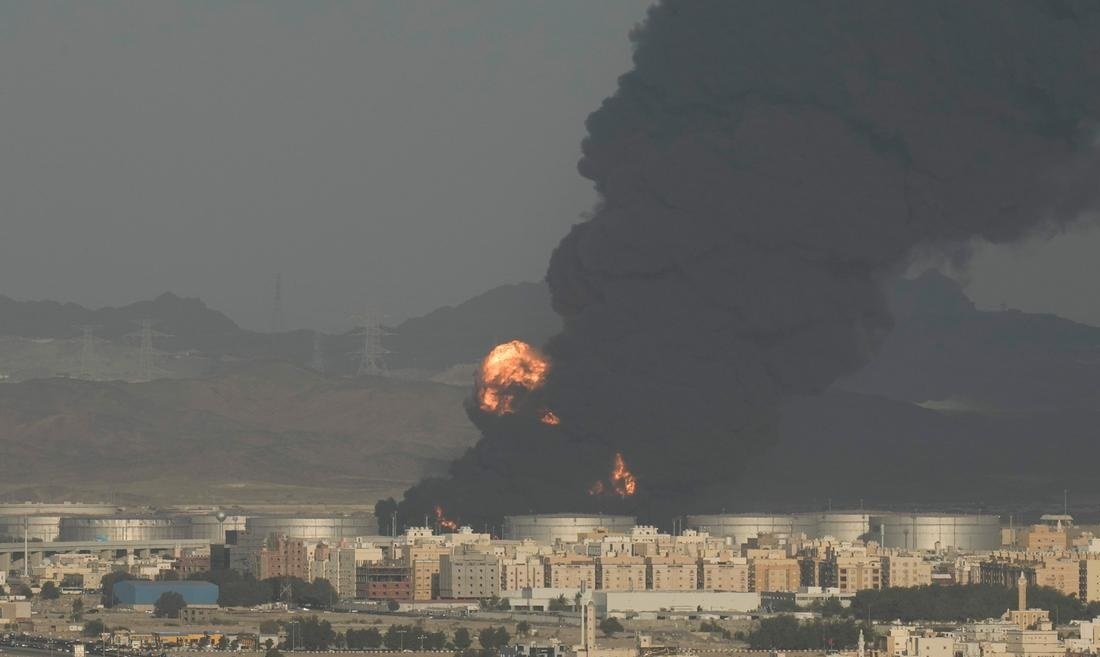
Following the attack by the US-Israel late last month, Iran has effectively blocked ships transiting the Strait of Hormuz, a major waterway through which 20 percent of the world's crude oil and gas exports pass, in the context of peace efforts.
Sri Lanka imports all its oil and purchases coal for electricity generation.
It purchases refined petroleum products from India, Singapore, Malaysia, and South Korea, while crude oil for the Sri Lankan refinery built in Iran is imported from the Middle East.
The government has stated that fighting in the Middle East and any prolonged war could seriously weaken its efforts to emerge from the economic recession of 2022. To avoid this, the government has announced austerity measures.
After running out of foreign currency in late 2022 and defaulting on $46 billion in foreign debt, Colombo has since received a conditional loan facility of $2.9 billion from the IMF.
This specific news has been automatically translated by AI. As a result, there may be some inaccuracies or language errors.