Nepal Begins Consultations for Upcoming Fiscal Year Budget Amidst New Government Formation


Kathmandu. Following the formation of the new government, preliminary discussions have commenced with various line ministries as part of the initial phase for formulating the budget for the upcoming fiscal year 2083/84.
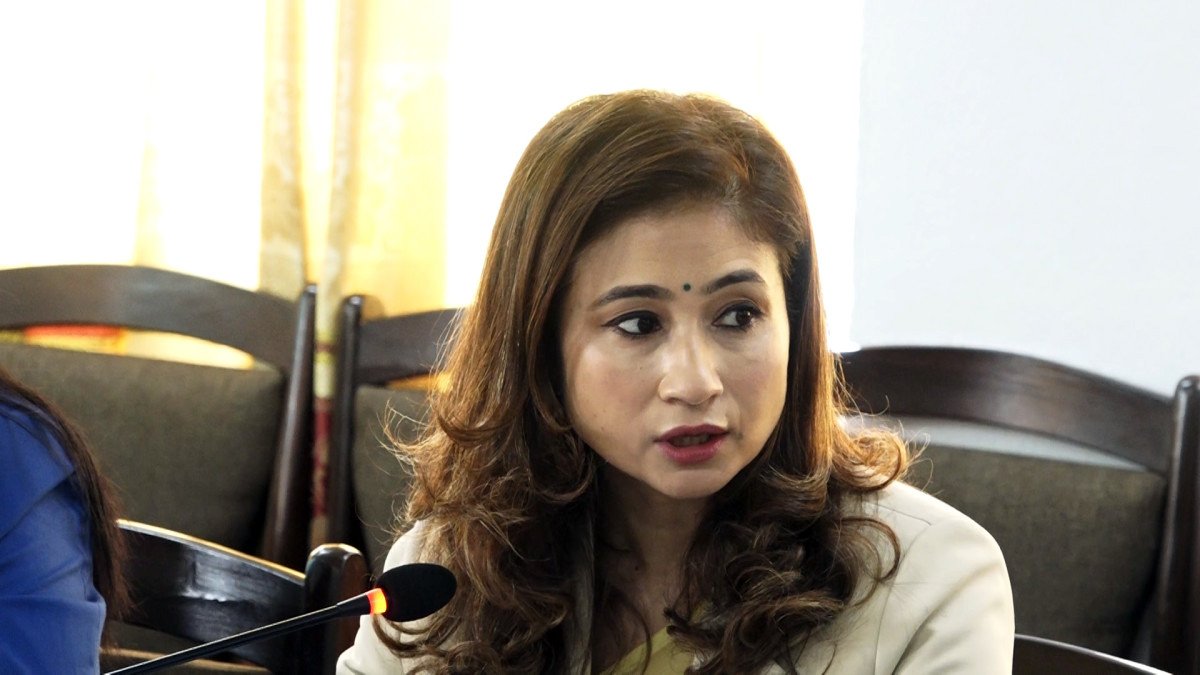
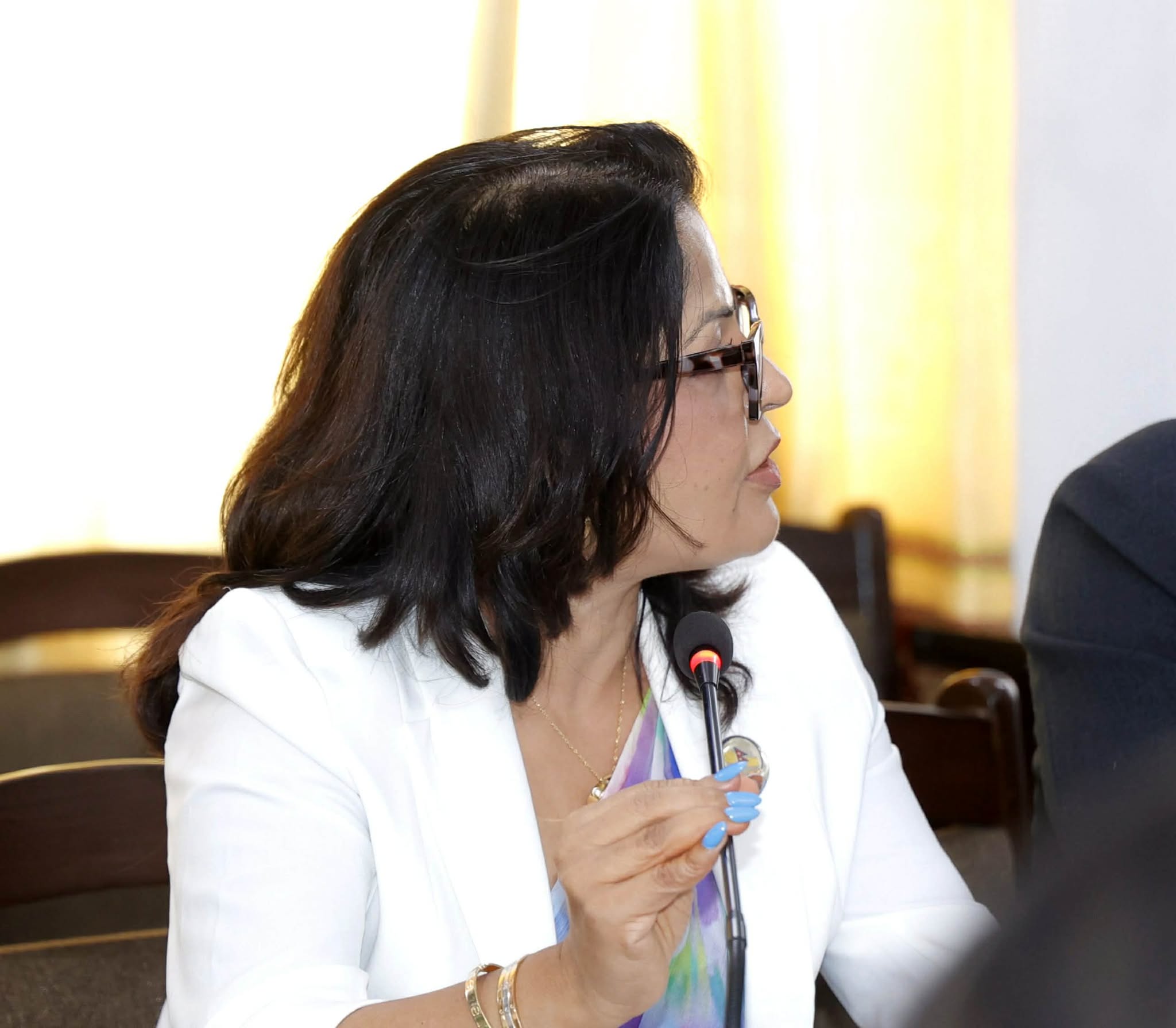
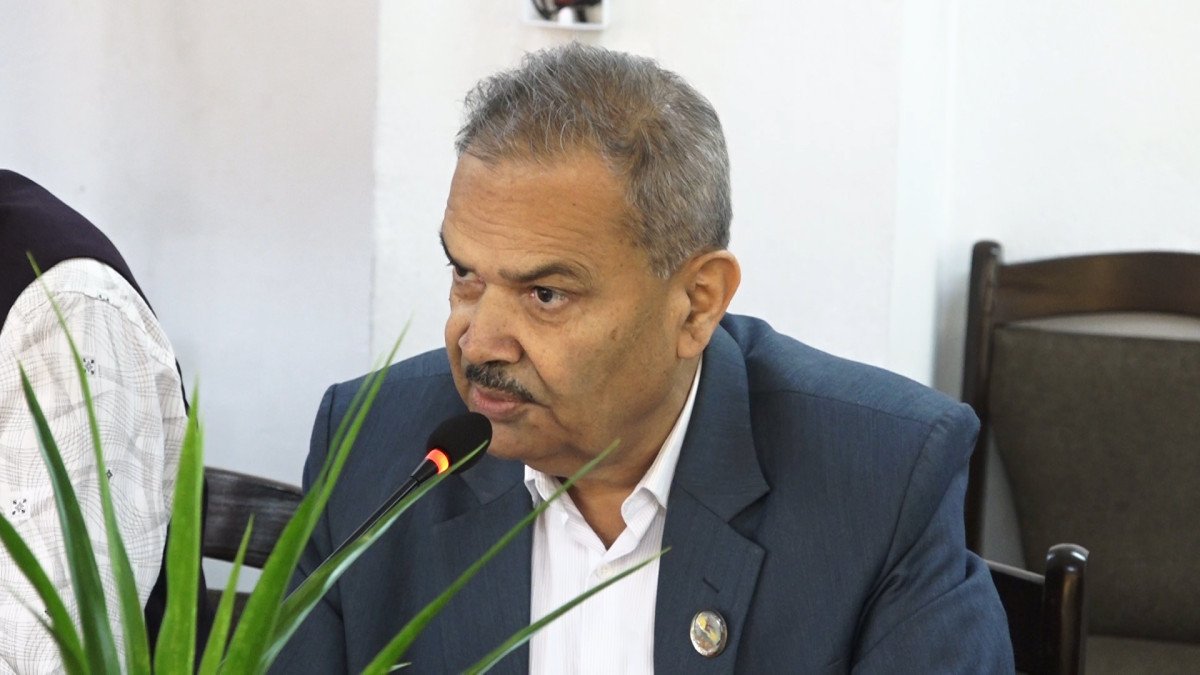
Coordinated by the Ministry of Finance, the National Planning Commission held initial discussions today with three ministries. According to the Commission's spokesperson, Harisharan Pudasaini, discussions regarding the budget were held today with the Ministry of Finance, the Ministry of Foreign Affairs, and the Ministry of Law, Justice and Parliamentary Affairs.
"Discussions have begun on the plans and programs prepared by the ministries based on the Medium-Term Expenditure Framework, the budget ceiling (ceiling) set by the National Resource Estimation Committee, and the guidance received from the Ministry of Finance," said spokesperson Pudasaini. "Discussions have started on prioritizing and selecting effective plans within the determined limits."
According to the Economic Procedures and Financial Responsibility Act, 2076, every ministry must prepare policy, programs, and budget proposals for the bodies under its jurisdiction, adhering to the received budget ceiling and guidance, and submit them to the National Planning Commission and the Ministry of Finance within the stipulated deadline.
Accordingly, the Ministry of Finance had circulated a directive to all ministries by Chaitra 15 to propose their plans and programs. However, since the new government has taken charge, the Ministry of Finance appears flexible about reviewing the deadline, citing that the ministries have not had enough time to fully commence work.
"Line ministries were asked to enter budget proposals for the next fiscal year's plans and programs into the LMBIS system by Chaitra 15, but the deadline may be extended as time is needed to incorporate the 100-point agenda on governance reform, the ruling party's electoral commitments, and other reform programs," said the Ministry of Finance spokesperson, Tankaprasad Pandey.
The government has directed ministries to adopt clear criteria when proposing the budget. The Commission stated that plans and programs that align with the government's current policy and periodic plan, projects under the Medium-Term Expenditure Framework, cost estimates, and inclusion of expenditure and resource projections for the next three years will be prioritized in the budget.
Furthermore, the Commission indicated that matters such as incorporating multi-year obligations and outstanding payments, mandatory benefit-cost analysis of programs, and including details of past financial and physical progress will be seriously considered. The Commission will prepare a report after a detailed technical, economic, and implementation review of the proposals received for the upcoming fiscal year. This report will then be submitted to the Finance Minister.
Meanwhile, the Ministry of Finance has begun an in-depth study of the current economic and financial situation. Revenue Secretary Bhupal Baral, Chief of the Economic Policy Analysis Division Mahesh Bhattarai, and Executive Director of Nepal Rastra Bank Ramsharan Kharel have been assigned this responsibility. They have been asked to submit a report analyzing overall economic and monetary indicators within the next five days.
A Revenue Consultation Committee has been formed to study the tax policy that will accompany the upcoming budget, and the study has been initiated. Additionally, the Ministry of Finance stated that work on preparing the Economic Survey and the progress report of public enterprises (Yellow Book) is also proceeding in parallel.
Aspects such as the new government's policy priorities, the realistic status of revenue collection, expenditure management capacity, and assurance of foreign aid will determine the shape of the upcoming budget. The government faces the challenge of meeting high expectations amidst limited resources.
There is widespread interest in how realistic and implementable the budget will be in achieving the goals currently set by the government, particularly regarding economic governance, improvement in service delivery, infrastructure development, and increasing investment in productive sectors.
This specific news has been automatically translated by AI. As a result, there may be some inaccuracies or language errors.