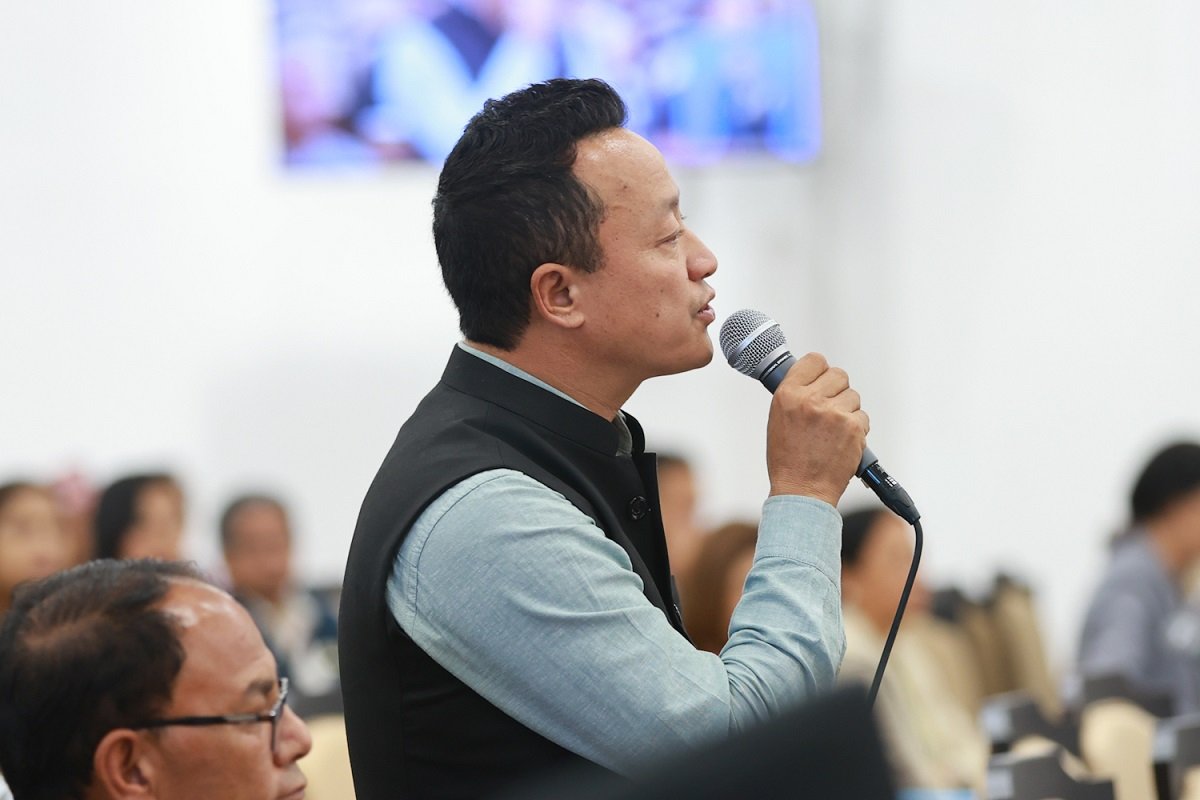
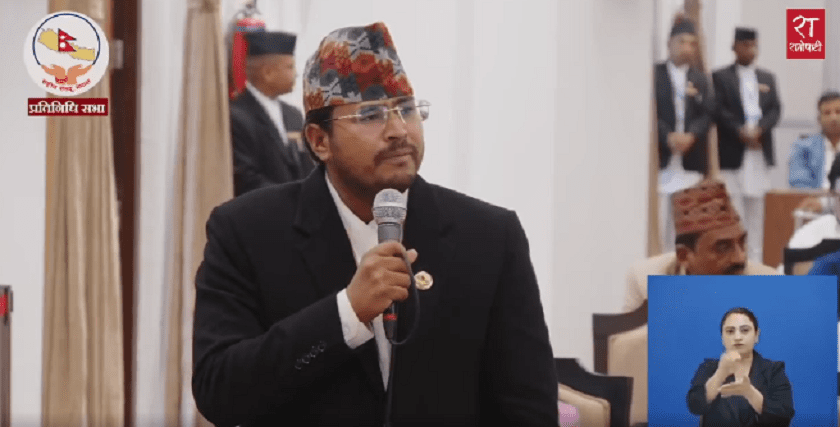
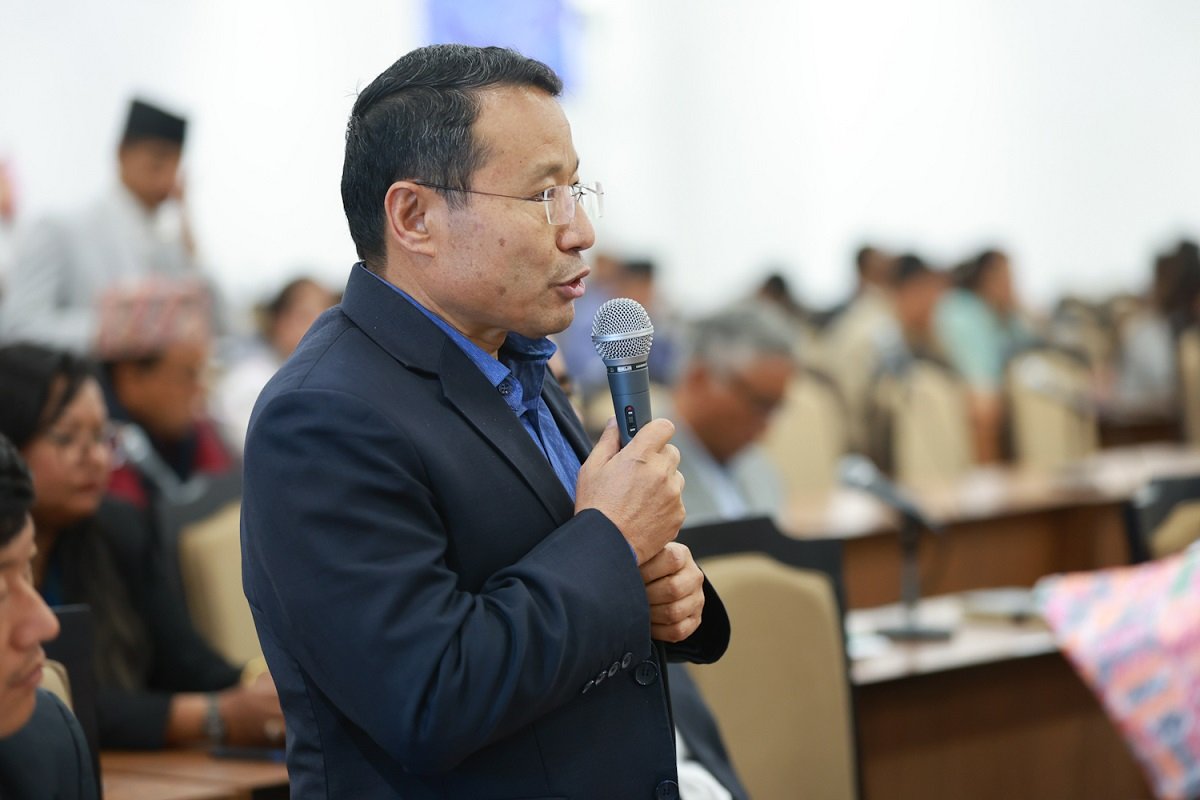
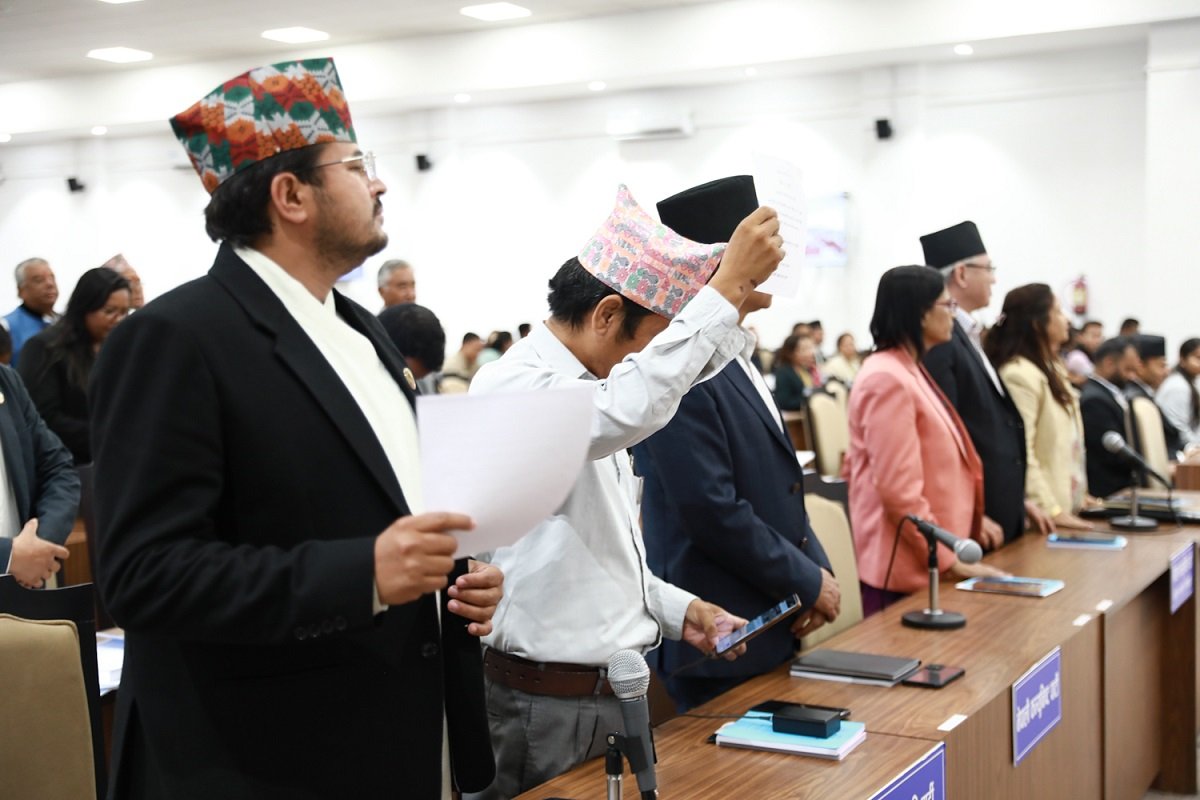
New Minister Sunil Lamsal, an Engineering Expert, Takes Charge of Physical Infrastructure Ministry Amid High Expectations


Kathmandu. There has long been a debate in Nepal that the ministry should be led by an expert in that specific field. Especially in technical ministries like Physical Infrastructure, there are frequent complaints that projects are left unfinished and work quality suffers due to the lack of a person who understands the subject matter.
In the new government formed after the elections on Falgun 21, Sunil Lamsal, General Secretary of the Rastriya Swatantra Party (RSP), has taken charge of the Ministry of Physical Infrastructure, Transport, and Urban Development. Expectations are high that the country's physical development will gain new momentum under Lamsal, who possesses a technical background and direct experience in infrastructure construction.
Born on Ashoj 8, B.S. 2047 in Kaligandaki Rural Municipality (Birgha), Syangja, Sunil Lamsal spent his childhood in the hilly environment. His family moved to Butwal, Rupandehi, in 2052 B.S. He is currently a permanent resident of Tilottama Municipality-7, Rupandehi. Born into a modest family, Lamsal consistently achieved excellent results in his primary and higher education.
He completed his Bachelor's degree in Civil Engineering from Lumbini Engineering College. Subsequently, he completed his Master's degree in Structural Engineering from the neighboring country India's Nitte Meenakshi Institute of Technology. His interest in studies was not limited to this; he is currently pursuing a Ph.D. in 'Solid Waste Management' from Kathmandu University.
Experience from National Pride Projects to Local Infrastructure
Minister Lamsal is not just a politician but also an experienced technical expert. Before becoming a full-time politician, he had worked directly on the country's important and national pride projects.
He played a technical role in strategic projects such as the Gautam Buddha International Airport in Bhairahawa, Pokhara International Airport, and Biratnagar Airport. Not only this, but his expertise was also utilized in the reconstruction of the historic Singha Durbar.
While working as the Urban Infrastructure and Environment Expert in Kathmandu Metropolitan City, he closely observed the complexities of urban management. He has also contributed to the physical infrastructure construction of model school buildings in 35 districts and hospitals in 12 districts across the country. Recently, he has also been facilitating the infrastructure development of the 'Extratech Oval Cricket Stadium' under construction in Rupandehi.
Political and Parliamentary Journey
Sunil Lamsal's identity has recently been established as an influential and ideological leader of the RSP. Active in policy and organizational work since the party's inception, he is currently being discussed as the RSP General Secretary, although he has not been formally appointed yet.
He entered parliament after being elected from Rupandehi Constituency No. 1 in the elections on Falgun 21. During the election campaign, he put forward the agenda of 'politics with technical competence and managerial vision.' Believing in 'delivery' rather than traditional politics, Rupandehi voters sent him with a massive mandate, hoping for development.
Challenges Ahead for the New Minister
Despite earning praise as an expert, Lamsal faces significant challenges as a minister. His ministry, which includes the former Ministry of Physical Infrastructure and Urban Development, has to manage development projects worth over 2.5 trillion rupees.
His first priority must be to ensure the timely completion of Nepal's large physical infrastructure projects, end the poor condition of roads, and remove the syndicate in the transport sector.
He faces the challenge of either accelerating the contracts for bridges and roads that have been stalled for years or bringing them under the purview of legal action. Another challenge is managing increasing urbanization by creating a sustainable model for smart cities and waste management. The responsibility for waste management, which Balen could not achieve while serving as the Mayor of Kathmandu, now rests on his shoulders.
Ensuring a hassle-free journey for citizens by making public transport reliable, safe, and technology-friendly will be another test for him. The challenge of selecting priority projects amidst a limited budget and preventing policy corruption in the construction sector remains on the other side.
Lamsal, who has been providing suggestions as an expert in these areas, is now in an executive position to make and implement decisions himself. How he achieves a 'breakthrough' in Nepal's infrastructure sector, in line with his own technical background and electoral commitments, will test the efficiency of the Balen government.
This specific news has been automatically translated by AI. As a result, there may be some inaccuracies or language errors.