From Bookstore Debates to Cabinet Seat: Khadga Paudel (Ganesh) Takes Charge of Tourism Ministry


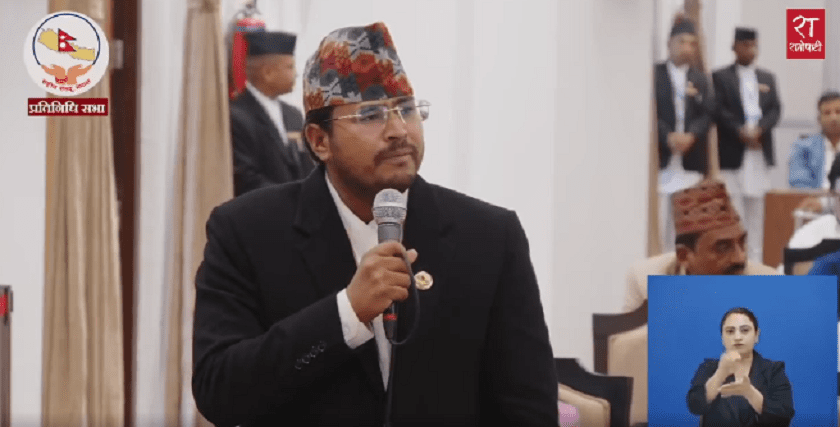
Kathmandu. A young man known for flipping through book pages in Pokhara's quiet tea shops and cafes, asking deep questions with hearty laughter, has taken charge of the Ministry of Culture, Tourism, and Civil Aviation. Khadga Paudel (Ganesh), who sounded the bugle for the 'Ataeri' (Defiance) campaign while advocating for independent citizens, has been appointed as the Minister of Culture, Tourism, and Civil Aviation in Balen Shah's government.
Born in 2036 BS in Majheripatan, Pokhara Metropolitan City-14, Khadga (Ganesh) Paudel does not come from the traditional background of a leader raised carrying the bags of political parties. He holds a Master of Business Administration (MBA) from Pokhara University and a Bachelor's degree in English Literature from Tribhuvan University. The rare confluence of technical knowledge in management and the human sensibility of literature was evident in his personality from a young age.
The urge to develop a reading culture in Pokhara inspired him to conceptualize a campaign. Thus was born the 'Random Readers Society of Nepal'. This organization established Pokhara not just as a city of natural beauty but as a center for intellectual discourse.
Ganesh Paudel used the platform of this society to deeply dissect books. His profound and logical questions, posed with hearty laughter, left an indelible mark on both writers and readers. His ideological articles analyzing Pokhara from various dimensions established him as an intellectual youth with clear views.
While promoting literary festivals and engaging in book discussions, he himself emerged as a creator. He contributed the novel 'Paitala' to Nepali literature. Ganesh established his identity as a figure who views books, cinema, and society from a perspective entirely different and critically conscious than the traditional angle.
Social Concern and Citizens' Issues
Paudel was not merely an intellectual indulging in theory. He actively engaged with the direct problems of society. He was a staunch critic of displacement occurring in the name of development.
He used to caution the state that local culture, tradition, and originality must not be erased during land acquisition. Yesterday, he had criticized the policies of the Civil Aviation Authority and the state during the construction of the airport. Today, he has taken the helm of that very Ministry of Civil Aviation.
Political Steps: From 'Naya Shakti' to 'Ataeri'
Ganesh's political consciousness always leaned towards alternative and progressive streams. When Dr. Baburam Bhattarai challenged traditional politics and founded 'Naya Shakti Nepal' advocating for alternative politics after the promulgation of the new constitution in Nepal, Ganesh participated for a short time. However, his journey there did not last long.
A new and aggressive political identity suddenly emerged in his life with the local level elections held on Baisakh 30, 2079 BS. Under the slogan 'Let's Defy Against Political Inaction,' he ran as an independent candidate for the Mayor of Pokhara Metropolitan City with the 'Lauro' (Cane) election symbol. Although Dhanraj Acharya won the mayoral race in Pokhara, Ganesh secured 5,128 votes. Even in defeat, he successfully laid a strong foundation for alternative politics in Pokhara.
Return to Literature After Defeat
The defeat in the local elections did not discourage him. After the election, he returned to his old profession: writing and translating books. He translated the famous work 'Of Mice and Men' by world-renowned American author John Steinbeck into Nepali as 'Musa Manush'. This proved his patience and intellectual dedication. He debunked the narrative that people lose their creativity after entering politics.
The psychology and movement of the Gen Z, or the new generation, which was spreading globally, suddenly brought a major change to the life of Ganesh, who advocated for independent citizens. Amidst extreme disillusionment with old parties and the fervor of the new generation's rebellion, he joined the Rastriya Swatantra Party (RSP).
Gaining support from this changing psychology and the new political wave, he transitioned from the role of an independent citizen into RSP politics. With the ideological influence of Balen Shah and through the quota (network) of independent candidates, he became a central member of the RSP.
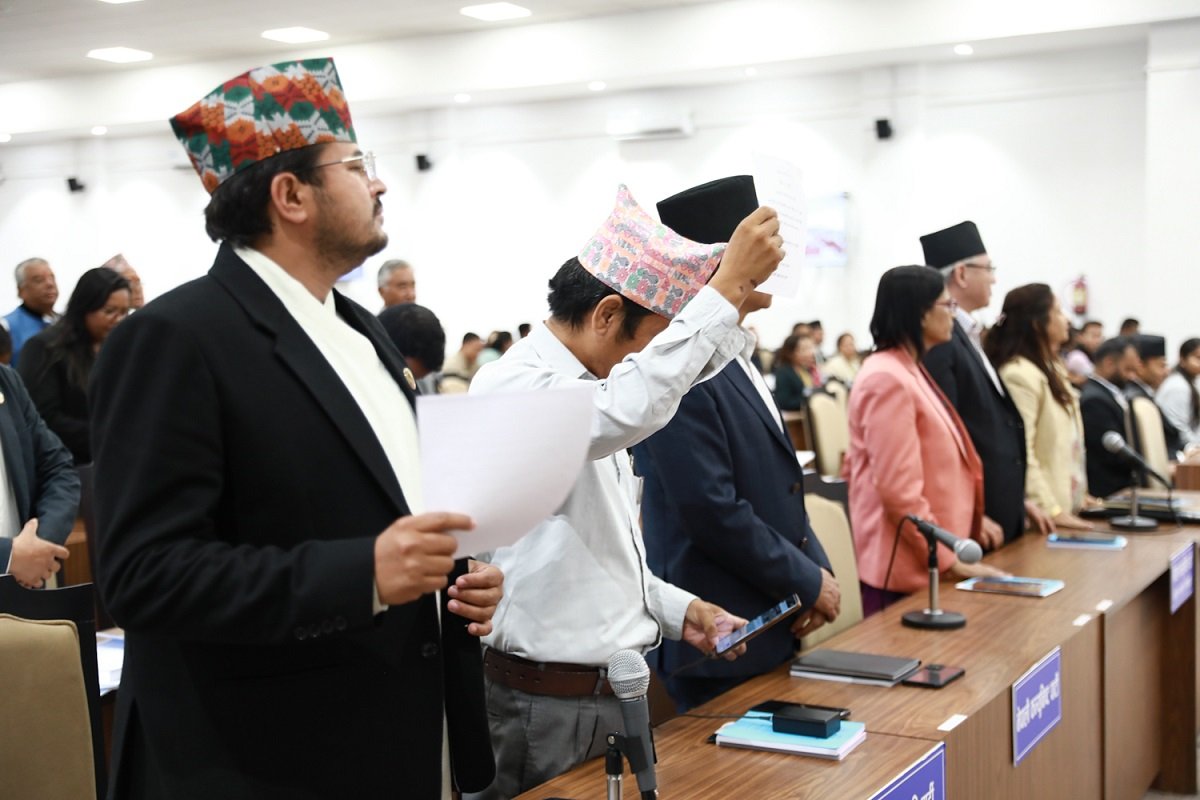
In the subsequent general election, he became a candidate for the Federal Parliament from Kaski Constituency No. 1. Leveraging his intellectual and ideological image, the support of the youth, and his social experience built in Pokhara, he was elected as a Member of Parliament. Upon entering Parliament, he received the responsibility of the Ministry of Culture, Tourism, and Civil Aviation in the Government of Nepal.
Weighing Power and Challenges
His journey from a litterateur and activist to a minister is as inspiring as the significant challenges that lie ahead in his future path. He faces the challenge of fully operationalizing the Pokhara and Bhairahawa International Airports, reforming Nepal Airlines Corporation, and making Nepal an excellent destination for world tourism.
It remains to be seen how he will deliver justice to those affected by the airport issues, for whom he spoke out in the past. Ganesh, who sought ideals in the pages of books, now has the opportunity to build a real society while seated in the chair of Singha Durbar.
This specific news has been automatically translated by AI. As a result, there may be some inaccuracies or language errors.