Philippines Declares National Energy Emergency Amid Rising West Asia Tensions

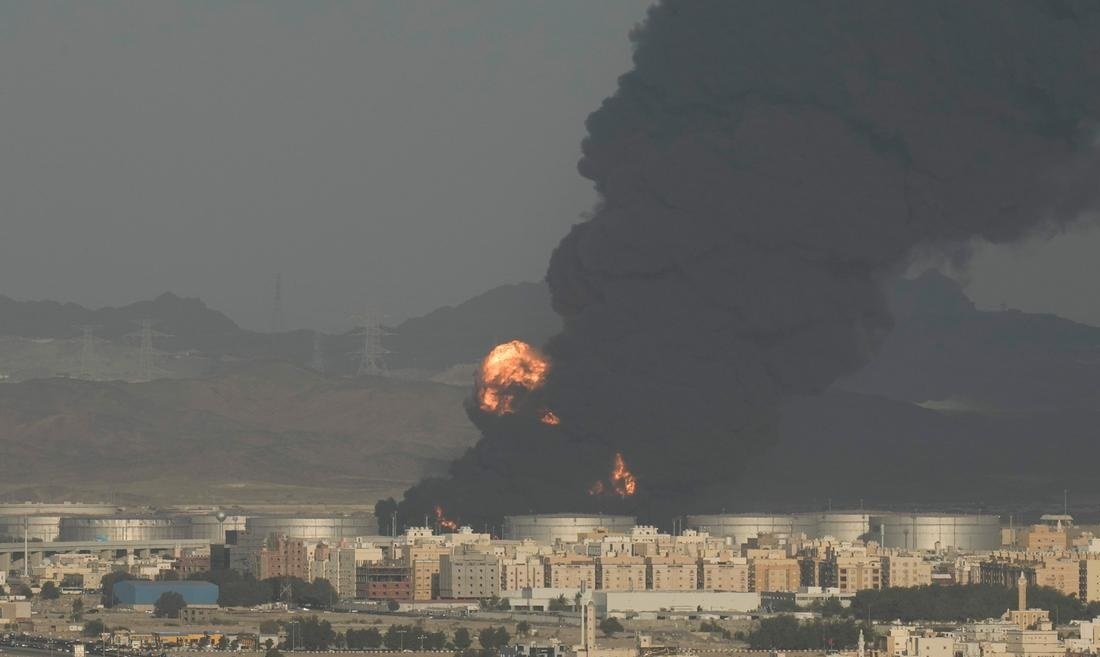
Manila. The government led by Philippine President Ferdinand Marcos Jr. has declared a national energy emergency. The declaration was made citing an "immediate threat" to energy supply due to escalating conflict in West Asia.
In an executive order issued on Tuesday, President Marcos stated that uncertainty in the global energy market, disruptions in the supply chain, and sharp fluctuations and increases in international oil prices could seriously affect the country's energy security.
The government has formed a high-level committee to manage the emergency situation, which will ensure the smooth supply, distribution, and availability of fuel, food, medicine, agricultural products, and other essential goods. The energy emergency declaration will remain in effect for one year. Under this, the government can purchase fuel and petroleum products, making advance payments if necessary, to ensure continuous and adequate supply.
According to Energy Secretary Sharon Garin, the Philippines currently has about 45 days of fuel reserves based on current consumption. She also informed that the government is preparing to increase storage by purchasing one million barrels of oil from countries within and outside Southeast Asia. However, she warned that there is a possibility of uncertainty in the upcoming procurement process.
Through the emergency declaration, the government will be able to expedite regular processes and make decisions as needed, which is expected to help mitigate the impact of fluctuations seen in the global market.
Meanwhile, President Marcos has directed the Department of Finance to coordinate with the central bank to closely monitor the impact of the West Asia conflict on the Philippines' currency (peso), foreign earnings (remittances), and potential currency devaluation.
This specific news has been automatically translated by AI. As a result, there may be some inaccuracies or language errors.