West Asia Conflict Disrupts Supply Chains, Causing Raw Material Shortages in Butwal Industrial Area
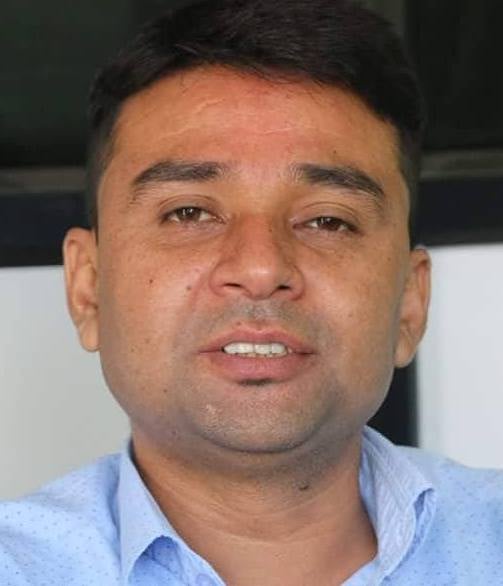

Butwal. Various industries located within the Butwal Industrial Estate are beginning to face shortages of raw materials. Industry owners state that the operation of industries is being hampered due to disruptions in raw material imports caused by the ongoing conflict in West Asia.
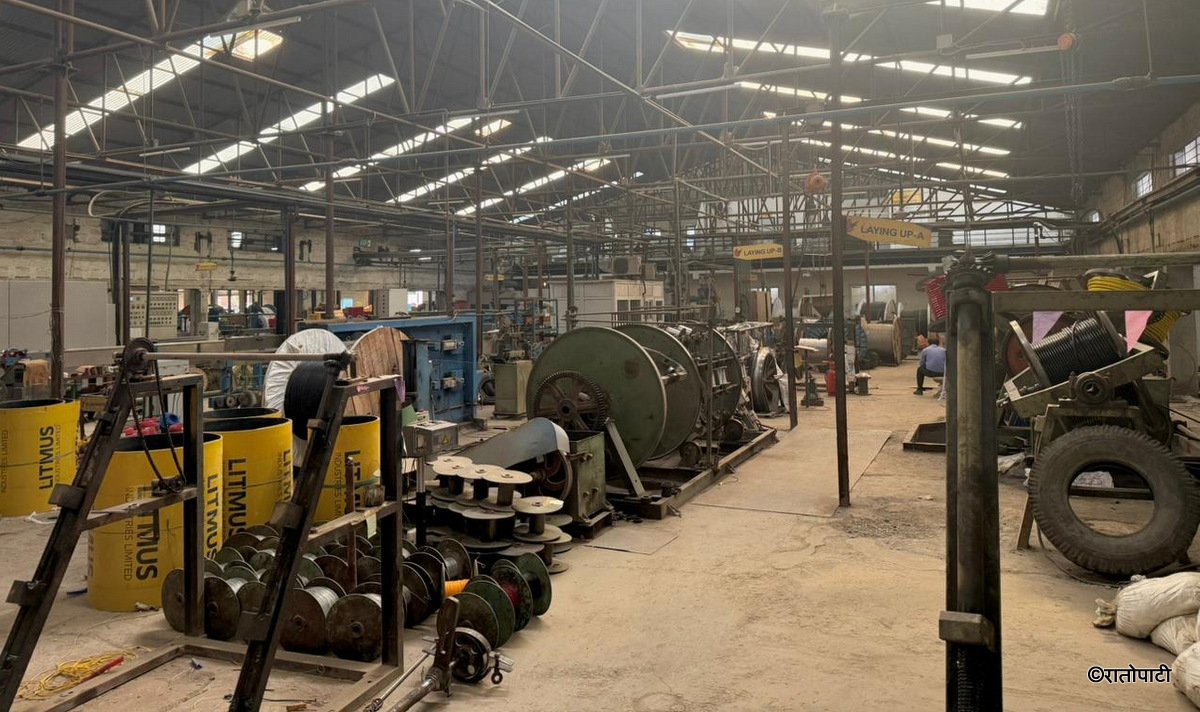
Litmast Cable Industry, situated in the Butwal Industrial Estate, manufactures wires. The company produces cables here by importing copper covering from Dubai and plastic-based raw materials from India.
Currently, raw material imports are facing difficulties due to the conflict in West Asia, and the price of plastic-based raw materials coming from India has increased.
Bhuwan Giri, manager at Litmast Industry, stated that the cost of wire production has increased, primarily due to higher freight rates caused by fuel prices and the rise in the price of plastic-based raw materials in the global market.
He said, 'Raw material imports from Dubai have stopped now. There is a situation where the cost of importing plastic-based materials from India has increased by more than 40 percent.'
This industry needs to import 10,000 metric tons of raw materials annually. Giri clarified that while the industry is currently operating somehow, there is uncertainty about how long it can continue operating this way.
Ejaj Alam, owner of Alam Plastic Industry and United Industry within the Butwal Industrial Estate, stated that recently, importing one ton of plastic raw material costs him over $700. He added that once the raw materials in the industry run out, there is no alternative but to halt production.
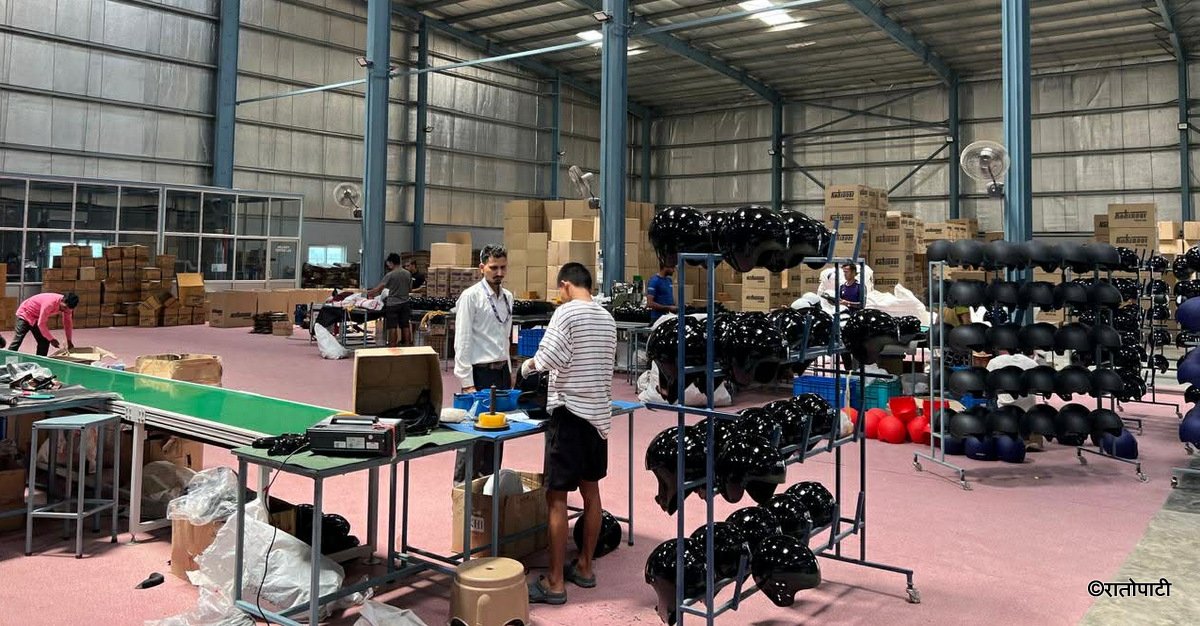
Kohinoor Plastic Industries, located in Tilottama Municipality-17, Rupandehi, has secured a good position in the Nepali market with the helmets it produces. The company imports necessary raw materials from abroad to manufacture helmets here.
Suman Bashyal, the owner of the company, stated that while raw materials coming from other countries have naturally become more expensive due to the conflict, there is uncertainty about how long they will even be able to import those expensive goods.
He clarified that plastic granules must be imported as raw material for visor production when manufacturing helmets, adding that the production cost is now starting to rise because the price of such materials imported from India has increased.
Deepak Acharya, manager at Butwal Industrial Estate Management Limited, stated that the production of Nepali industries has been affected by the West Asia conflict. He noted that most industries are facing problems with raw material imports.
Acharya mentioned a significant price hike, especially for raw materials used in plastic-based industries. He added that it has become difficult to import 'chemical'-based items required by almost all industries in the industrial area from countries other than India.
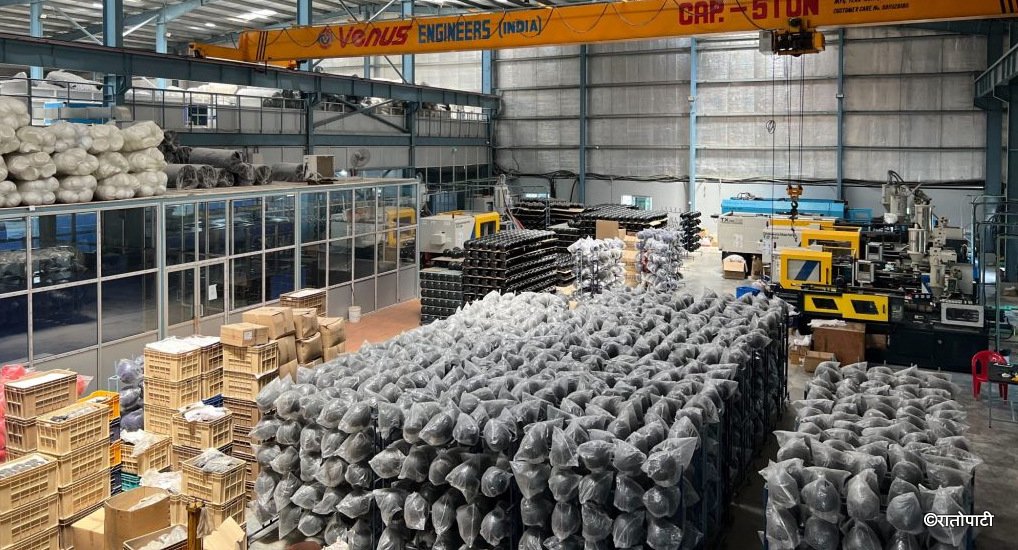
Hari Prasad Aryal, President of the Butwal Chamber of Commerce and Industry, informed that raw material shortages are beginning to appear in industries in areas like the Butwal Industrial Estate and the Bhairahawa-Parasi Industrial Corridor due to the impact of the West Asia conflict. He stated that while expensive raw materials lead to increased production costs and price hikes, if raw materials cannot arrive at all, there is no alternative but to shut down the industry.
Industries here usually import raw materials through the Belahiya border point. Uddhav Dhungana, Information Officer at Bhairahawa Customs Office, indicated a possibility of a decrease in raw material imports. He said that raw materials sent from the concerned countries before the war started are still arriving, but the process of importing raw materials is gradually starting to cease.
Industry owners claim that the price of essential raw materials for industries has increased by more than 30 percent.
Ejaj Alam, who is also the President of the Lumbini Province Industry Confederation, stated that the price of raw materials, which previously cost $900, has now exceeded $1600, which will lead to an increase in industrial production prices. He also informed that some industries have already been forced to stop production.
Upendra Agrawal, President of the Butwal Industrial Estate Industry Association, stated that plastic-based industries are facing difficulties in the first phase. He warned that if the situation persists for some more time, most industries in Nepal will be on the verge of closure.
He mentioned that due to rising fuel prices, difficulties in sourcing raw materials, and the high cost of the raw materials that are available, industrialists will be compelled to increase the prices of their products.
Nepali industrialists generally purchase plastic granules from Reliance and Indian Oil Corporation (IOC) in India.
Homraj Bhusal, Chairman of the Economic Research Center Lumbini, clearly stated that the current difficulties in importing raw materials will inevitably lead to some price increases.
This specific news has been automatically translated by AI. As a result, there may be some inaccuracies or language errors.

_Sw2x64Nala.jpg)