Japan Urges IEA to Prepare for Further Oil Release Amid West Asia Tensions


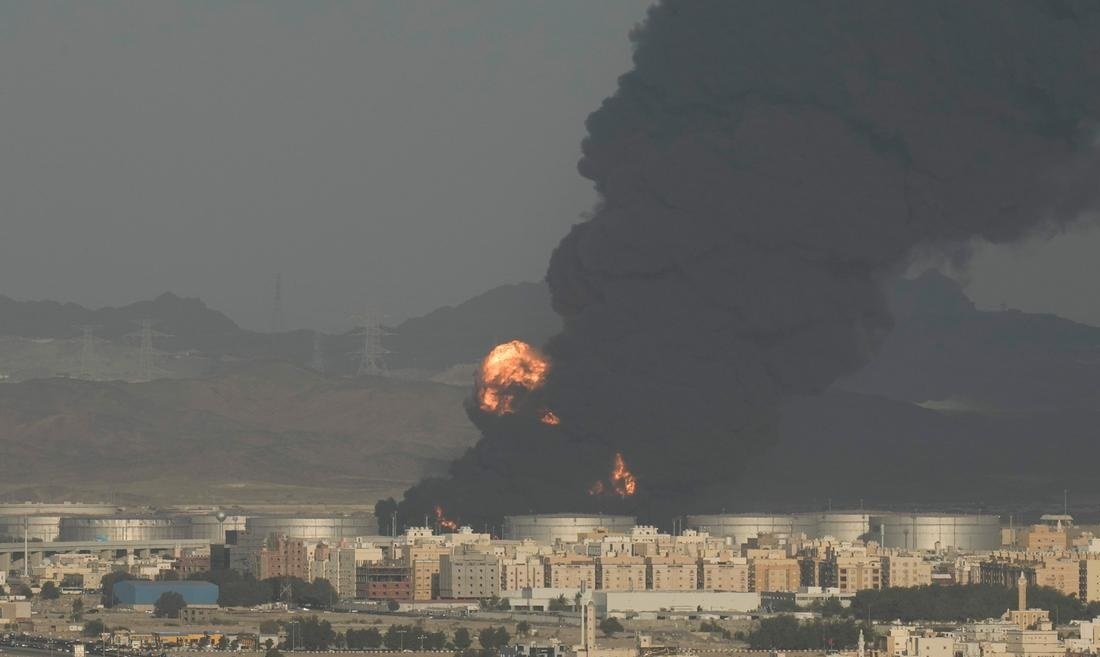
Tokyo. As pressure mounts on global energy security due to the ongoing conflict in West Asia, Japan has urged the International Energy Agency (IEA) to be ready to release additional oil reserves to the market if necessary. This move is seen as an attempt to preemptively manage a potential supply crisis.
Speaking in Tokyo, IEA Chief Fatih Birol also indicated that the agency is prepared to release further reserves depending on the situation. He noted that a large portion of the reserves released so far remains secure and that further steps could be taken if required.
“About 80 percent of our total reserves are still secure; the 400 million barrels released so far represent only 20 percent,” he clarified, “We are ready to move forward if necessary, but we also hope such a situation does not arise.”
Earlier, Japanese Prime Minister Sane Takaichi had urged the IEA to prepare to implement further 'coordinated releases' in light of the unstable situation in West Asia. Such a step is viewed as a cautious strategy as the risk of energy supply disruption increases.
The IEA decided earlier this month, in coordination with its member nations, to release approximately 400 million barrels of oil reserves to the market, which is considered the largest coordinated release to date. This aimed to alleviate supply pressure arising from the conflict in West Asia.
Birol mentioned that the world is facing serious energy security challenges and stated that the IEA will remain active in its role. According to him, the agency is ready to coordinate as necessary to maintain stability in the international energy market.
Energy security is particularly sensitive for Japan, as the country relies on West Asia for about 95 percent of its oil imports. Consequently, Tokyo has also accelerated emergency preparations domestically.
The government began releasing private sector petroleum reserves equivalent to 15 days last week, and preparations are underway to utilize government reserves starting Thursday. Furthermore, Prime Minister Takaichi announced plans to draw oil from joint reserves held by producing nations by the end of the month.
According to the Japan Petroleum Association, Saudi Arabia, the United Arab Emirates, and Kuwait hold joint reserves in Japan. While these reserves are normally used for commercial purposes, there is an arrangement allowing Japanese companies priority purchase rights in case of an emergency.
This specific news has been automatically translated by AI. As a result, there may be some inaccuracies or language errors.