Strait of Hormuz Blockade Threatens Global Food Supply Chain, Demands Immediate Diplomatic Action

‘Strait of Hormuz’ is a narrow passage only 21 miles wide. 25 percent of the world's commercial oil passes through this strait. Currently, all attention is focused there. Not only oil comes through the Strait of Hormuz, but also essential materials for fertilizer. This is connected to half of the world's food supply system.
Iran has created a blockade in the Strait of Hormuz in retaliation for attacks by the US-Israel on its country. Consequently, the supply of fertilizer has also stopped. The current four weeks is the time for farmers in the Northern Hemisphere to apply 'nitrogen' to their crops.
49 percent of urea and 30 percent of ammonia used in fertilizers sold worldwide come from the Gulf region. Farmers use this fertilizer to strengthen the nitrogen cycle in the soil, making high yields possible. As soon as the supply chain stops, it affects soil chemistry and farming decisions worldwide. The impact will not end immediately; it will last for the next few months.
Estimates are emerging that corn cultivation will be reduced in the coming season. Farmers are trying to increase soybean production instead of corn. Soybeans do not require as much nitrogen. Changes in cropping decisions like this guarantee a reduction in the yield of some crops even before the seeds reach the soil.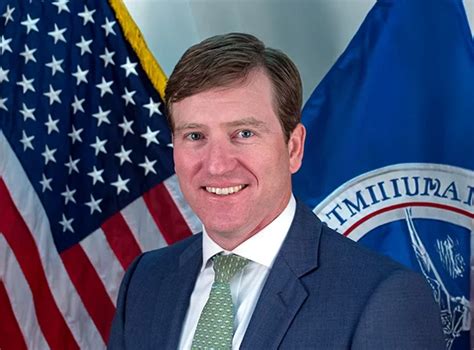
The problem is not only in Hormuz. Ukraine is added to this list. Even before the conflict started in Iran, the world's food system was under pressure. Currently, Ukraine and Russia account for a quarter of the world's wheat trade. People in the Middle East and East Africa have been facing supply problems for the last 3 years. The closure of Hormuz now is not stopping a system that was running smoothly before; rather, it is breaking down a system that was barely functioning due to various problems.
The calendar for agricultural damage runs on a weekly basis. In the next 3 to 4 weeks, it will be time to apply nitrogen for winter wheat planted in parts of the US, Europe, and the Middle East.
Similarly, the food security calendar runs on a monthly basis. Many countries dependent on imports have stored grains to avoid minor disruptions, but such grain reserves cannot sustain a disruption for an entire season. Countries in the 'Horn of Africa' are already beginning to face famine. As conflict and disruptions increase, this problem will only compound.
The geopolitical calendar, however, runs on a yearly basis. A 30 to 40 percent or more increase in food prices has been linked to political instability in weaker states within 6 to 18 months.
The question is what the Trump administration will do at such a time. In my opinion, the Trump administration must secure a ceasefire that ensures passage through Hormuz by any means necessary. Allowing ships carrying fertilizer and food to pass should be a precondition.
The $20 billion allocated by the U.S. International Development Finance Corporation addresses the impact of war on shipping, but it does not address the environmental and pollution liabilities that ships navigating waterways potentially riddled with hazards will face. The insurance sector also faces difficulties without 'Terrorism Risk Insurance' that covers the environmental risks in the Gulf region. This problem needs to be resolved before the market opens.
The U.S. Congress should consider authorizing strategic fertilizer reserves at this time. Urea and ammonia are not on the federal list of 'Critical Minerals.' There are no strategic stockpiles for them. No emergency authority covers them either. Congress must now address this as well.
There should also be no delay in mobilizing emergency assistance provided by the World Food Programme. Assistance from the World Food Programme must reach countries unable to withstand food and fertilizer supply disruptions before the impact of price hikes hits them. Currently, the infrastructure required to implement such programs is broken and in disarray. It is not possible to reorganize the U.S. Agency for International Development and its partner NGOs within 90 days. Currently, the World Food Programme, bilateral agreements, and private sector logistical arrangements are the only alternatives. They must understand the consequences if they do not start working immediately. Only then can they grasp the gravity of the situation and begin their work promptly.
If fertilizer cannot pass through the Strait of Hormuz for another two weeks, we will have no time left for debate. We will have to start sending aid to various countries. If the situation persists for four weeks, we will have to deal with the resulting instability. The time has come for us to act based on the agricultural calendar, not the diplomatic one.
(From Chris Krebs/ Financial Times)
This specific news has been automatically translated by AI. As a result, there may be some inaccuracies or language errors.
_Yq85YOxh21.jpg)