Kathmandu Metropolitan City Implements Community-Based Disease Surveillance System


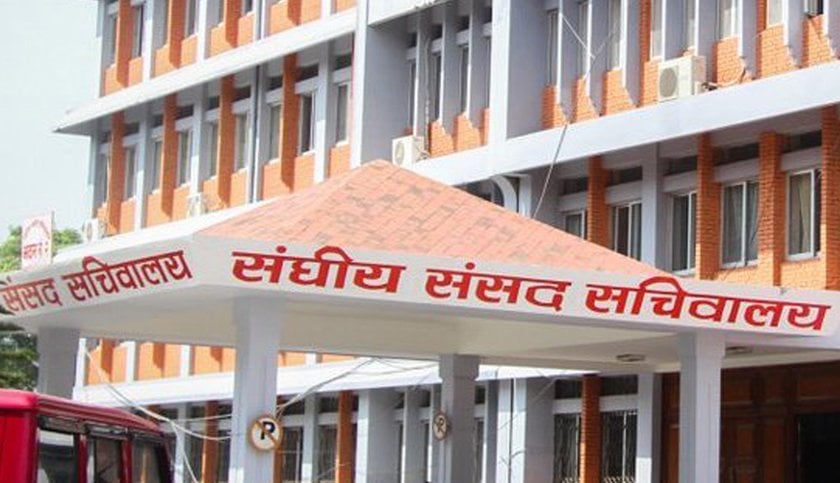
Kathmandu. The Kathmandu Metropolitan City (KMC) has implemented a community-based disease surveillance system to control epidemic diseases. The Metropolis provided a two-day training to health workers for implementing this community-based disease surveillance system.
The Metropolis's Health Department stated that an orientation program was successfully completed targeting health workers working in all urban health promotion centers, with support from the Epidemiology and Disease Control Division. Kaushalchandra Subedi, the disease surveillance focal person at the Division of Epidemiology and Disease Control under the KMC's Health Service Department, said that this system will be crucial for the early identification, monitoring, and control of diseases within the community.
He informed that the training provided participating health workers with skills in disease identification, data collection, risk assessment, and corresponding response actions. He mentioned that although disease surveillance systems are highly important in Nepal, their practice has not effectively expanded to the community level in recent years. He stated that significant loss of life and property was incurred during the COVID-19 pandemic due to a weak surveillance system.
He further informed that the Ministry of Health and Population has put 52 major infectious diseases on priority and advanced control strategies starting from Asar 2081. Furthermore, by issuing the 'Community-Based Disease Surveillance Guideline, 2082,' it has provided guidelines for implementing the disease control system at the community level. He informed that the training was organized according to that program. Now, a system has been established to immediately report any unusual health events seen in the community. Citizens can report if many people fall ill simultaneously, a new disease appears, livestock die abnormally, or symptoms like fever, diarrhea, or respiratory issues are widely prevalent, by contacting the nearest health facility or the 'Hello Health' hotline 1115.
Prakash Pariyar from the KMC Health Department stated that despite the accessibility of large hospitals in Kathmandu, health services have not reached the community level. He pointed out the necessity to shift towards a prevention-oriented strategy now, as the current health system is treatment-oriented. According to him, operating the disease surveillance system within the community will make it easier to prevent the spread of diseases and control them in a timely manner. He stated that this will play an important role in strengthening the overall health system of the Metropolis. He also mentioned that information about the disease surveillance system will be disseminated in all wards and communities.
Even after the implementation of the community-based disease surveillance system, information related to diseases will be collected, analyzed, and classified through a digital platform. A system has been arranged to mobilize rapid response teams divided into low, medium, and high levels based on risk. Furthermore, early warnings regarding infectious disease information published on online media can be received by utilizing AI technology. After the full implementation of this system, it is expected to contribute significantly to the rapid identification, control of infectious diseases, and mitigation of potential epidemics.
This specific news has been automatically translated by AI. As a result, there may be some inaccuracies or language errors.