Nepal Faces Cooking Gas Shortage Following US-Iran Tensions; Officials Urge Against Hoarding


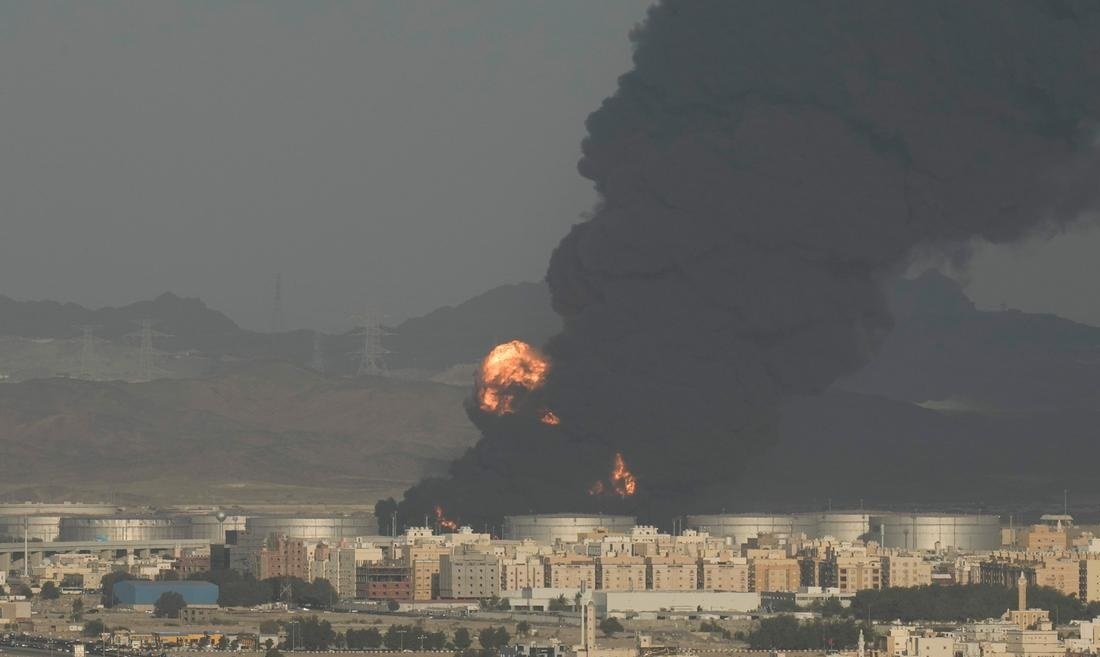
Kathmandu. Following joint air strikes by the United States and Israel on Iran, a sudden shortage of cooking gas occurred in the capital valley. The Nepal Oil Corporation (NOC), responsible for importing, transporting, storing, and distributing petroleum products in the country, directed bottling companies to release half-cylinders of gas into the market as an attempt to resolve the issue. However, consumers complain that gas is not easily available.
The NOC has been urging general consumers not to hoard unnecessarily, stating that the import of Liquefied Petroleum (LP) gas is continuous. Nepal consumes 46,000 metric tons of gas monthly, and imports are maintained at the same volume every month.
The ongoing conflict in West Asia is globally affecting the price and supply of petroleum products. Nevertheless, the NOC claims that the supply of petroleum products is being maintained at the usual volume.
NOC officials admit that shortages occur occasionally due to insufficient fuel storage in the country. The government has announced plans to build petroleum infrastructure capable of sustaining three months of demand. While storage capacity for diesel, petrol, and kerosene has been increased, there is currently no storage system for cooking gas.
NOC Executive Director Chandika Bhatta pointed out the necessity of investing in storage infrastructure to prevent gas shortages in the market. "Given the current situation, it is essential for Nepal to build LP gas pipeline and storage infrastructure sufficient for at least 30 days," he said.
The cost of transporting gas exceeds NPR 6 billion annually. The transportation cost is high because Nepal does not own its gas tankers. "Building gas pipeline and storage infrastructure will save billions," Executive Director Bhatta stated. "This will improve the supply system and ensure that general consumers can easily obtain gas."
Although there is a national policy to build infrastructure capable of meeting three months of petroleum demand, it has not yet been fully realized. Consumer rights activist Madhav Timilsina stated that the easy availability of gas is hampered by the ambiguity of the petroleum storage policy and the disorganized distribution system. He emphasized the need for increased electricity consumption, given our dependence on petroleum products.
Nepal has proposed to India the construction of a gas pipeline and storage depot from Motihari in India to Sarlahi in Nepal. "We made a proposal to the Indian Ministry of Petroleum through the Indian Oil Corporation a year ago for the construction of gas pipeline and storage infrastructure, but we have not received a response yet," Executive Director Bhatta said.
He mentioned that consumers have created some 'pressure' by hoarding due to uncertainty about 'what will happen next.' He added, "It was only that sometimes the tankers could not be filled quickly due to pressure while going to load gas; there is no problem with gas import." Concluding that the gas distribution process is gradually becoming smoother, the NOC is planning to send full cylinders to the market after one week.
This specific news has been automatically translated by AI. As a result, there may be some inaccuracies or language errors.