Expert Guide: Safety and Benefits of Exercise During Pregnancy


Kathmandu. It is considered very important for women to remain active during pregnancy. According to a report by the American Pregnancy Association, regular exercise helps keep the body fit during pregnancy and can improve the ability to cope with labor pain. Not only this, it also helps the body to recover quickly and return to its previous state after delivery. However, it is equally necessary to take some essential precautions during this time. Also, it is important to understand in which situations exercise should be avoided and which activities are considered safe. Let's learn about this in detail.
Is Exercise Safe During Pregnancy?
If you are healthy and your pregnancy is normal, meaning there are no complications, continuing or starting regular physical activity is considered safe. Exercising correctly does not increase the risk of miscarriage or premature delivery. However, it is mandatory to consult your doctor before starting any exercise. If your gynecologist permits exercise, do not forget to ask them which exercises are suitable for you.
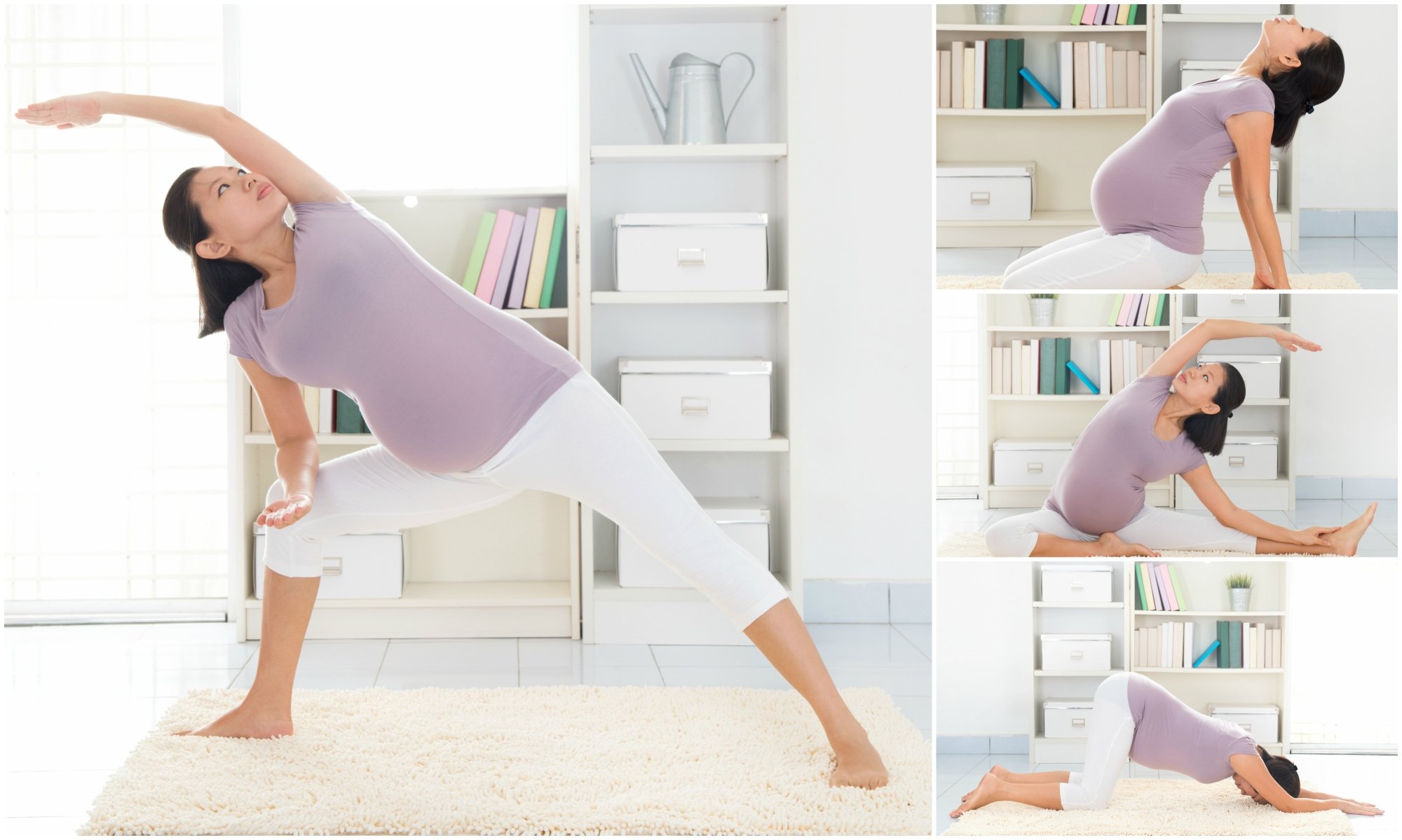
Benefits of Exercise
Exercising during pregnancy has many benefits, such as:
- Reduces back pain, constipation, and swelling.
- Helps prevent or treat gestational diabetes.
- Increases energy and improves mood.
- Improves posture.
- Increases muscle strength and endurance.
- Promotes better sleep.
- Regular exercise increases the ability to tolerate labor pain and helps the body return to its pre-pregnancy state after the baby is born.
Exercises Considered Safe During Pregnancy:
- Kegel exercises
- Walking
- Cycling (stationary bike)
- Swimming
- Yoga (suitable for pregnant women)
- Dancing (light intensity)
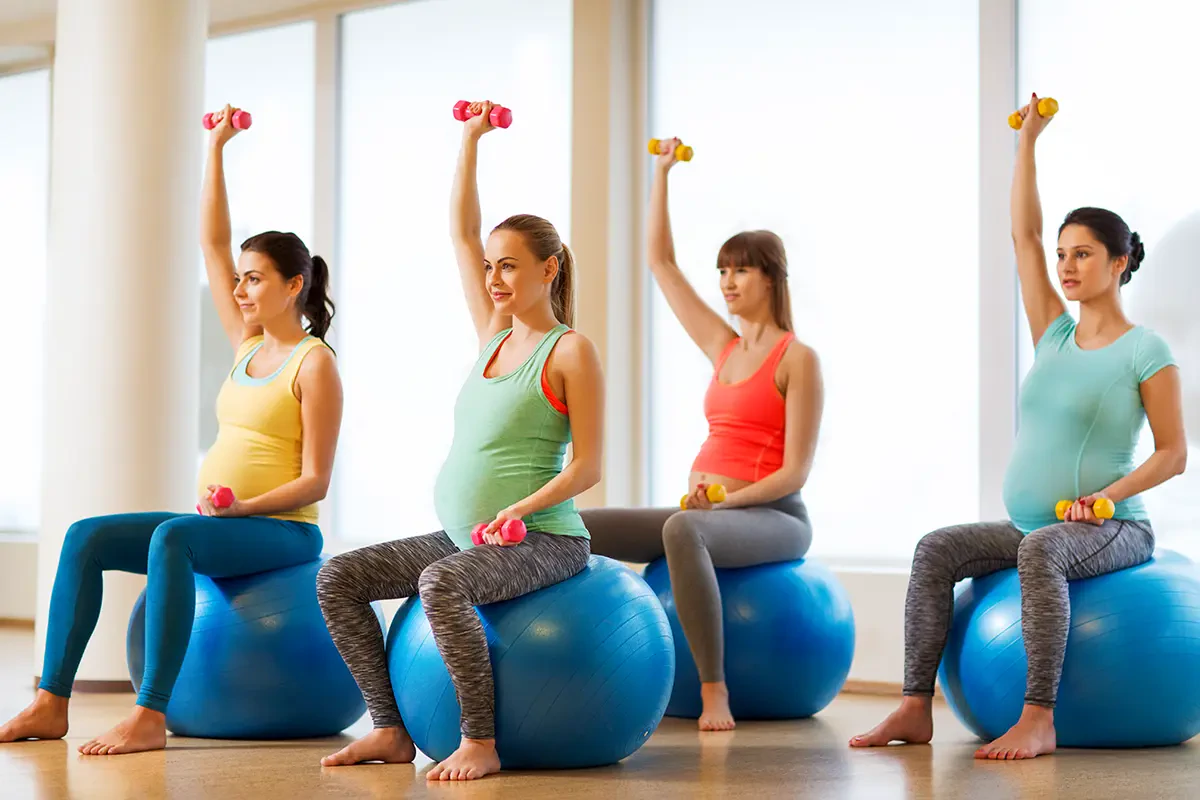
Which Exercises Should Be Absolutely Avoided?
Do not perform the following exercises or activities during pregnancy:
- Any physical activities with a risk of falling.
- Sports that carry a risk of abdominal injury, such as football, basketball, or activities requiring sudden changes in direction.
- Exercises involving excessive jumping or bouncing.
- Activities involving twisting the waist while standing.
- Workouts that involve holding your breath for long periods.
Rules to Follow
The American Pregnancy Association suggests taking the following precautions while exercising:
- Wear loose and comfortable clothing and use a supportive bra.
- Wear appropriate and well-fitting shoes for exercise.
- Always exercise on a flat surface to avoid injury.
- Consume a diet rich in adequate nutrients.
- Eat a light meal at least one hour before starting exercise.
- Drink plenty of water before, during, and after exercise.
- Get up slowly after exercises done while sitting on the floor to avoid dizziness.
Other Important Precautions:
- If you are starting exercise for the first time, start slowly and do not put too much pressure on your body.
- You can attend prenatal yoga classes specifically designed for pregnant women.
- Always listen to your body; reduce exercise if your body signals fatigue.
- Never exercise so much that you have difficulty breathing. This can be a sign of oxygen deprivation for both you and the baby.
- Do not exercise in hot weather or very hot places.
- Do not perform exercises lying on your back during the second and third trimesters, as this can reduce blood flow to the uterus.
In Which Conditions Should Exercise Be Avoided Completely?
According to Johns Hopkins, exercise is not considered safe in the following conditions:
- Reduced fetal movement.
- Dizziness or fainting.
- Heart disease or high blood pressure.
- Leaking amniotic fluid.
- A history of premature birth, either in the current or previous pregnancies.
- Vaginal bleeding.
- Severe difficulty breathing.
- A very fast heart rate (over 100 beats per minute).
Exercise is Also Necessary After Delivery
Exercising after the baby is born is also very beneficial for women. It helps maintain a good mood and reduces risks such as 'Deep Vein Thrombosis'. Furthermore, it helps in losing the weight gained during pregnancy. However, it is mandatory to consult a doctor regarding when to start exercising after delivery.
This specific news has been automatically translated by AI. As a result, there may be some inaccuracies or language errors.