Peacock Pose (Mayurasana): A Powerful Yoga Asana for Strength and Digestion

In today's fast-paced lifestyle, poor diet, and lack of physical exercise are gradually weakening the human body. It has become common to experience back pain, waist pain, and digestive issues, especially due to decreasing muscle strength.
In such a situation, Yoga has emerged as an effective solution. Among various yoga postures, 'Mayurasana' (Peacock Pose) is considered very powerful for strengthening the body. This posture, formed by combining the two Sanskrit words 'Mayur' (Peacock) and 'Asana' (Pose), is named Mayurasana because the body's shape somewhat resembles a peacock while performing it. This pose equally requires physical balance, strength, and concentration.
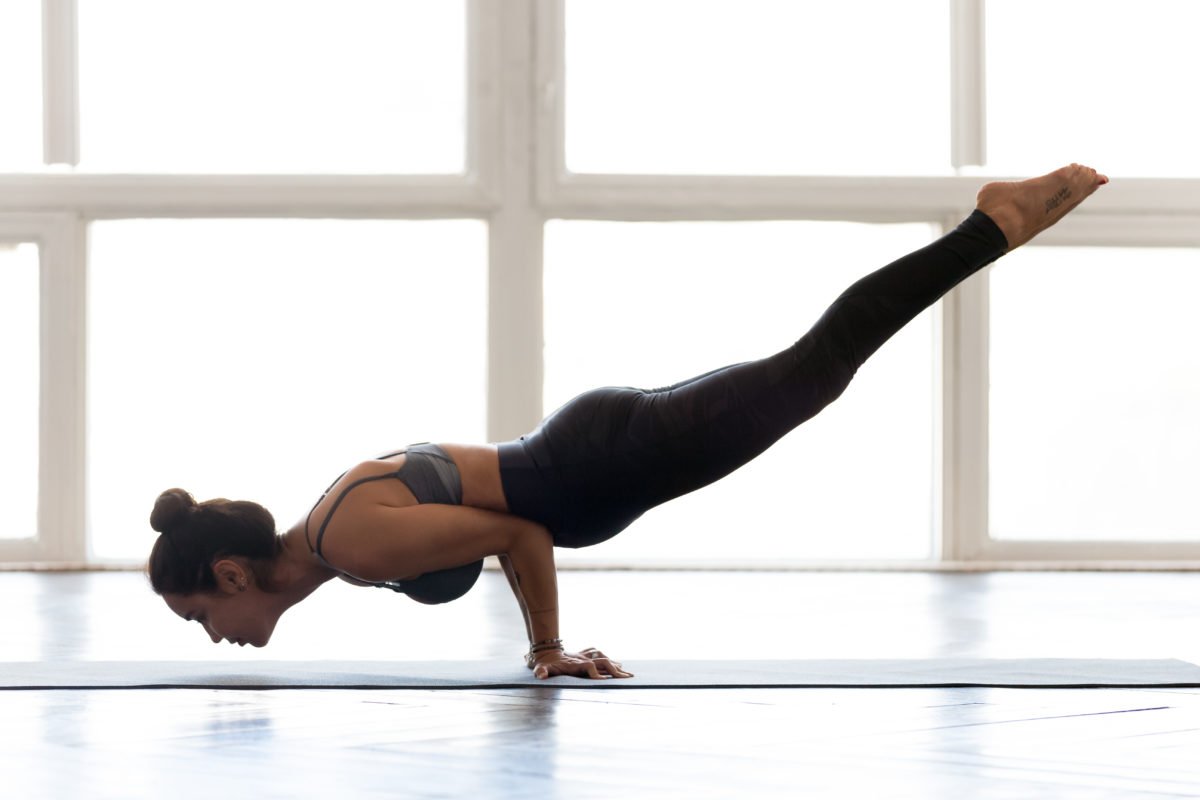
Mayurasana is considered an advanced level 'arm-balancing' yoga posture, where the entire body weight is balanced on the hands. While performing this pose, the elbows are kept close to the abdomen, and the entire body is lifted straight off the ground.
Its regular practice not only strengthens the body's muscles but also significantly improves the ability to maintain balance. It not only increases physical strength but also helps to sharpen mental concentration. It is an excellent exercise for those who wish to increase hand and shoulder strength.
The biggest benefit of this posture is seen in the digestive system. When the elbows press against the abdomen, the internal organs of the stomach are activated, improving the digestive process. This helps reduce chronic problems such as gastric issues, indigestion, and constipation.
Furthermore, this posture is also considered helpful in removing toxins accumulated in the body, keeping the body clean and healthy from within. Mayurasana is also considered effective in enhancing the functionality of the liver and kidneys.
Understanding the correct technique and precautions for performing Mayurasana is equally important. To perform this pose, one must first sit on their knees and place the fingers on the ground with the fingertips pointing towards the feet.
Then, bend the elbows, brace them near the abdomen, and slowly shift the body weight onto the hands. After that, extend the legs straight back and lift the entire body parallel to the ground. In the initial days, it is advisable to hold this pose for only a few seconds and gradually increase the duration.
Since this posture is somewhat difficult, it is appropriate to learn it under the supervision of a yoga expert. However, individuals suffering from high blood pressure, hernia, heart problems, or stomach ulcers should avoid this posture.
This specific news has been automatically translated by AI. As a result, there may be some inaccuracies or language errors.