G7 Energy Ministers Ready to Tap Strategic Oil Reserves to Stabilize Markets Amid Mideast Conflict

Kathmandu. As crude oil prices surge due to the ongoing war in the Middle East, G7 energy ministers have stated they are prepared to take 'all necessary steps' to stabilize the market, including using strategic oil reserves if required.
It is reported that they agreed on measures to secure energy supply and control price hikes in coordination with the International Energy Agency (IEA).
In a joint statement issued on Wednesday under the French presidency, the G7 energy ministers mentioned preparations to take proactive measures considering the current instability in the energy market. The statement also supported the use of strategic oil reserves as a potential measure.
French President Emmanuel Macron also informed that preparations are underway to convene a video conference of G7 leaders to discuss the economic impact arising from the Middle East conflict. It is expected that energy supply and the state of the oil market will be specifically discussed in that meeting.
Previously, on Tuesday, member nations of the International Energy Agency held an emergency meeting in Paris to review the state of supply security. They assessed the impact of the Middle East war on the global energy market and discussed the possibility of releasing emergency oil reserves if necessary.
The G7 energy ministers stated in their communiqué that close coordination continues with G7 member states, IEA member countries, and other partners. According to them, there is an agreement to implement all necessary measures in coordination with IEA member nations if required. Furthermore, it was mentioned that G7 members will carefully consider recommendations arising from the ongoing discussions.
However, French Economy Minister Roland Lescure stated that no formal decision has been made yet. According to him, it is necessary to send a clear message to the global market to secure energy supply.
Lescure added that if it is not possible to keep the Strait of Hormuz open, efforts will be made to maintain global market supply through oil coming from other sources. He expressed confidence that such a message would help reduce the uncertainty seen in the market.
Meanwhile, a report published by the Wall Street Journal on Tuesday mentioned that the IEA has proposed releasing the largest volume of oil reserves in history to control rising oil prices due to the war. This proposal could be larger than the 182 million barrels released by IEA member nations following Russia's invasion of Ukraine in 2022.
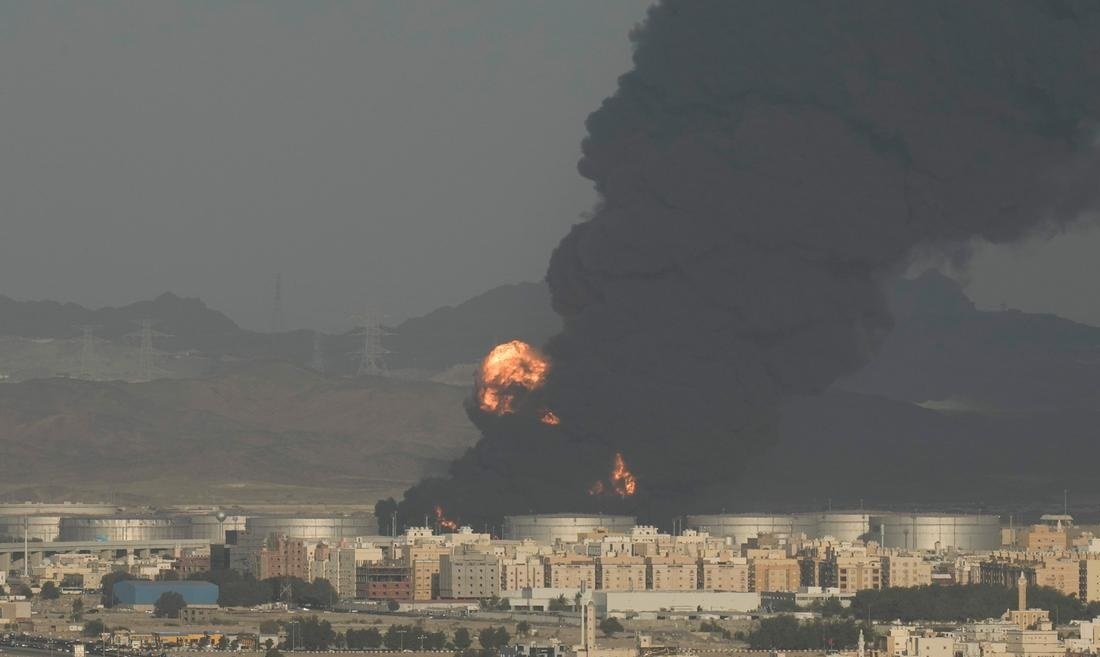
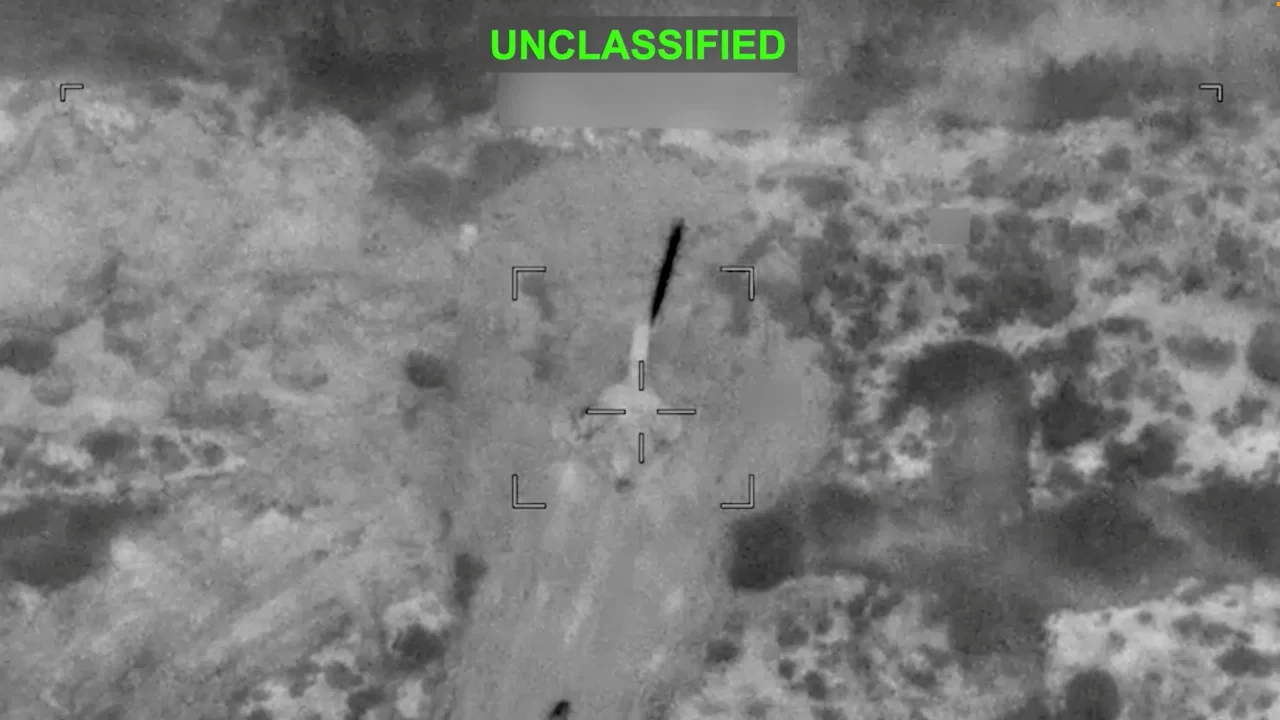
The IEA has not immediately responded to AFP's request for comment on this matter. The crude oil market has seen sharp fluctuations since the US and Israel began attacks on Iran late last month. In response, Iran has reportedly attacked targets in the oil-rich Gulf region and effectively obstructed the Strait of Hormuz, which is considered extremely important for global energy supply.
President Macron had signaled this week the possibility of G7 countries facing excessive oil price hikes by using emergency oil reserves if necessary. G7 finance ministers discussed this issue on Monday, followed by a meeting of energy ministers on Tuesday.
The oil market has started to stabilize somewhat following the Wall Street Journal's report. A positive impact was also seen in Asian stock markets on Wednesday. Currently, IEA member nations have approximately 1.20 billion barrels of publicly held emergency oil reserves. In addition, about 600 million barrels of oil reserves held by the industry sector under government directive are also available.
The Paris-based International Energy Agency was established after the global oil crisis of 1973 to provide a coordinated response during major supply disruptions. To ensure energy security, the IEA mandates its member nations to maintain emergency oil reserves equivalent to at least 90 days of net oil imports.
This specific news has been automatically translated by AI. As a result, there may be some inaccuracies or language errors.