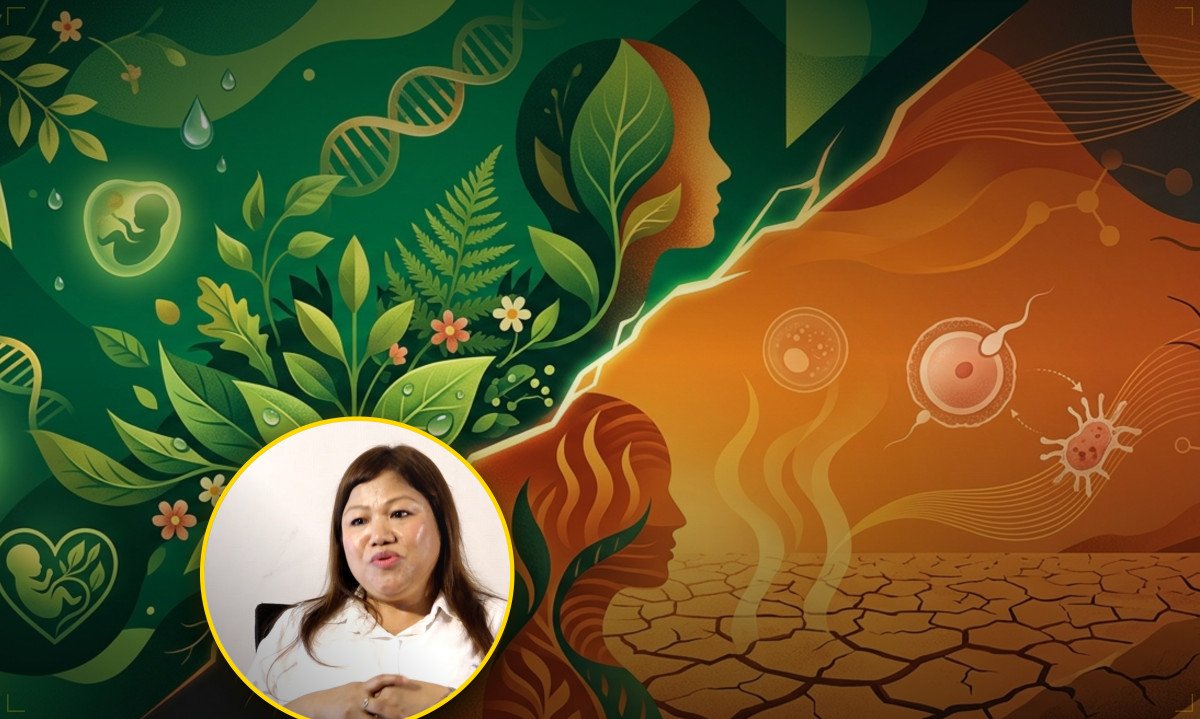
Biological and Lifestyle Factors Contributing to Women's Longer Lifespans Than Men


Kathmandu. An interesting fact is found in almost every country in the world—on average, women live longer than men. In many countries, this difference is found to be between 4 to 7 years. Scientists have long been trying to understand why this happens.
Is this merely a result of lifestyle, or is it due to deeper biological factors such as body structure, hormones, and genes? In recent years, many medical and biological studies have attempted to answer this question.
Research suggests that women's immune systems, hormonal structures, and behavioral habits help protect them from many diseases compared to men. This is why their average lifespan is longer than that of men.
1. Stronger Immune System
According to scientists, women's immune systems are more active than men's. This means their bodies can fight infections and many diseases better. One scientific study found that women's bodies are stronger compared to men of all ages. This is why the mortality rate among men is higher from many serious diseases.
2. Estrogen Provides Protection
The hormone estrogen, found in women's bodies, helps protect the heart and blood vessels. Many studies suggest that this hormone can reduce the risk of heart disease and stroke. This is also the reason why young women have a lower risk of heart attack compared to men.
3. Benefits of Two X Chromosomes
Women have two X chromosomes. Men have XY. Scientists believe that having two X chromosomes provides women with genetic protection. Even if one X chromosome has a defective gene, the other X can compensate for it. This genetic backup can protect them from many genetic problems.
4. Higher Risk-Taking Behavior in Men
Scientists have also found a significant impact of lifestyle. Studies show that men are more likely to smoke, drink alcohol, engage in risky activities, or be involved in accidents, which increases their mortality rate. In contrast, women often take better care of their health and get regular check-ups with doctors.
5. Different Disease Patterns
Research shows that while men are more likely to suffer from fatal diseases like heart disease or lung disease, women are more likely to suffer from non-fatal but chronic diseases. This means women can live longer even if they contract diseases, whereas men face a higher risk of death from fatal illnesses.
This specific news has been automatically translated by AI. As a result, there may be some inaccuracies or language errors.