US and Israel Used Hacked Traffic Cameras to Target Iran's Supreme Leader in Coordinated Attack

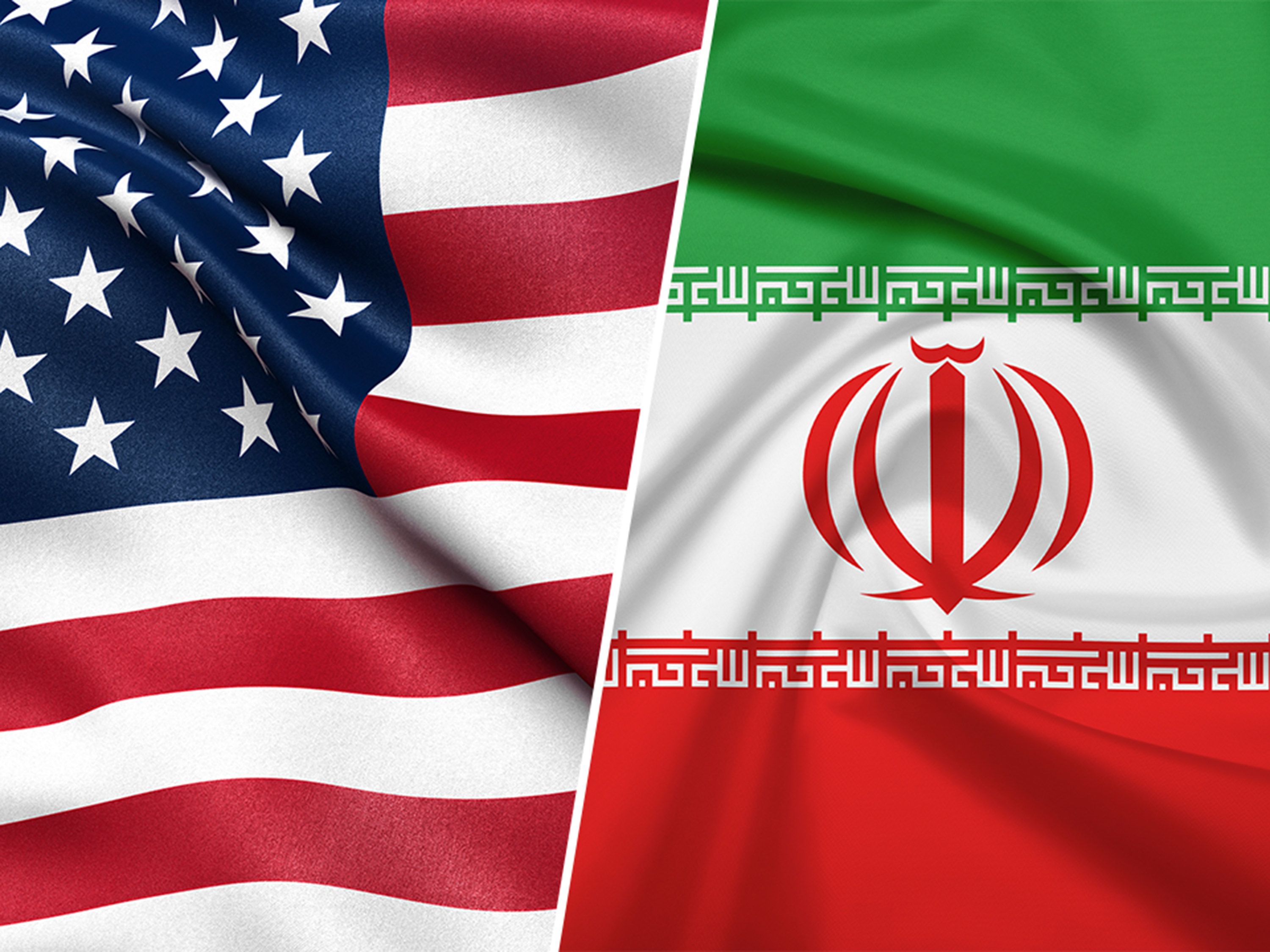
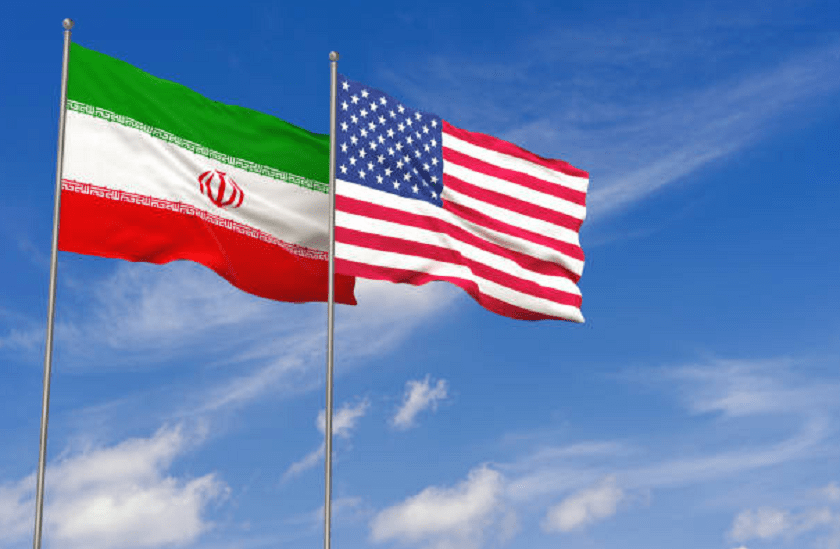
It has been five days since the United States and Israel jointly assassinated Iran's Supreme Leader, Ayatollah Khamenei. While nuclear talks with Iran were ongoing, the two countries suddenly raided Tehran on Saturday, killing Khamenei inside the compound of his own residence. Currently, the US and Israel are raiding Iran, and Iran has not stopped targeting US military camps in the Middle East.
The US and Israel utilized real-time traffic cameras placed on the streets of Tehran to assassinate Khamenei. It has now been revealed that these cameras were hacked years ago. An Israeli official stated that the hacking facilitated the creation of a detailed map of Tehran, established an attack pattern, and constructed a dense, complex picture of what was happening inside the enemy's capital.
The cameras were just one part of a highly complex system, some details of which were first reported by The Financial Times, which allowed Israel to build an AI-powered 'target generation machine' familiar with the subject. This machine could process vast amounts of data, including visual intelligence, human intelligence, signals intelligence, intercepted communications, satellite imagery, and more. It helped produce 14-digit coordinates from data processing. Powerful computers were necessary to process, sort, and analyze the data to obtain raw information and achieve the results Israel desired.
This system, created over the past decade, required manpower to verify attack recommendations and refine processes, thus involving technicians, data analysts, and engineers. This demonstrated Israel's long-standing infiltration into Iran's inner circles, enabling them to assassinate top Iranian nuclear scientists and officials, steal the country's nuclear archives, and kill Hamas's political leader in Tehran over the years. This system was extremely helpful for Israel.
The Israeli Defense Forces demonstrated similar capabilities in the initial attack at the start of the 12-day war between Israel and Iran last June. According to a second Israeli source, many high-ranking military officials in Iran, including the head of the Islamic Revolutionary Guard Corps and a close aide to the Supreme Leader Ayatollah Ali Khamenei, were killed with the help of this system.
This same system was used again when the US and Israel launched a major joint attack against Iran on Saturday morning. The primary target was Iran's now-deceased Supreme Leader Khamenei, whom Israeli officials believed would feel less secure during the day. Defense Minister Israel Katz had previously stated that Israel did not have an opportunity to target the Supreme Leader in June. At that time, he was likely taking refuge in underground bunkers and remained silent. However, now an opportunity arose not only to target Khamenei but also to eliminate Iran's top security and military leaders, many of whom were replacements for those killed in the Israeli attack in June.
Despite the US and Iran being engaged in talks regarding Tehran's nuclear program, Israeli Prime Minister Benjamin Netanyahu believed the talks were certain to fail. The Trump administration offered shifting responses regarding what it wanted from the talks, but Israel always felt there would never be enough common ground to reach an agreement, and certainly none that Netanyahu would find acceptable.
Khamenei was the longest-serving leader in Israel's view. He spent most of his political career campaigning about the dangers of a nuclear Iran. The time to strike Khamenei was approaching. On February 11, Netanyahu met with President Donald Trump at the White House. Their private discussion lasted nearly three hours, and they released only one photograph.
As CNN previously reported, the conversation was not about ongoing Iran talks, but rather what would happen if those talks failed. Netanyahu provided Trump with updated intelligence on Iran's military capabilities. The meeting followed a series of high-level military and intelligence discussions between the US and Israel after the plan for a joint US-Israel attack came to the forefront.
At 3:38 PM Eastern Time on Friday afternoon, Trump ordered the initial strikes to commence. The message from top US official General Dan Keane was, 'Operation Epic Fury is approved. It will not be canceled. Good luck.'
'This was a daylight strike based on a trigger event carried out by the Israeli Defense Forces. The US intelligence community enabled this,' Keane told reporters at a briefing on Monday. However, he did not provide further details. He was likely alluding to the Israeli objective that resulted in the killing of Khamenei and many of Iran's top leaders, which also attracted US intelligence to pinpoint the location of Iran's Supreme Leader within his compound.
Khamenei's status was unknown for several hours after the attack. But even without confirmation of Khamenei's death, Israel grew increasingly hopeful about the outcome of the attack as time passed. On Sunday morning, an announcer on Iran's state TV tearfully announced, 'Iran's Supreme Leader has attained martyrdom.'
This specific news has been automatically translated by AI. As a result, there may be some inaccuracies or language errors.