Bankariya Community in Nepal Faces Eviction Threat as Land Lease Expires Without Ownership Title

Musedhap in Manahari Rural Municipality-4, Makwanpur, is home to the settlement of the endangered Bankariya community. This settlement comprises about 28 households. Basic infrastructure has reached this, the only settlement of the Bankariya community in Nepal.
The Bankariya community, which has been moving towards a more social lifestyle with time, currently sustains itself through farming, animal husbandry, poultry and goat rearing, carpet weaving, and daily wage labor. Electricity and water are available regularly in their homes. There is a secondary school nearby (Pashupatinath Secondary School) for the children to attend. Children of the Bankariya community regularly go to school. There is a vaccination center in the village for newborns. They receive regular medical treatment from the health post.
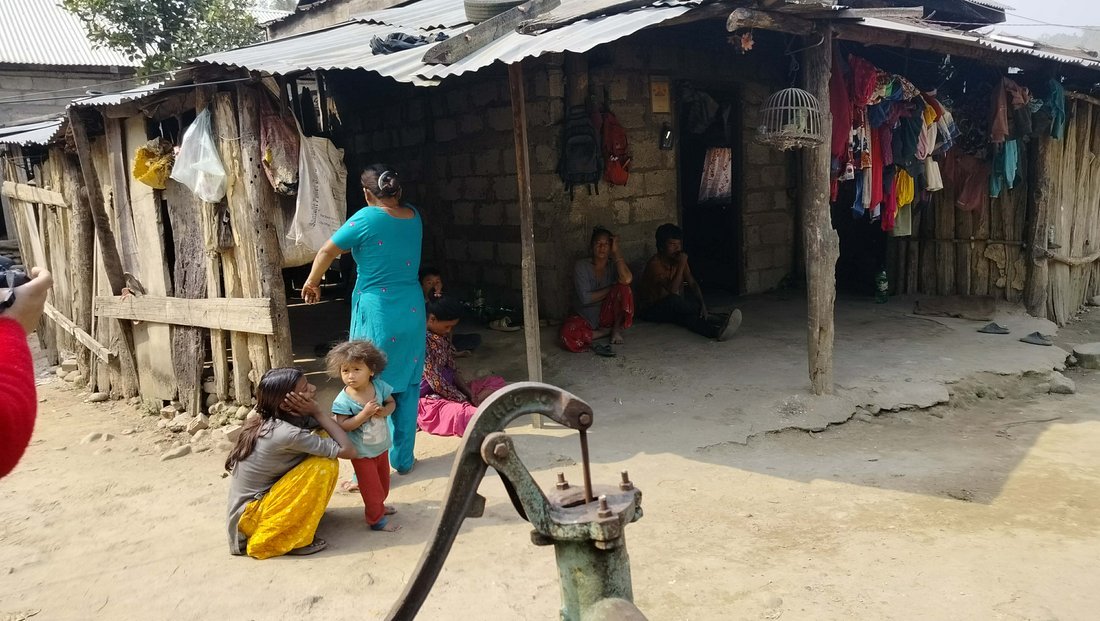
For those willing to work, a soap industry operates within the settlement, and they also engage in carpet weaving and agricultural work. The Bankariya residing in this settlement, spread over about 10 hectares, have access to transportation right at their doorsteps. A road has been constructed along the bank of the Masine River by building a dam.
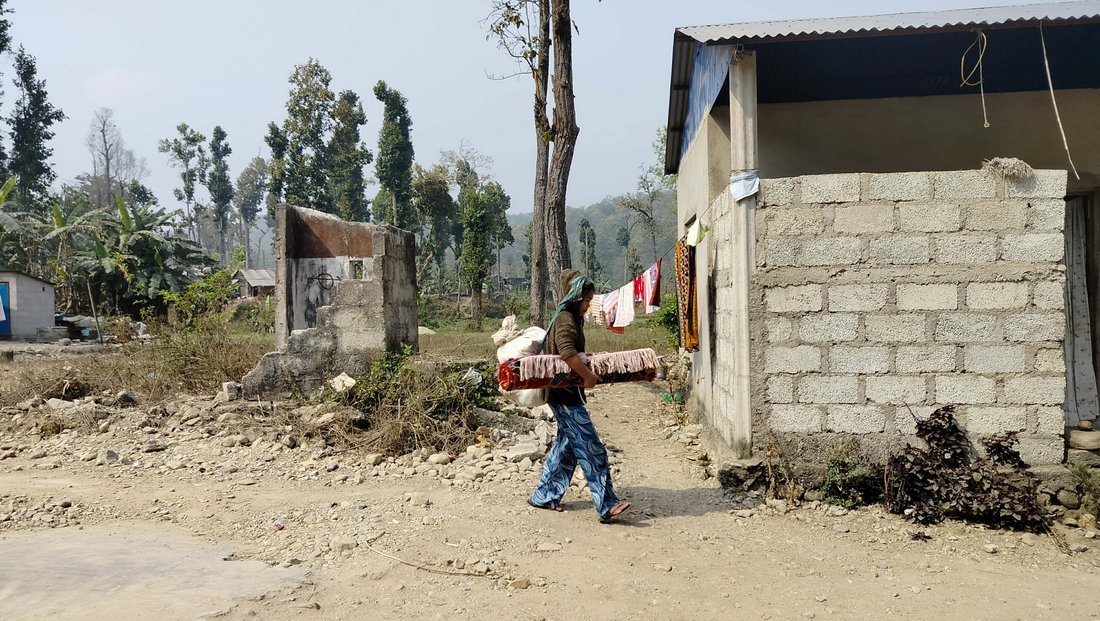
Two-room concrete houses have been built through the Bankariya Integrated Settlement Development Program with support from the Bagmati Province Government, the Rural Municipality, and the Ward Office. However, they do not possess the land ownership deeds (Lalpuja) for the land they occupy. Most Bankariya families have built their homes on about 12 Dhur of land, while some have cultivated land by utilizing forest areas.
Matriarchy prevails in the Bankariya community, where women hold the position of head. Currently, Santamaya Bankariya serves as the chief of the community. Before her, Dhanmaya Bankariya was the chief.
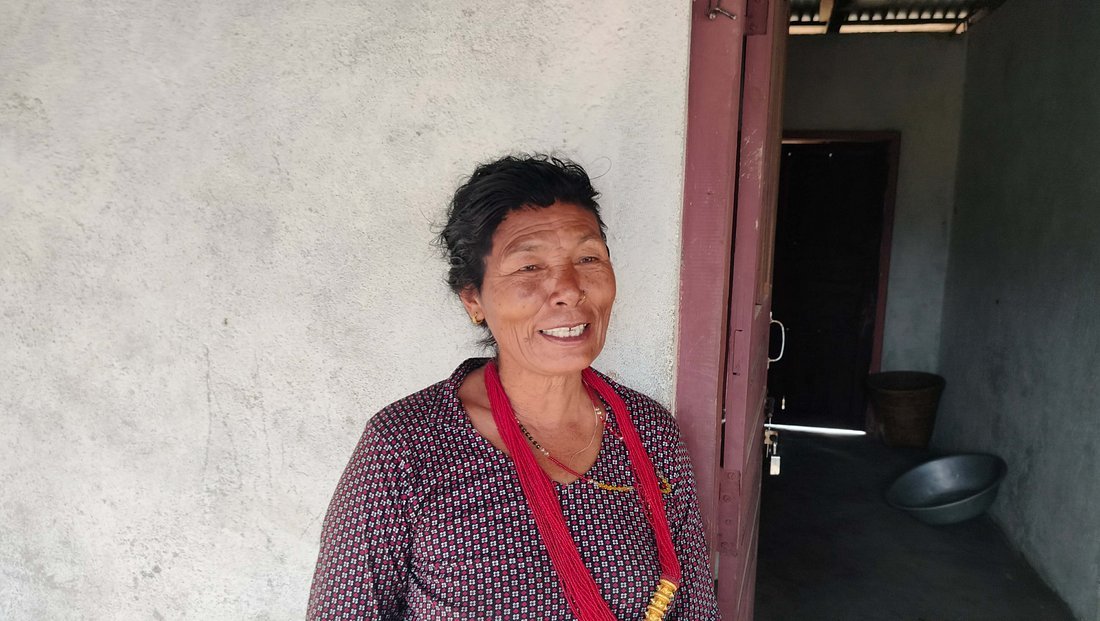
The government relocated them from the Chure hills to the community forest in Musedhap. Santamaya wishes that she does not have to return to the Chure hills. Most of Santamaya's life has been spent struggling to obtain ownership of the land in Musedhap. Before her, Dhanmaya was also active in fulfilling her dream of making her children landowners. However, her dream remained unfulfilled. She passed away at the age of 87. After Dhanmaya's demise, the responsibility fell upon Santamaya's shoulders. Santamaya has 9 children; some were born in Musedhap, and some in the Chure hills.
- Deadline Expires in Chaitra
The time limit for the residential permit granted by the state for 20 years is set to expire in the coming Chaitra (mid-March to mid-April). With the deadline approaching and still lacking land deeds after two decades, the 28 Bankariya households live in fear of displacement. They state that although they have heard many assurances, the lack of resolution is causing their trust in the state to diminish.
The Bankariya community, who previously lived a nomadic life in the Chureghanch area, subsisting on thatched huts and wild tubers, were provided with 9 hectares of land through the District Forest Office in 2062 BS (2005/2006 AD). That 20-year period ends on Chaitra 28th. However, even after two decades, they have not received the land ownership deeds for the land they have been occupying. They express disappointment, stating that every election brings hope and assurances, but the problem remains unresolved.
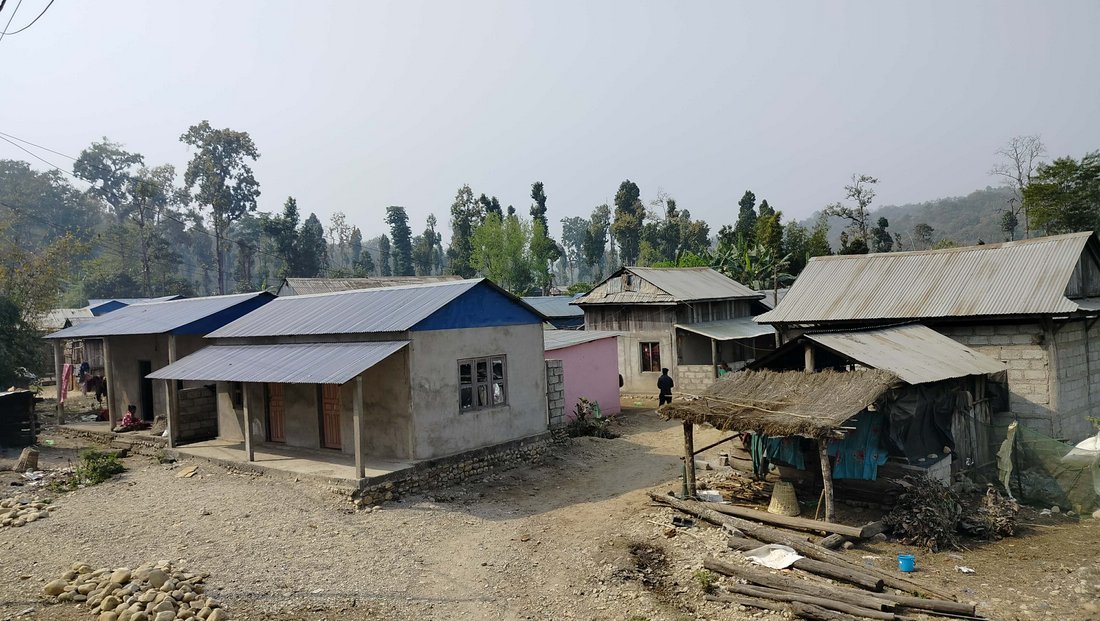
As the country enters an election atmosphere, political party flags and candidates' promises have reached the Bankariya settlement. However, the residents show more anxiety and uncertainty than enthusiasm.
- Generations Change, Assurances Do Not
The elderly in this community are more worried about the future of their children than their own lives. Those who hoped to see their land regularized while they were alive are now fearful that their children might not receive the deeds either. For this cause, they have visited local, provincial, and federal government offices numerous times. During the struggle for land deeds, Thulimaya Bankariya, a leader of the Bankariya community, passed away. Even now, the elders in the settlement worry, "How will our children's future be secure after we are gone?"
The settlement chief, Santamaya Bankariya, has voted five times so far. Her sole demand is the guarantee of residence.
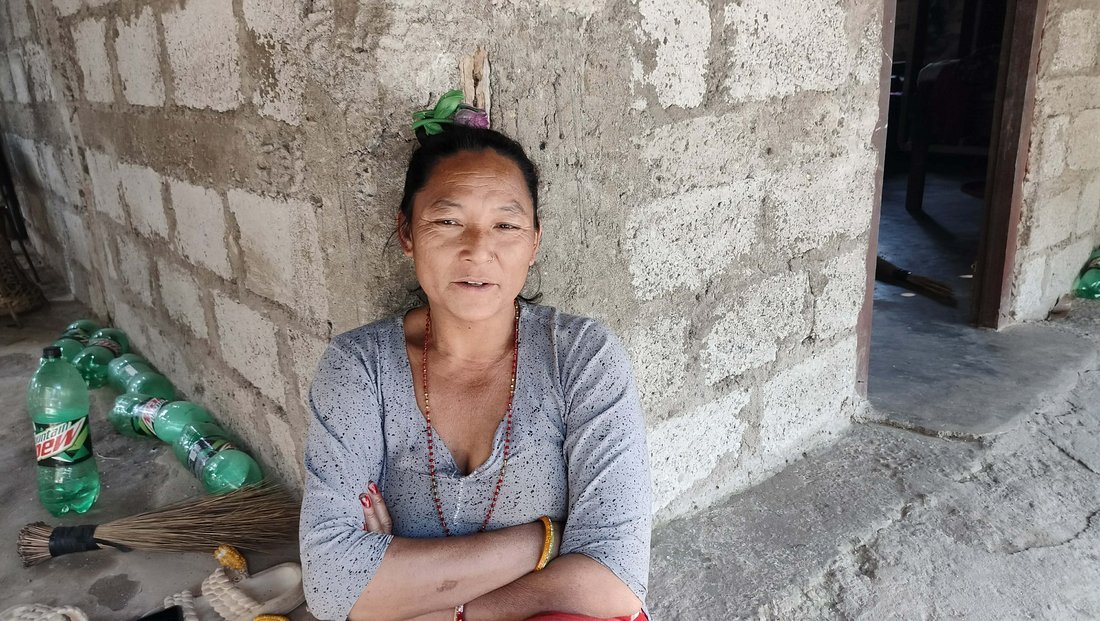
"Elections come and go, but our main problem remains this right to land," she said. "Our residency permit expires in Chaitra. We don't have the deeds in hand; if someone tells us to leave tomorrow, where will we go?"
Kamala Waiba shares a similar plight. She is the daughter of the former chief, Thulimaya Bankariya. "My mother spent her entire life fighting for the land deeds but could not succeed," she said.
Kamala mentioned that she does not even feel like going to vote in this election. "When they ask for votes, they promise things. After winning, none of them return," she said.
- Struggle for Livelihood
The economic condition of the Bankariya community is still extremely weak. Even after two decades since moving from the forest to the settlement, they have not become fully self-reliant. According to Santoshi, men in the community engage in daily wage labor and driving, while women are involved in carpet weaving and soap making. However, the soap industry is not running well due to a lack of packaging and market access, according to her.
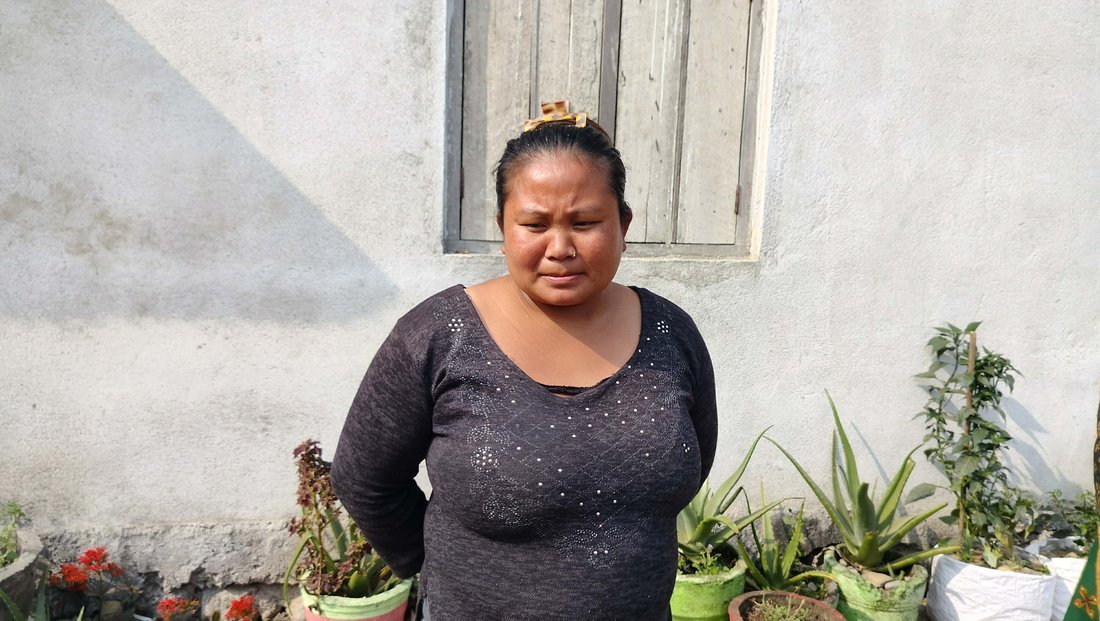
"Farming is not enough for the whole year. It barely lasts for 4 months. The rest of the time, we have to buy food," Santoshi said. "There is no environment for doing business. The soap industry was established with the support of organizations and the ward office, but the achievement is not as expected. We cannot even register the industry. We received permission to operate the industry based on the recommendation of the Ward Chairman. Currently, we are facing problems with packaging."
Sangeeta Bankariya, 24, is a new mother of two children. Her husband, Anil Bankariya, drives a Bolero vehicle. His name is not on the voter list. She stated that although she has obtained citizenship, she hasn't been able to register her name due to childcare and household chores. According to her, only about 36-37 voters are registered among the 28 households in the Bankariya community. She says that many remain outside the mainstream of the state because they lack citizenship or their names are not on the voter rolls.
Dhanmaya Praja, while tending to local chicken chicks, says, "They tell us to vote for them, promising land deeds, but after the election, the leaders go elsewhere, and we remain where we are."
According to the youth Anil Bankariya, the root of the Bankariya community's problem is linked to the 'Buffer Zone.' He states that they are unable to obtain land ownership because the Bankariya settlement falls within the buffer zone of Chitwan National Park, and due to related laws.
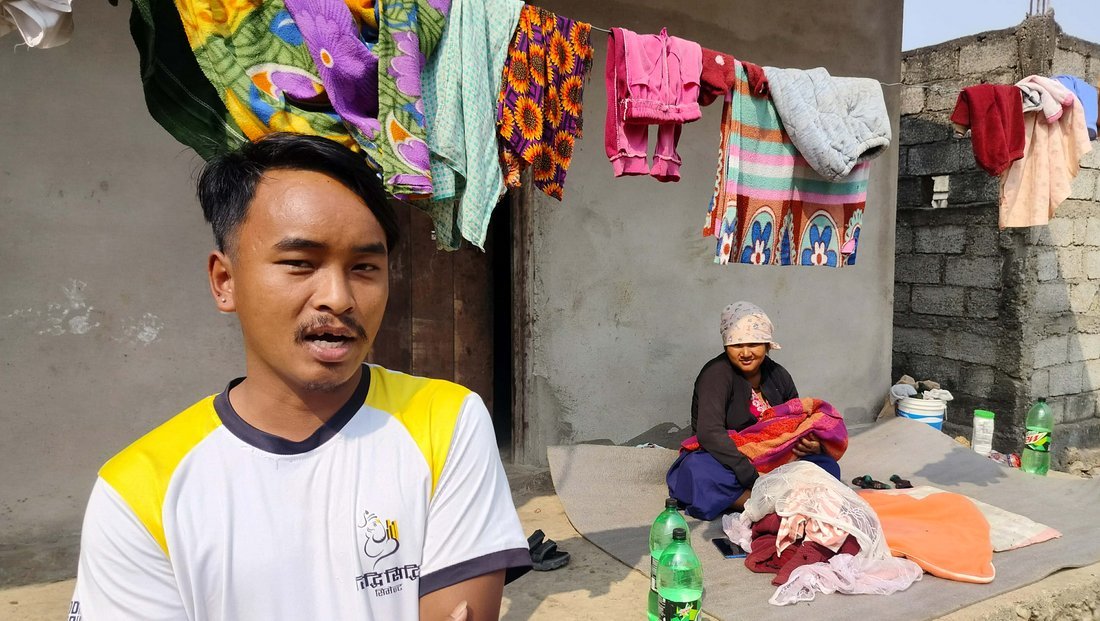
"We went to Kathmandu with the Ward Chairman and met 3-4 ministers. Everyone says they will resolve it during their tenure. But when the minister changes, the discussion starts all over again," he said. "This time, 5 to 7 political parties have entered the settlement with new promises. But there is no basis to fully trust any of them. We have said that we now want a guarantee, not just assurances."
This specific news has been automatically translated by AI. As a result, there may be some inaccuracies or language errors.