Locals Remain in Limbo Over Motipur Industrial Zone Amid Displacement Fears


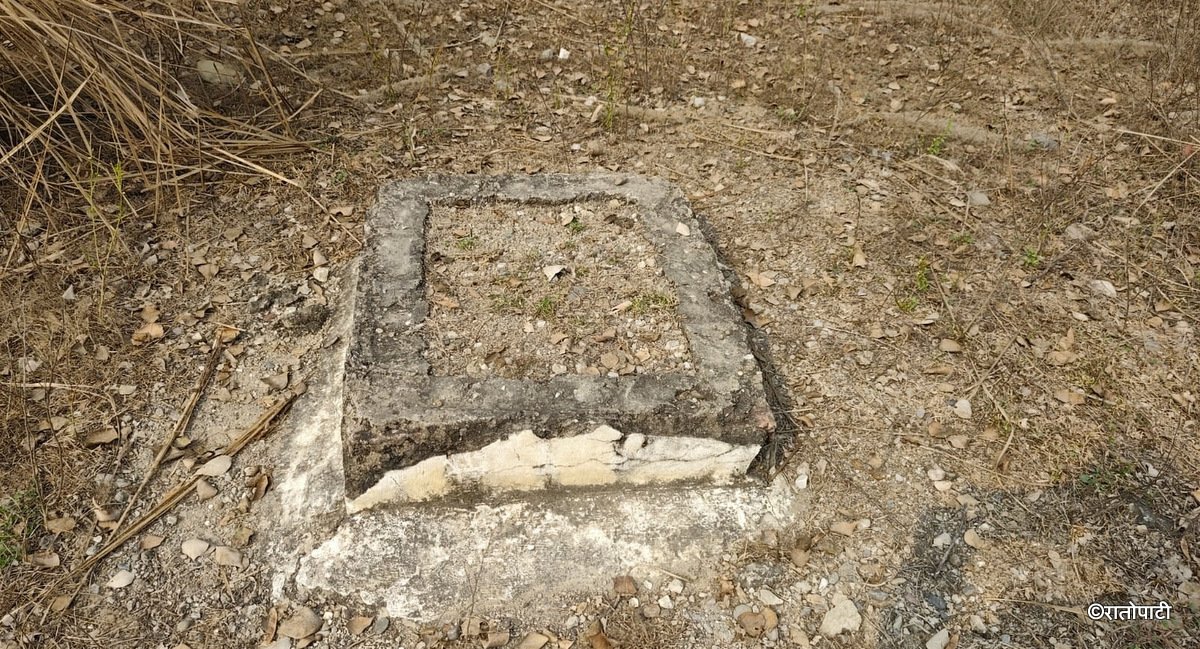
Kathmandu. A major obstruction occurred during the foundation stone laying ceremony for the proposed Motipur Industrial Zone in Rupandehi. In 077 BS, the then Finance Minister Bishnu Prasad Paudel and the then Industry Minister Lekhraj Bhatt jointly laid the foundation stone, mobilizing police despite local protests.
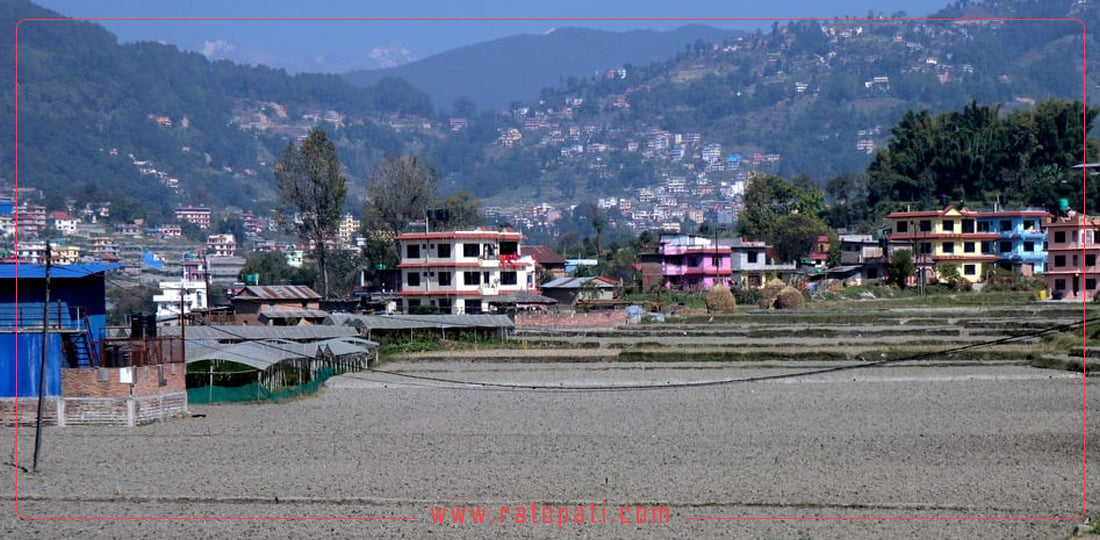
Even after the foundation stone was laid, no further work has progressed regarding the establishment of the industrial zone. The process of constructing necessary infrastructure for the industrial zone has stalled due to strong dissatisfaction among local residents regarding the government's demarcation map.
Residents living near the area designated as the industrial zone protested the demarcation. They took to the streets in protest, fearing displacement as the area where they have lived for decades would be incorporated into the industrial zone.
Subsequently, the matter was calmed down with assurances that the process to change the map for the industrial zone would be advanced, but no further decision has been made. Locals are in a state of uncertainty about whether industries will be established in that area, and whether their residences will be lost or retained.
Ratopati conducted on-site reporting in various parts of the country regarding the agendas candidates are carrying for the House of Representatives elections and the expectations of the voters. During that time, residents around the Motipur Industrial Zone mentioned a lack of employment opportunities. As they raised the issue of job scarcity, we inquired with them about why they protested during the foundation stone laying ceremony of the Motipur Industrial Zone.
Locals' Grievance - We Need Residences as Well as Employment
Local residents protested the foundation stone laying at that time due to concerns about their residences being uprooted. They have not allowed any work, including physical construction, to proceed in that area.
However, they state that they are not opposed to the establishment of industries. They clarified that their stance is not against opening industries and factories. They stated that their demand is that the industrial zone should not be established by uprooting their residences where they have lived for decades. They clarified that they were forced to protest because land they have occupied for decades was included in the demarcation, even though there is sufficient government land available for the construction of the industrial zone.
Keshavraj Pandey, from Butwal Sub-Metropolitan City-17, argues that the opening of industries would benefit not only this area but the entire country. However, he stated that the government is facing opposition due to its stubbornness when there is no necessity to displace local residents.
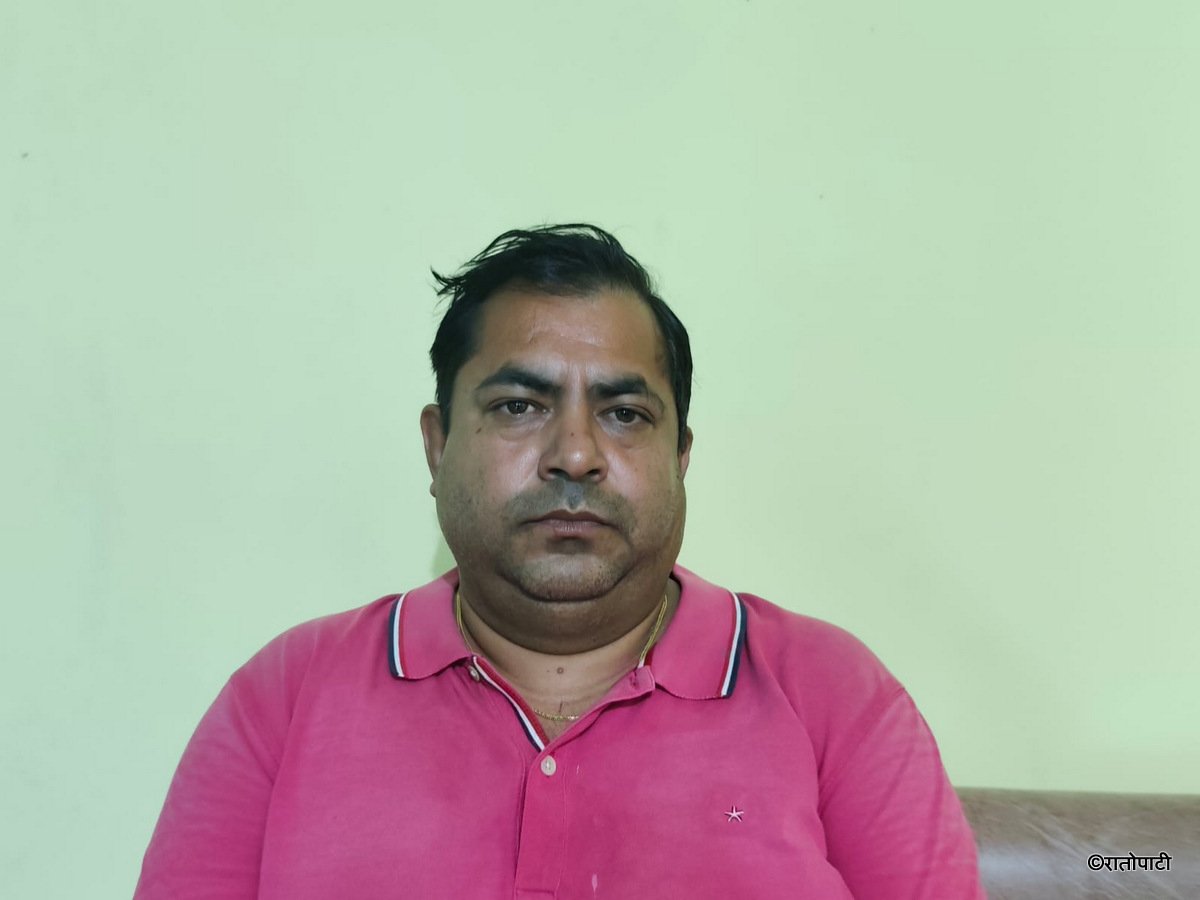
‘The opening of industries here creates employment opportunities for the residents nearby,’ he said, ‘Many unemployed people will get jobs; we never said industries should not be opened. What is the harm in establishing an industrial zone by leaving the area where locals have resided for years?’
Pandey clarified that the protest was forced because the map of the industrial zone included an area where about 3,500 households reside.
‘This area is the source of the necessary labor force for the entire Butwal,’ he said, ‘People here also need sustainable employment. People here know that if industries and factories open, they will get jobs, but they are not seeking employment under the condition of having to leave their homes and become homeless.’
According to Pandey, there is hundreds of bighas of public land in this area. Various groups have occasionally tried to encroach upon that land under the guise of squatters. He clarified that local residents have prevented anyone from outside from settling there.
‘Local residents have worked day and night to protect the land here,’ he said, ‘They have not allowed anyone from outside to settle here; no one from outside has been able to settle here since 060-062 BS. Locals have also been looking after the land beyond their possession, considering it government property.’
Pandey stated that the anger among locals escalated when the government suddenly issued the map for the industrial zone in a way that would displace the residents. ‘However, no one in this area is in favor of not opening industries here,’ he said, ‘Everyone understands that if industries operate, they can get jobs in their village and don't have to go abroad, but the concern of the residents here is only that the settlement should not be uprooted.’
Laxmi Subedi, a resident of Butwal-17, argues that while her village has basic facilities like roads, water, education, and health, the lack of employment opportunities forces the youth to go abroad. She said, ‘Other comforts and hardships are secondary; the desire is to have an environment where children can make a living by getting jobs in the village.’
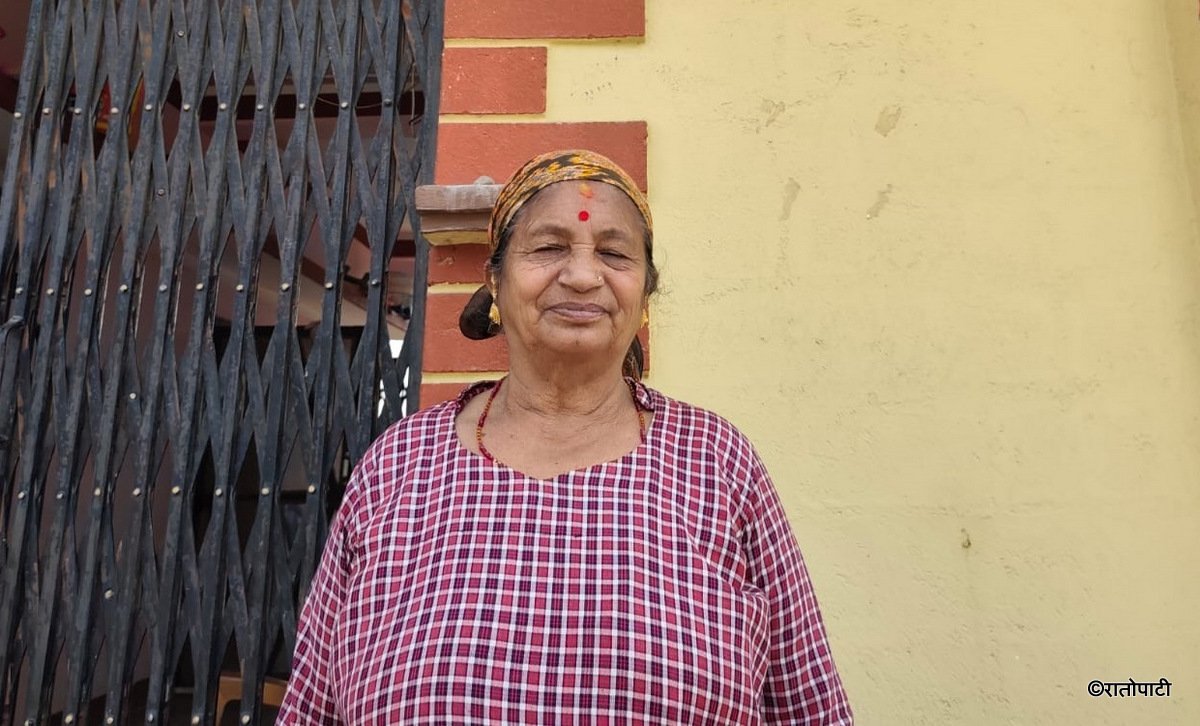
She believes that employment opportunities can be created if political stability is achieved in the country after the House of Representatives elections. ‘Then why did the people here obstruct the foundation laying of the Motipur Industrial Zone?’ we asked her.
In response, Subedi said, ‘Did we protest saying we won't allow industries to open? It's not that the government doesn't have enough land to open industries, but we said that industries should not be opened by displacing people who have been living here for years and making them squatters.’
Subedi complained that hundreds of families who have been living in this area for decades have not yet received land ownership certificates (land deeds). She said, ‘Leaders asked for votes in every election, promising to provide land deeds, but no one has been able to provide them yet. Now, when those who promised to provide citizenship come up with a plan to build an industrial zone that includes the settlement, thereby displacing them, what else can we do but protest?’
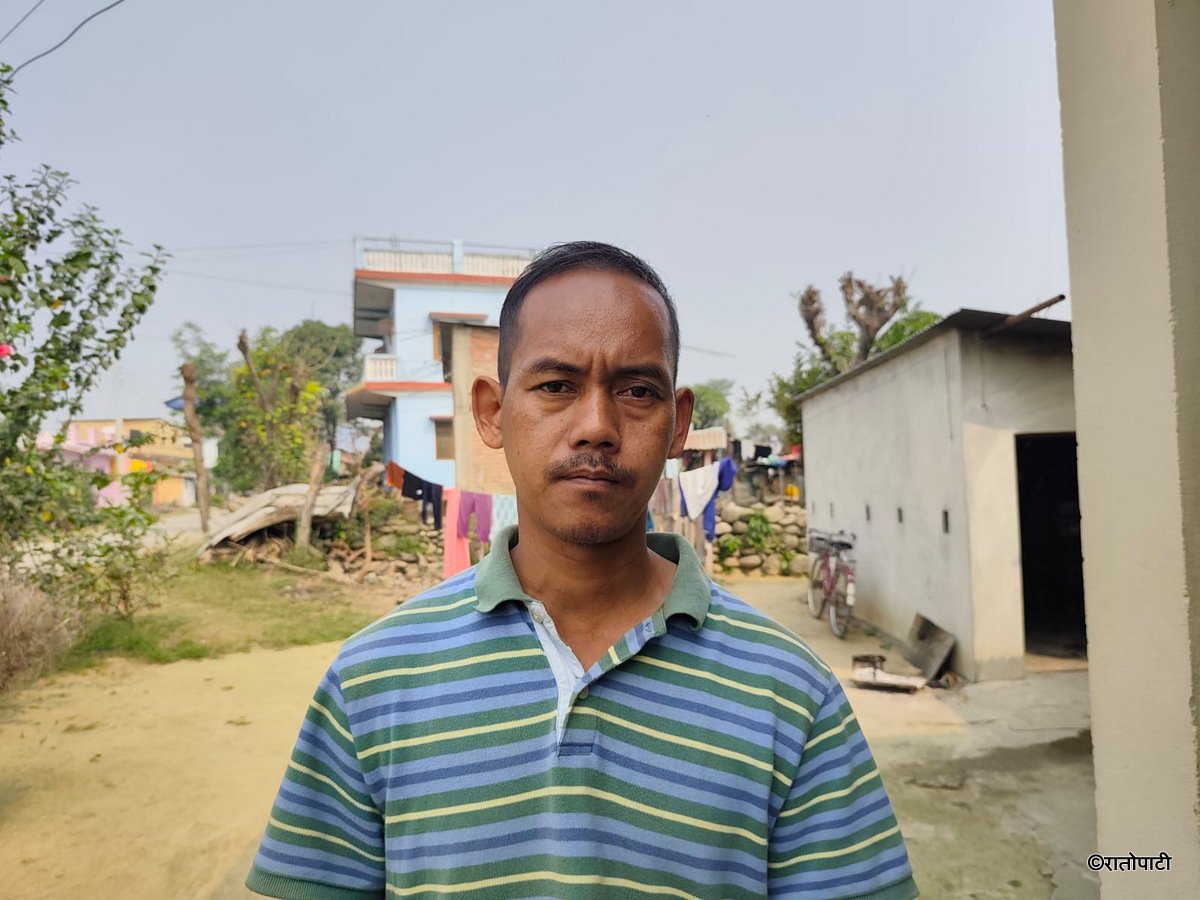
Anil Thapa, also from Butwal-17, believes that if an industrial zone is established at the local level, the youth will get employment opportunities. He himself returned recently after working in Dubai for 4 years due to lack of employment. ‘If there were industries here, I might have earned as much money while staying at home as I earned in Dubai,’ he said, ‘The protest is because the government is trying to snatch the homes of the disorganized settlers living in this area. If industries are opened without disturbing their settlement, no one will protest.’
Another youth from Butwal-17, Dhurva Chapagain, also states that industries are necessary for job creation and controlling the import-oriented economy. ‘Opening industries is a good thing in itself,’ he said, ‘But our concern is not just opening industries in the name of job creation and controlling the import-oriented economy; pollution management and security resulting from such industries at the local level are also our concerns.’
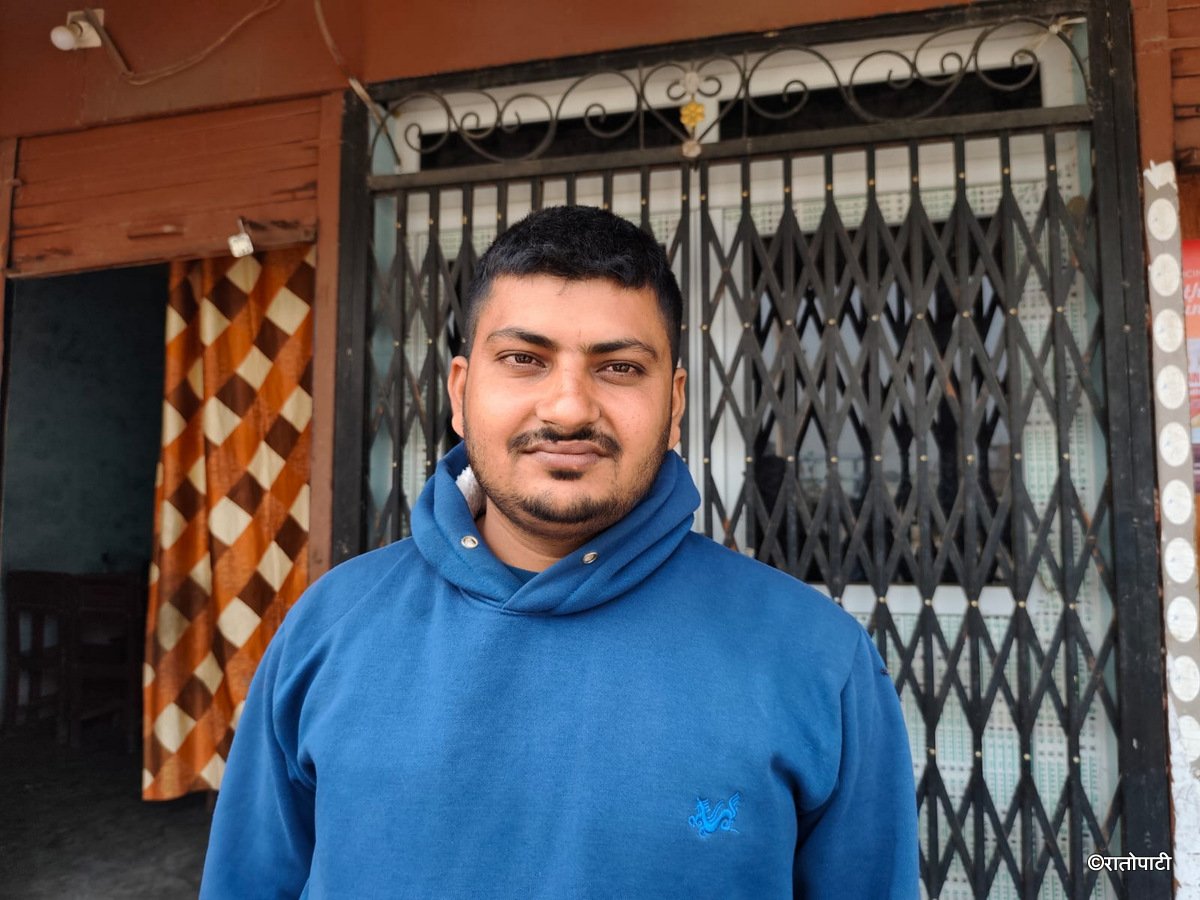
He clarified that the protest arose because the government, without consulting local residents on such basic issues, proceeded with the demarcation of the industrial zone without on-site monitoring, attempting to force hundreds of families to leave their homes.
Sinki Tharu, who runs a small shop in Butwal-17, also expects that if the industrial zone is established, small businesses like hers will flourish in the area. However, she too opposes the establishment of the industrial zone if it means the displacement of their residences. (With assistance from Tejendra KC)

This specific news has been automatically translated by AI. As a result, there may be some inaccuracies or language errors.