Australia's T20 Cricket at a Crossroads After Third Consecutive World Cup Exit


Following elimination from the group stage of this World Cup and failing to reach the semi-finals in three consecutive tournaments, many aspects now require serious consideration.
As the T20 World Cup enters its final stages, Australia is watching from home. Keeping the 2028 Olympics and the home T20 World Cup in mind, Australia will need to find answers to some significant questions arising from this failure.
With three consecutive World Cups without a semi-final appearance, and a schedule that includes playing 20 or possibly 21 Tests and one ODI in the next 18 months, how will Australia build a title-contending team over the next two and a half years?
Following defeats against Zimbabwe and Sri Lanka, a debate has begun regarding where T20 cricket ranks on Australia's priority list. It is understood that the team has been deeply wounded by the group stage exit. The team has strongly refuted claims, both internally and publicly, that they do not care about T20 cricket or the T20 World Cup.
While it might be premature to conduct an 'Argus-style' review (a harsh review conducted in the past) of this situation, it would be irresponsible not to conduct a deep investigation into the failure and take a critical look at Australia's T20 approach. Selectors and coaches are already undertaking this task as part of their regular process following each series.
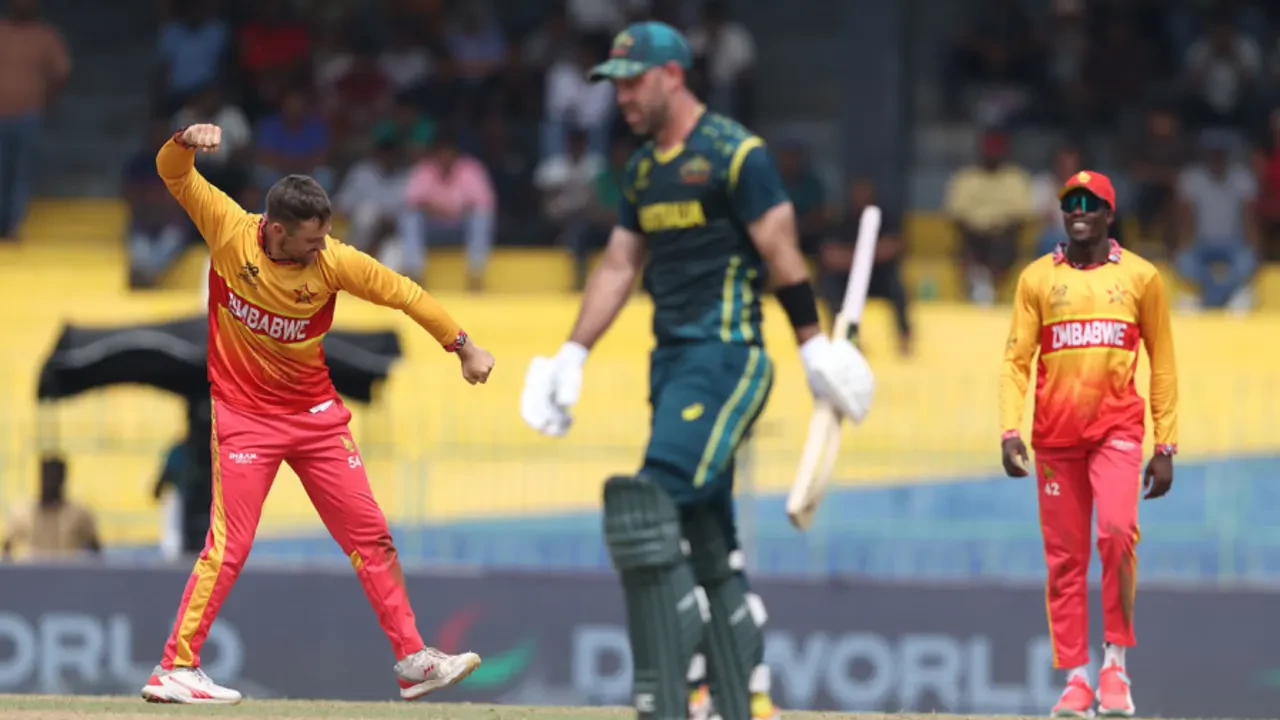
The shortcomings were evident this time. The team's batters were out of form, and the bowling attack lacked penetration. Zimbabwe conceded 178, 254, and 256 runs in their last three matches, yet Australia failed to chase a target of 170 against the same Zimbabwe.
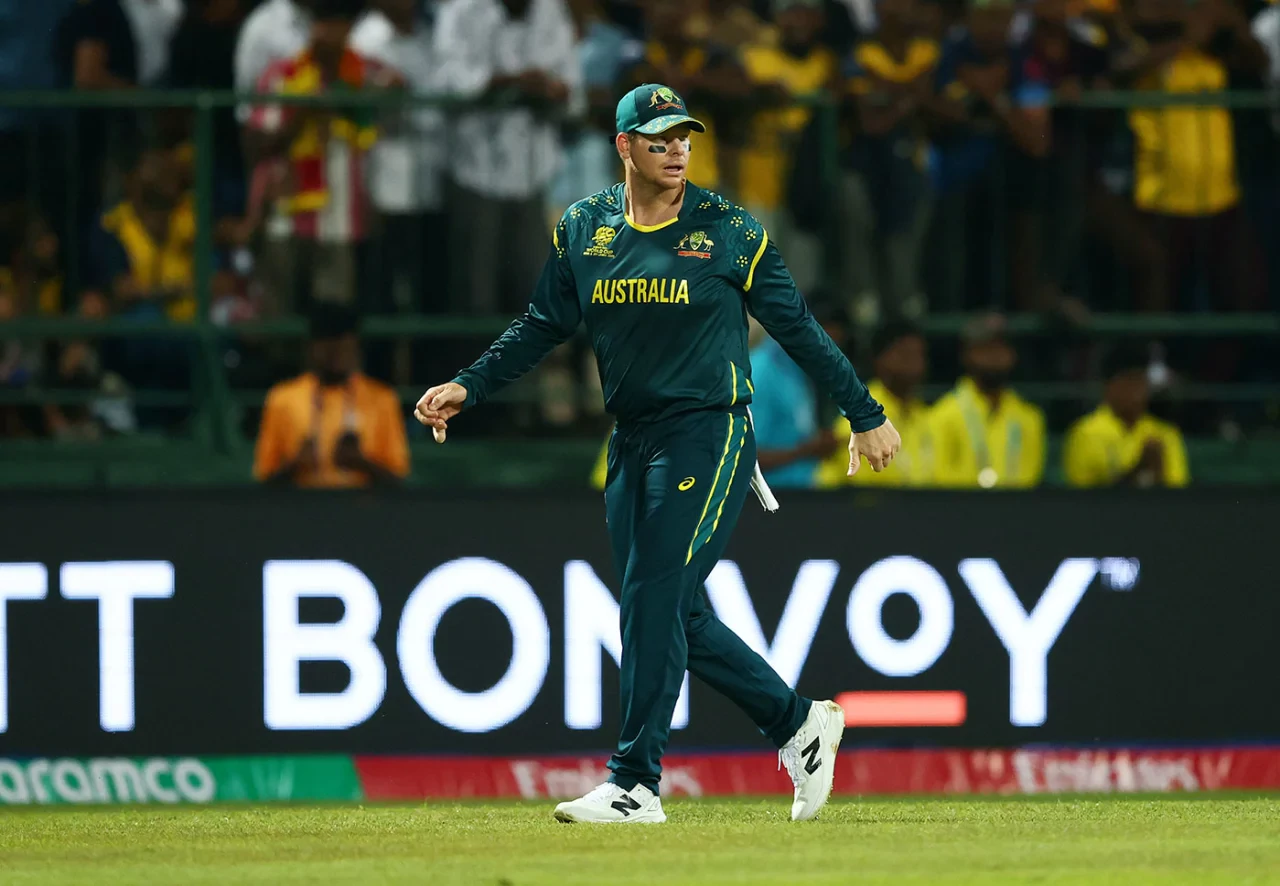
Similarly, failing to defend 181 runs against the Sri Lankan batting lineup, which scored 95 and 107/8 in their first two Super Eight games, highlights Australia's collective failure. Adding Steve Smith to the squad alone was unlikely to solve this problem. The fact that Zimbabwe and Sri Lanka failed to win a single game in the Super Eights has rubbed salt in Australia's wounds.
However, this is not a one-off incident. Australia has been eliminated early from the T20 World Cups of 2022, 2024, and 2026, despite expectations that this team should at least reach the semi-finals. In 2026, they fielded their least experienced side, and that was their worst result. But in 2022 and 2024, the team faltered even with World Cup-winning players like Pat Cummins, Josh Hazlewood, Mitchell Starc, David Warner, and Matthew Wade in the squad.
The answer to what to do before 2028 is quite complex.
- Who Stays, Who Goes, and What is Needed?
Ricky Ponting has suggested that there won't be many changes to the personnel before 2028, but he has ruled out Glenn Maxwell as an option. By the time the next T20 World Cup starts, Maxwell will be 40 and Marcus Stoinis 39.
Australia has a good core of players like Mitchell Marsh and Travis Head, who are likely to remain as openers for the next couple of years. Marsh's injury before the opening game in Sri Lanka was unfortunate. Josh Inglis had a poor tournament and overall season, but he remains Australia's best T20 wicketkeeper-batter.
Runs are not coming from Cameron Green's bat, and fans are disappointed with his presence across all three formats. However, he was one of Australia's best T20 batters in 2025 and performed excellently in the practice series in Pakistan. He should be in the prime of his career by 2028.
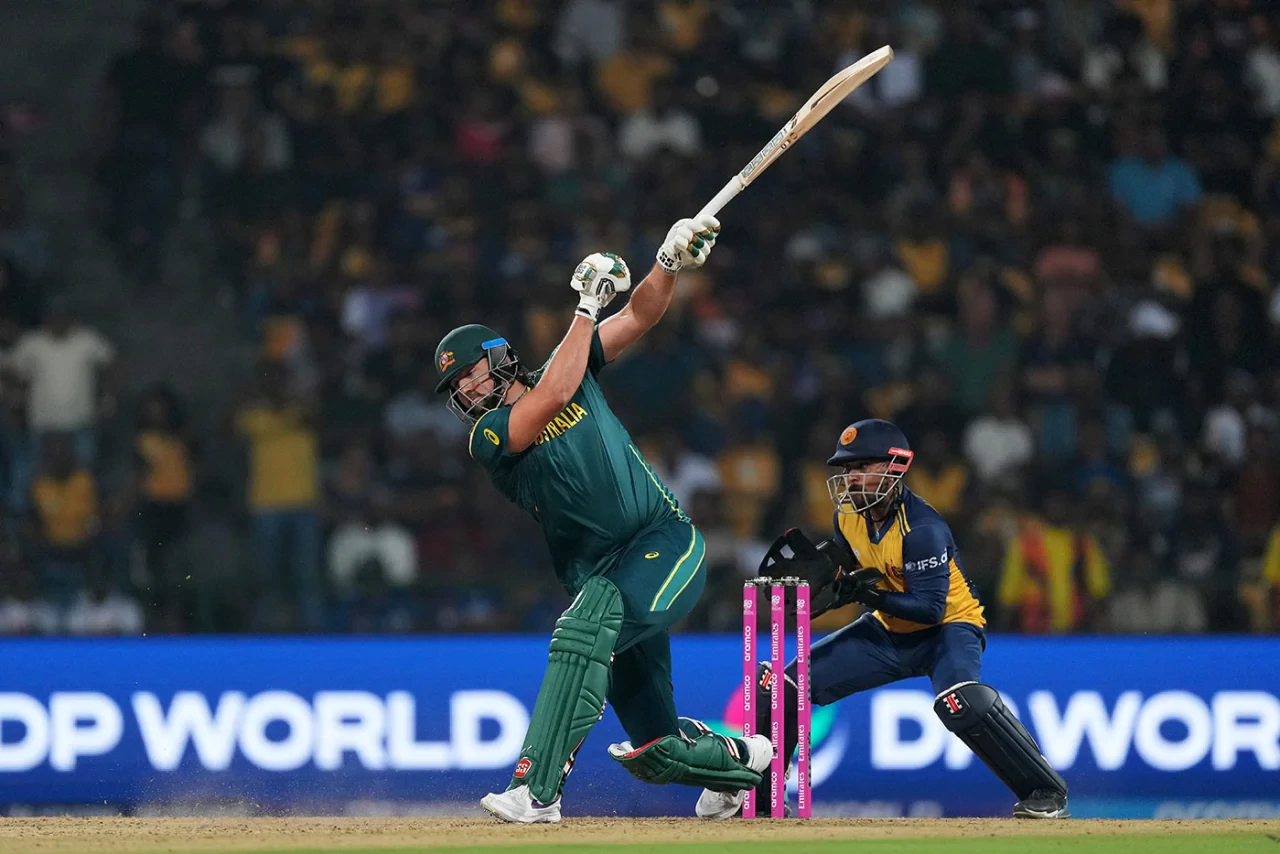
Tim David will only be 32 in 2028, but he needs to resolve the hamstring issues that have plagued him over the last year. Nathan Ellis and Adam Zampa must be the mainstays of the bowling attack, as they were in this World Cup. These seven players are the starting point. Xavier Bartlett, Cooper Connolly, and Matt Renshaw will also improve and will certainly get opportunities in the next 18 months.
However, the main challenge is to accelerate the development of other players to meet the team's needs. Australia cannot be certain that Cummins and Hazlewood will be available in 2028, and this World Cup has already provided a grim glimpse of what it looks like when they are absent.
Apart from these three main fast bowlers, Australia's white-ball bowling depth is quite thin. There are concerns about red-ball (Test) depth too, but Scott Boland, Michael Neser, Jhye Richardson, and Brendan Doggett have proven there is at least an 18-month backup for the Ashes series.
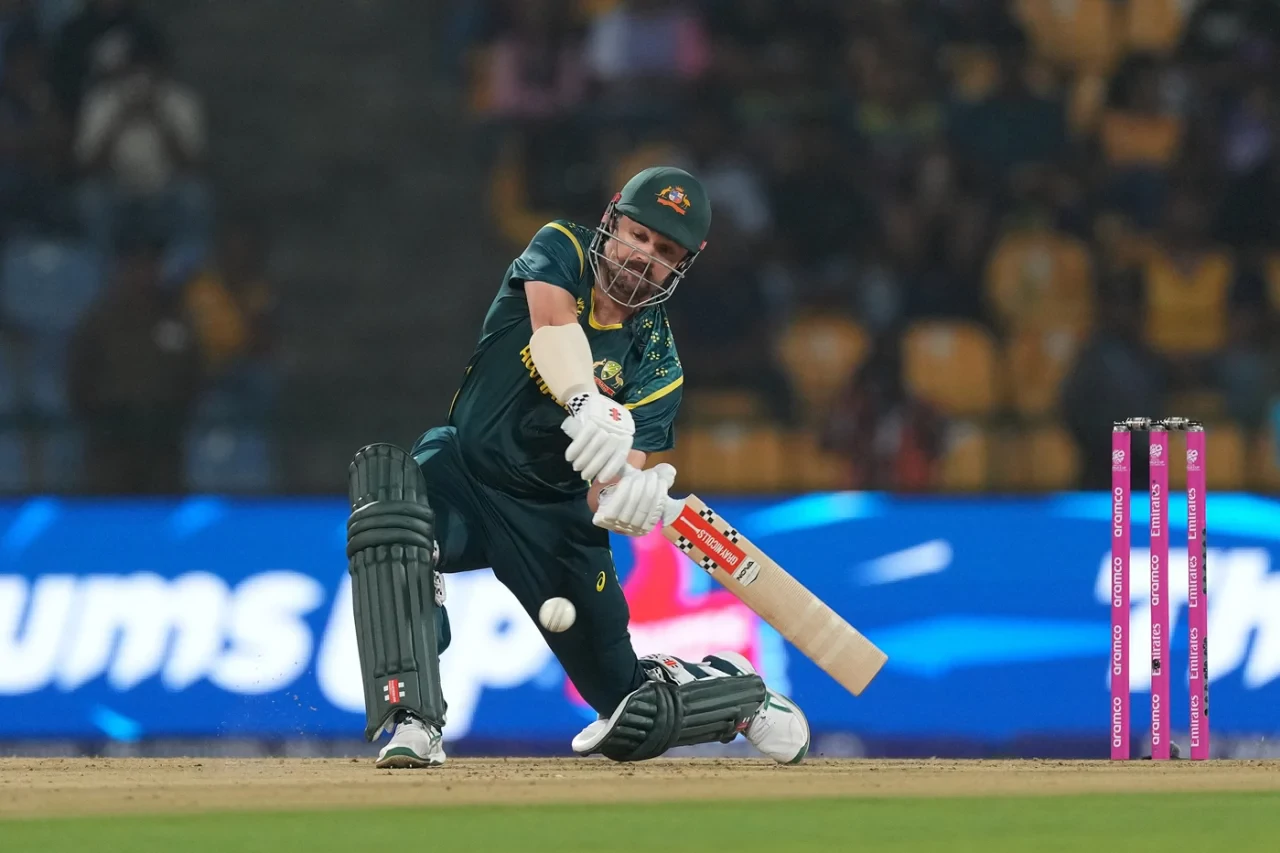
This raises a question: Should Australia select separate Test and T20 teams? On paper, this seems logical as the skill sets required for both games are vastly different. But in practice, it is hard to understand how Australia's T20 team improves by not selecting players like Travis Head.
Australia does not have the depth of players to do that. India has the world's largest pool of talent, yet they play Jasprit Bumrah and others across all three formats. England would not have progressed this far in the World Cup without Harry Brook and Jofra Archer. New Zealand's Matt Henry, Rachin Ravindra, and Daryl Mitchell are key players in all three formats. South Africa has a team dominated by almost their Test squad, supplemented by specialists like Quinton de Kock and David Miller.
- Coaching, Selection, and Strategy
The question now arises: How to extract the best performance from the players through coaching, selection, and strategy? The same coaching and selection panel oversaw the last three unsuccessful T20 World Cup campaigns. Yet, during this same period, this management lost only one Test series in four years, won the World Test Championship final and qualified for a second time, won the ODI World Cup, and reached the Champions Trophy semi-final despite missing Marsh and the three main fast bowlers.
Given the knowledge within Australia's coaching team, their T20 failure is difficult to comprehend. Head Coach Andrew McDonald was the bowling coach when they won the 2021 title, and Batting Coach Michael Di Venuto was also there. Fielding Coach Andre Borovec worked on strategy with McDonald when the Melbourne Renegades won the Big Bash League (BBL) title in 2018-19. McDonald also has extensive IPL experience.
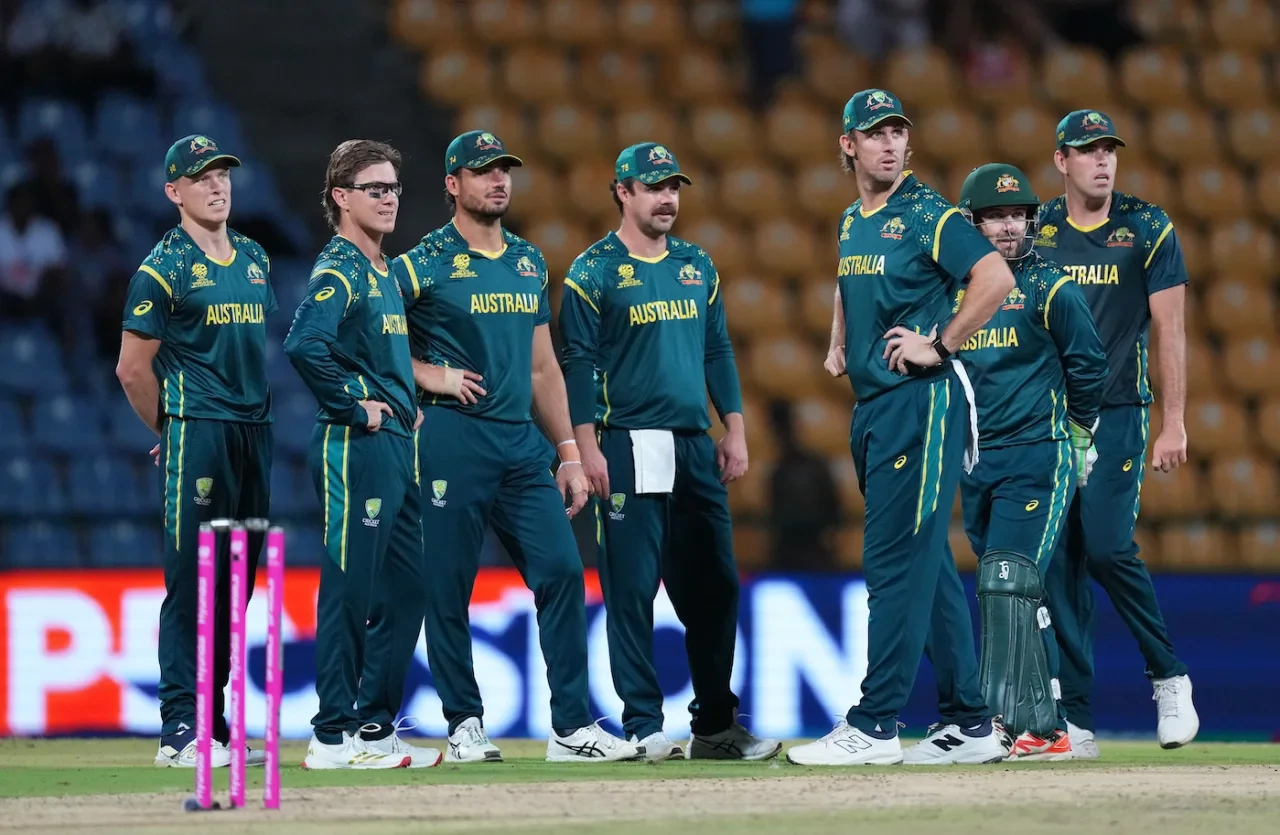
Bowling Coach Daniel Vettori was not present at the World Cup but was part of the planning and served as a key advisor remotely due to his role as coach for Sunrisers Hyderabad in the IPL. James Franklin replaced Vettori, having coached in The Blast, PSL, and IPL. Matthew Wade was also included in the coaching group. George Bailey, the Chairman of Selectors, guided Australia to the T20 World Cup semi-finals in 2012.
Australia's third selector, Tony Dodemaide, was asked if he was distracted by working across all three formats year-round, but he stated this was not the case. The same question could be posed to Analyst Tom Moody and the medical team. Preparing for the T20 World Cup while the Ashes were ongoing was a major challenge.
However, looking at the Super Eight games, Australia's strategy seemed sound. They were not playing old-style cricket. They looked in excellent form, having won 10 out of 11 consecutive matches against strong teams like West Indies, South Africa, New Zealand, and India last October.
Reviews are underway regarding the physical conditioning and injury issues of some white-ball specialists. The long list of fast bowler injuries is also being examined.
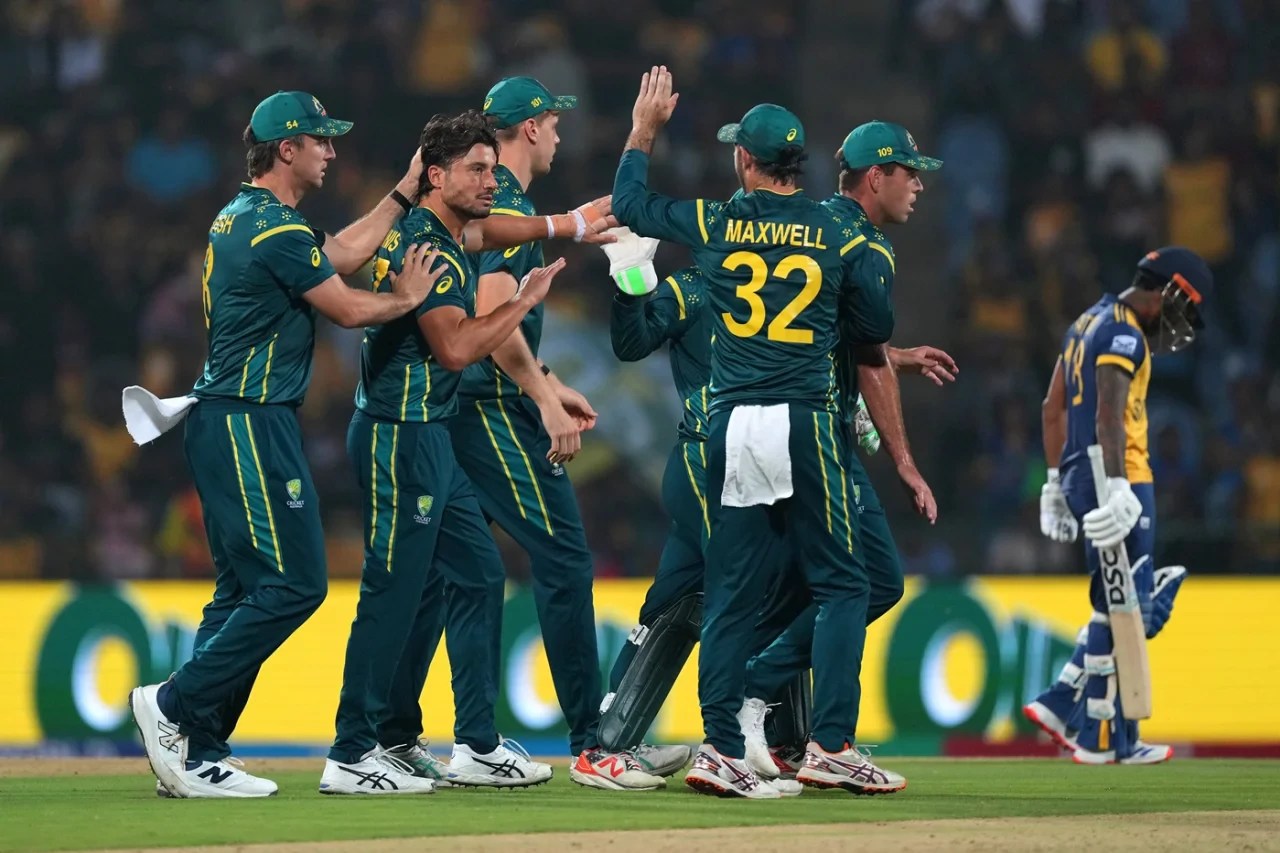
But beyond all this, the question returns: Why couldn't this management extract the best performance from this team, especially at the World Cup, and is this management the right one for 2028?
McDonald's contract runs until the 2027 ODI World Cup, and the tenure of other assistants or selectors is not confirmed beyond that. But this does not mean they are not planning for 2028. Discussions about the Olympics have reportedly been ongoing since 2024, and planning up to 2029 is already underway.
But with Australia scheduled to play only three T20 series before November 2027, is it time to look for a different coach with a long-term vision for those series? McDonald and his team will have to manage at least 20 Test and ODI matches in between.
Split coaching (different coaches for different formats) has not been very successful in other countries. England won the 2022 T20 World Cup under Matthew Mott, while Brendon McCullum was initiating the Bazball revolution in the Test team. But after failures in the 2023 ODI World Cup and the 2024 T20 World Cup, Mott was removed, and now McCullum is the head coach for all formats.
South Africa briefly separated coaches but has now handed all formats to Shukri Conrad. New Zealand also considered splitting roles after Gary Stead left but gave Rob Walter the responsibility for all three formats. Pakistan is the only country that still maintains separate coaches, but coaches change frequently there too.
The cost of inconsistency in coaching and selection, and the loss of prioritizing year-round series, might outweigh the benefits of bringing in a new coach. But if winning the T20 World Cup is a genuine priority, then bringing in fresh ideas must be considered in some form. There is no shortage of capable T20 coaches and strategists within Australia and globally.
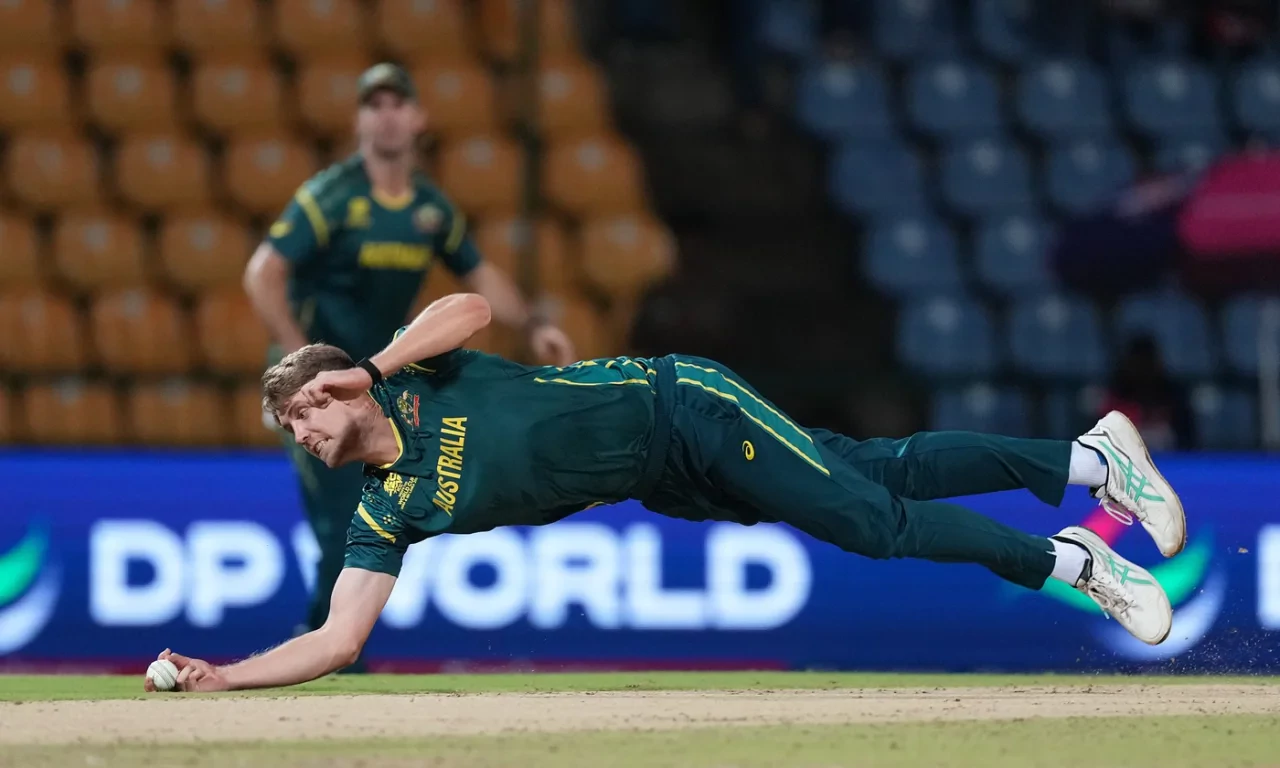
Do the players need individual mentors? Getting the best out of Cameron Green is a priority now. He will spend the next 10 weeks with Shane Watson at the Kolkata Knight Riders. Watson is one of the few people globally who can truly understand Green's current situation.
Ultimately, it depends on budget, availability, and whether new faces can align with the current coaching setup. Like players, franchise leagues can offer coaches more money than Cricket Australia (CA), which is why Vettori coaches two franchise teams while being Australia's bowling coach, and is the Cricket Director for a third.
These decisions now rest with CA's Head of National Teams Ben Oliver, Cricket General Manager James Allsopp, and CEO Todd Greenberg.
- Bilateral Series and the Big Bash League
There is a limit to what coaches can do. Players who perform well in other games must also take responsibility for why they fail in the T20 World Cup.
Zampa said some interesting things after the defeat against Sri Lanka. He said, 'We have done well in bilateral series. Six months ago in the West Indies, we won 5-0 and played unbelievable cricket. Perhaps there was no pressure there compared to the World Cup, but when the pressure came in the World Cup, unfortunately, we couldn't deliver that performance, so it is truly disappointing.'
Australia gave opportunities to players like Matt Short, Aaron Hardie, Jake Fraser-McGurk, Mitchell Owen, Bartlett, and Connolly in the bilateral series of 2024 and 2025. But only two managed to make the World Cup squad, and neither made an impact.
Apart from Fraser-McGurk, the dominance shown by other players in the Big Bash League (BBL) has raised questions about the BBL's importance as a breeding ground for T20 World Cup players.
There has long been a debate that the BBL prioritizes entertainment over the quality of cricket, meaning it may not provide a suitable platform for the development of Australia's new generation of T20 players.
The decision to introduce the Power Surge rule in 2020 has completely changed the way the game is played here compared to the international level, a point George Bailey had made even before the World Cup.
Bailey had said, 'The Surge is an interesting rule from a selection perspective. We have been prioritizing finishers and middle-order batters. But the Surge has somewhat blurred that. International cricket rules are different, which forces us to look at the data in a slightly different way.'
The statistics also show this. The Surge rule, where batters can have only two fielders outside the 30-yard circle for two overs in the last 10 overs, has made batting in the middle and death overs much easier.
Aaron Hardie is a prime example. His strike rate during the Surge is 205.37 with an average of 47.75. But between overs 5 and 20, when there are five fielders outside the circle, his strike rate drops to 131.46 with an average of 29.76. Australia has tried to develop him as an all-rounder/finisher in the T20 squad, but with five fielders outside the circle, he has maintained only a 22 average and 130.5 strike rate in 10 international innings.
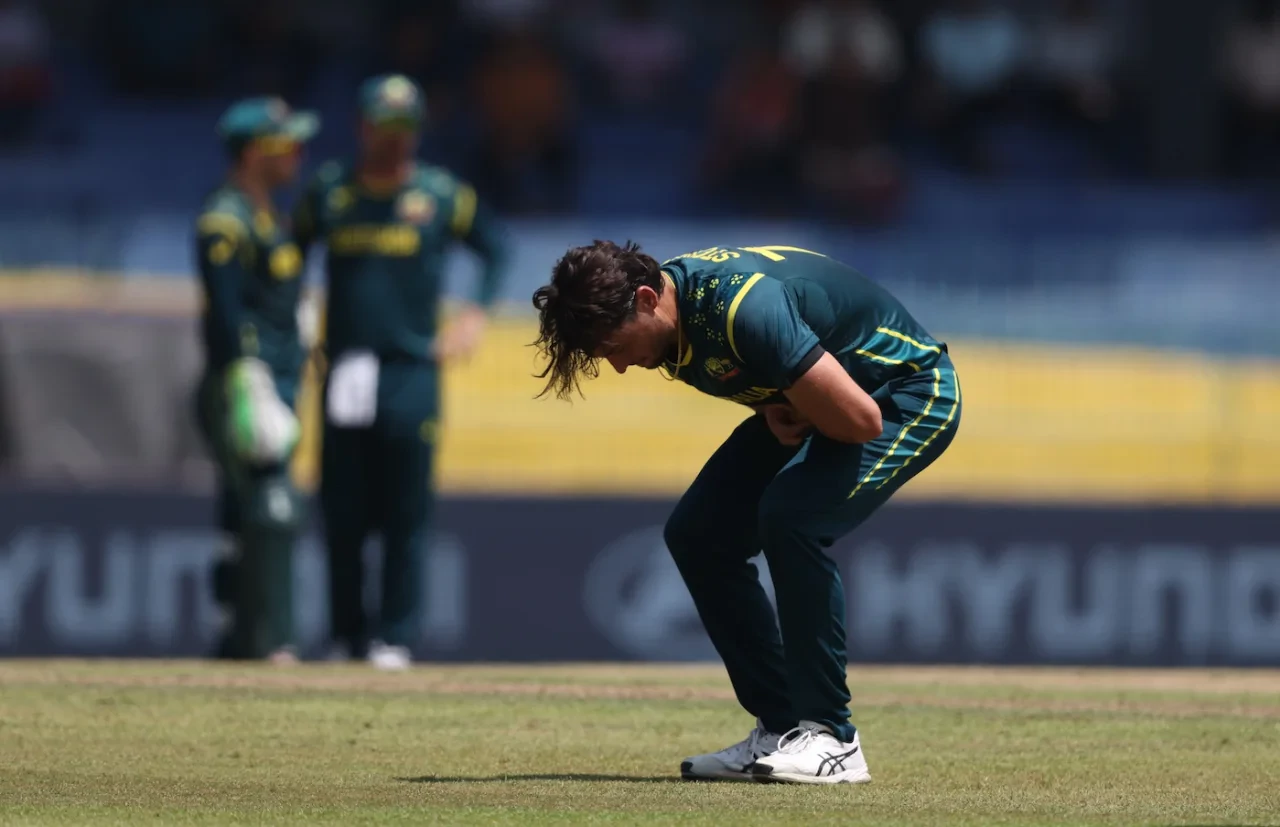
In comparison, Stoinis has averaged 33.02 with a strike rate of 156.21 in 52 innings in the same role since December 2020.
Jack Edwards is another player Australia wants to develop in the same role. But like Hardie, his strike rate drops from 178.57 during the Surge to 118.4 when there are five fielders outside the circle.
Smith is the fastest-scoring batter during the Surge in the BBL, with a strike rate of 247.22. But in his 15 international T20 innings since 2020, his strike rate outside the powerplay is only 122.45. In 'The Hundred,' another franchise tournament where T20 rules do not apply, Smith's average in 2025 was 19.57 and his strike rate 129.24. There is no Surge there, and the powerplay is only 25 balls.
Another effect of the Surge pointed out by Bailey is the reduction of the powerplay to four overs. Australia failed to take wickets in the powerplay at the World Cup. Bartlett and Ben Dwarshuis have not had to bowl the two overs with fielding restrictions in the BBL for five years, where they have taken five and six wickets respectively. In international T20s, bowling those two overs is considered the hardest because the swing on the new ball is gone, and the openers have figured out the pitch's pace.
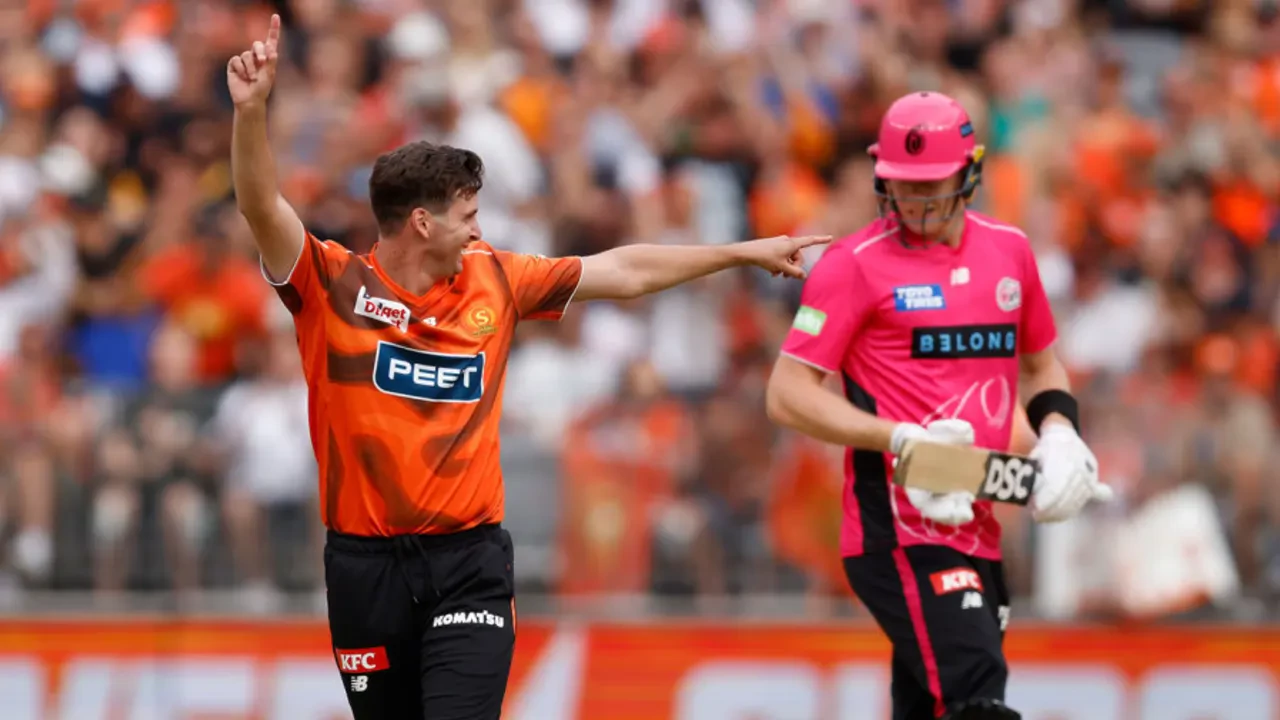
Furthermore, the best four-over powerplay bowler since 2020 is Sean Abbott, who has taken 32 wickets at an average of 16.9 and an economy rate of 6.93. But in the same period, Abbott has proven to be Australia's worst powerplay bowler in international T20s, conceding 10.4 runs per over in 22 innings, taking only seven wickets at an average of 44.57. On the other hand, Hazlewood, who has improved his bowling on flat pitches and with a six-over powerplay in the IPL, has taken 39 wickets at an average of 17.51 with an economy rate of 6.09 in international T20 powerplays during the same period.
Australia has only five T20 internationals scheduled to be played at their main venues before the 2028 World Cup. But BBL players will get a total of 20 matches across two tournaments to develop their skills. If the rules remain the same and the participation of top players does not elevate the standard of cricket, it will be very difficult for selectors to pick players based solely on BBL performance, just as it was in this World Cup.
Cricket Australia (CA) has many things to consider. The conflict between professionalism, the fixture list, and high performance presents significant challenges. But three consecutive poor World Cups have made one thing clear: the current way is not working.
This specific news has been automatically translated by AI. As a result, there may be some inaccuracies or language errors.