Scientists Alerted as Possibility of El Niño Re-emergence Looms in Second Half of 2026

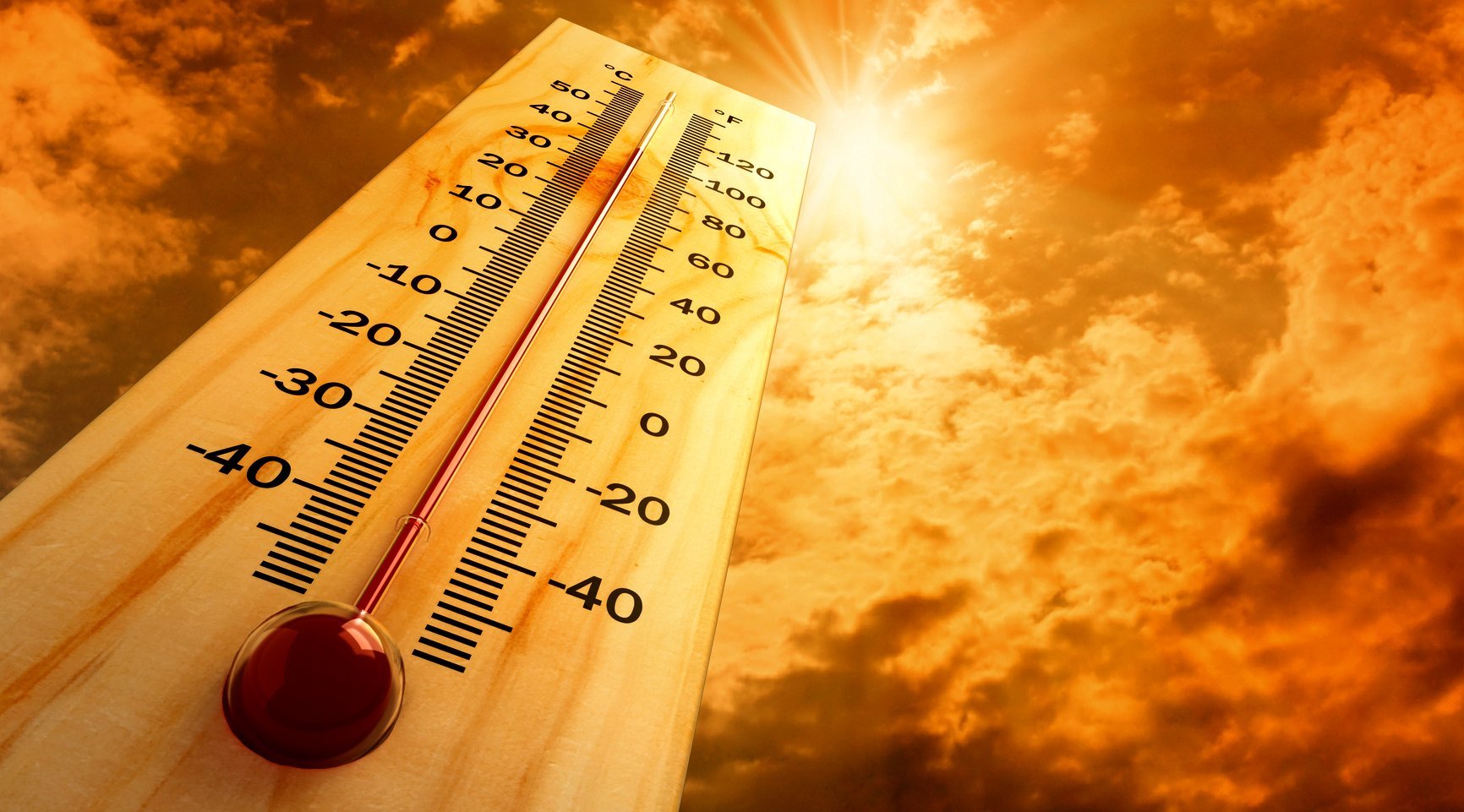
As global temperatures continue to rise, the possibility of El Niño redeveloping in the second half of 2026 has alerted scientists.
According to the US National Oceanic and Atmospheric Administration (NOAA), there is a 50 to 60 percent chance of El Niño forming between July and September, which is projected to push global temperatures to new heights. The World Meteorological Organization is preparing to release an updated report on this matter.
El Niño is the warm phase of the El Niño-Southern Oscillation (ENSO), a natural climate cycle observed in the tropical Pacific Ocean. Its opposite phase is La Niña, and there are also neutral phases between the two. In the 19th century, Peruvian and Ecuadorian fishermen named it 'El Niño' after observing that the sea water became unusually warm as Christmas approached. In Spanish, 'El Niño' means 'the boy' or 'the Christ child.'
During El Niño, the trade winds blowing from east to west across the Pacific weaken, causing sea surface temperatures to rise, especially in the central and eastern Pacific. This alters rainfall and wind patterns worldwide. The extra ocean heat can convert into atmospheric energy, causing a temporary increase in the global average temperature. According to NOAA meteorologist Nat Johnson, a typical El Niño can increase the average temperature by about 0.1 to 0.2 degrees Celsius. El Niño generally occurs at intervals of two to seven years.
Its impact varies by region. Dry conditions are often seen in Southeast Asia, Australia, Southern Africa, and Northern Brazil, while increased rainfall occurs in the Horn of Africa, the Southern United States, Peru, and Ecuador. The last El Niño occurred in 2023–2024, contributing to making 2023 the second hottest year and 2024 the hottest year on record.
According to Carlo Buontempo, Director of the European Union's Copernicus Climate Change Service, if El Niño develops this year, 2026 could be another record-breaking year. Tido Semmler, a scientist at Ireland's national weather service, warned that temperatures could be even higher in 2027 because the full impact of El Niño takes time to manifest. He added that due to the long-term trend of global warming, the risk of 2026 becoming a hot year remains even without El Niño.
La Niña, on the other hand, is its cold phase, which cools the eastern Pacific for one to three years and has the opposite effect of El Niño. It causes more rain in Australia, India, Southeast Asia, and Southeast Africa, while bringing dry conditions to parts of South America. The recent La Niña, which began in December 2024, was short and weak, entering a neutral phase, but even that could not prevent 2025 from becoming the third hottest year.
Meanwhile, NOAA has modified the method for measuring El Niño. The old Oceanic Niño Index (ONI) compared temperatures against a 30-year average, but this baseline is becoming outdated due to the rapidly warming oceans, so the new Relative Oceanic Niño Index (RONI) has been adopted. NOAA claims this method provides a clearer and more reliable way to assess the situation in real-time by comparing the east-central Pacific with the rest of the tropical region.
This specific news has been automatically translated by AI. As a result, there may be some inaccuracies or language errors.