Number of Foreign Workers in Nepal Rises, With Chinese Nationals Leading in Work Permits


The number of foreigners coming to work in Nepal is increasing every year. According to the Department of Labour, Employment and Social Security, citizens from 74 countries including China, India, the United States, the United Kingdom, and Canada are working in sectors such as construction, health, and aviation after obtaining work permits.
According to the department, 892 foreigners obtained new work permits in the last fiscal year 2081/82, while 1,667 renewed their permits. In total, 2,559 foreigners are employed in Nepal with work permits. Until the end of Magh in the current fiscal year, 373 people have obtained new work permits, and 793 have renewed theirs.
During this period, 1,166 foreigners received work permits. A large number of Indian citizens come to Nepal and work in various sectors, but since Indian citizens do not need to obtain a work permit to work in Nepal, they are not significantly reflected in government records.
Department Director General Chakrapani Pandey stated that currently, Chinese citizens are obtaining the highest number of work permits to work in Nepal in quantitative terms. According to him, approximately 1,600 Chinese citizens come to work in Nepal annually. Similarly, more than a hundred citizens from the UK are employed in Nepal, and more than 100 citizens from Japan are involved in various projects.
Pandey mentioned that although a large number of Indian citizens work in Nepal, their actual numbers are not recorded because they are exempt from obtaining work permits. According to him, the Nepal-India treaty of 1950 stipulates that citizens of both countries do not need work permits to work in the other country. However, 30 Indian citizens working in high-level positions in some establishments have obtained work permits.
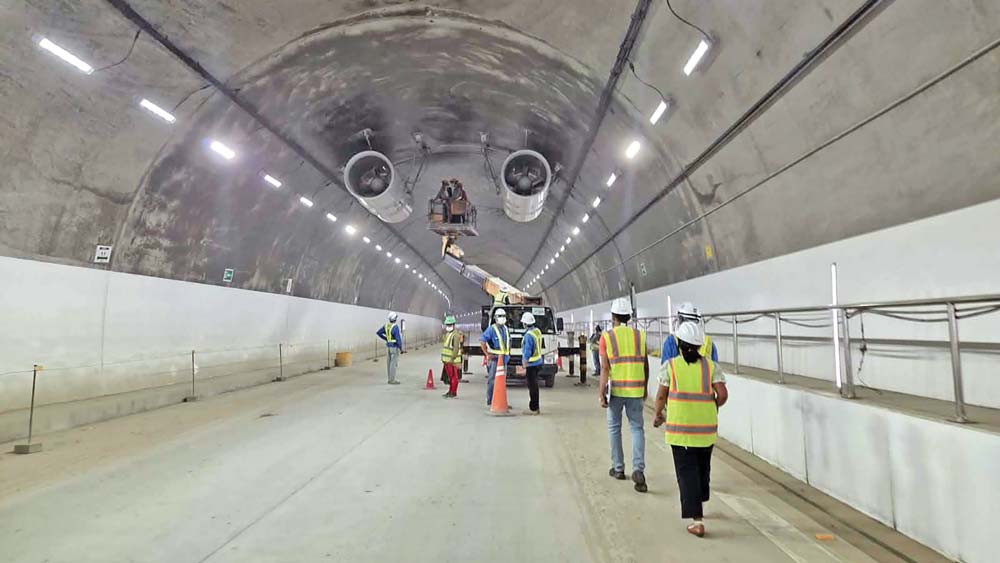
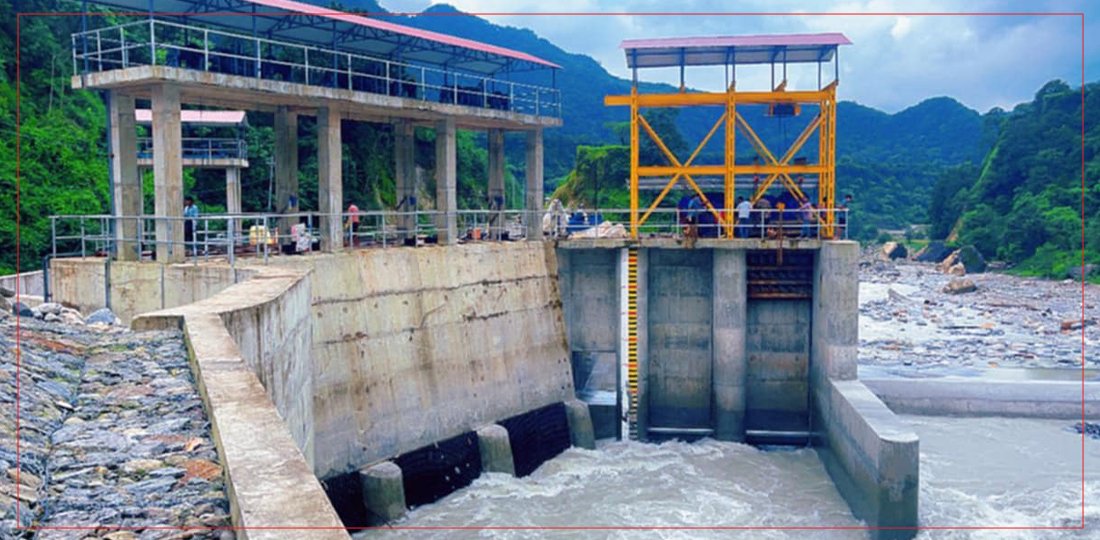
Under Nepal's Labor Act, highly skilled workers are allowed to work for a maximum of 5 years, and other technicians for up to 3 years. Highly skilled workers must submit a rehabilitation plan. Foreign citizens working in highly technical roles can renew their permits for up to 12 years. According to the department, the presence of foreign nationals is particularly significant in the construction sector. Foreign technicians are employed in technology-based large projects such as tunnels, subways, and hydropower projects.
The involvement of Chinese citizens is visible in cement and hydropower industries established with Chinese assistance. Similarly, UK citizens are employed in British schools operating in Nepal, and over 100 Japanese citizens are engaged in Japanese projects. Foreign doctors are working in some hospitals. Some airlines have foreign station managers, and foreign teachers are teaching in several universities. Although some foreigners are exempted from obtaining work permits when signing project agreements with the Government of Nepal, most are required to obtain one.
The department has stated that action will be taken if any establishment is found employing foreign nationals without a permit. M
Although the records of Indian laborers coming to work in Nepal are not well maintained, the Chairman of the Construction Entrepreneurs' Federation, Rabi Singh, stated that the construction sector employs a large number of Indians. According to him, approximately 700,000 Indian laborers are currently working in Nepal's construction sector. There is an extreme shortage of laborers working in construction in Nepal. Singh stated that due to labor migration abroad, they are forced to bring a large number of laborers from India because workers are unavailable.
According to him, they are in a situation where they have to go to villages in India to bring laborers. He mentioned that there is a rush to bring laborers now, and the trend of deceiving many by giving false assurances has also increased. He added that competition among construction companies leads to a scramble for laborers, and it becomes difficult to recover advance payments.
According to Singh, Indian laborers working in the construction sector are different from Nepali workers. While Nepali workers going abroad usually stay for at least two years, Indian laborers often work in Nepal for a maximum of six months before returning. Highlighting that Nepalis are migrating abroad due to a lack of respect for labor and a poor working environment, he emphasized that political parties should create an environment to bring Nepalis living abroad back home, create employment opportunities, and ensure respect for labor. – News Agency Nepal
This specific news has been automatically translated by AI. As a result, there may be some inaccuracies or language errors.