Nepal's Food Safety Department Seizes Adulterated Goods, Files Cases in First Half of Fiscal Year


Kathmandu. In the first six months of the current fiscal year 2082/83, the Department of Food Technology and Quality Control inspected 5,906 industries, hotels, and markets.
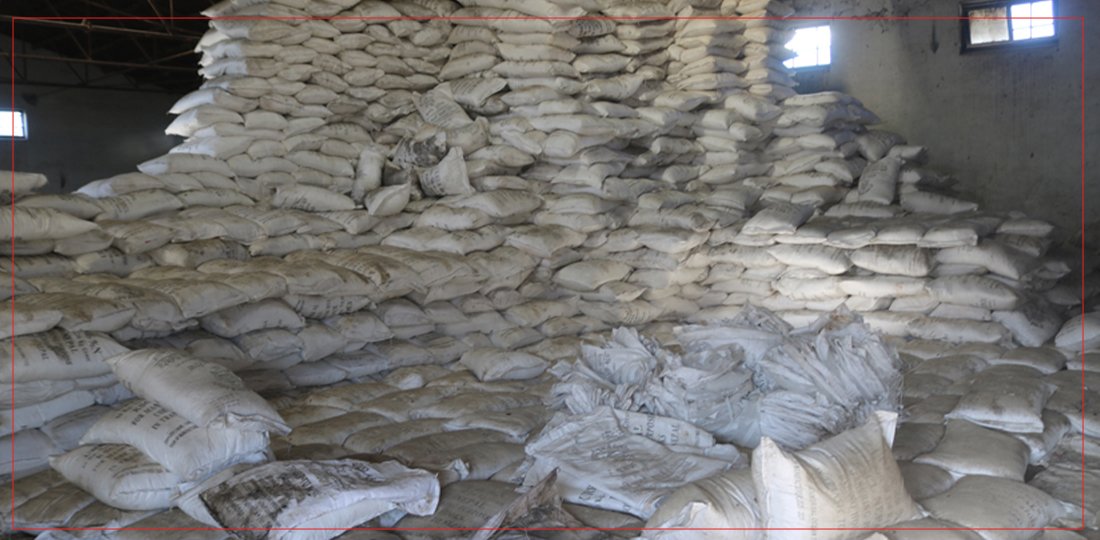
During this period, goods worth over NPR 2.904 million that were expired, unlabeled, or unfit for consumption were seized and destroyed, according to details made public by the department on Thursday.
In the same period, 62 cases were filed in various District Administration Offices and courts for the offense of selling substandard and contaminated food items. The department also ordered the recall of 13 types of food products from the market, including bakery items, processed water, dried pulses (dalmoth), and candies, where deficiencies were found during inspection and testing.
Legal action has been initiated against 26 samples (2.6 percent) that tested adverse after laboratory examination. Furthermore, in the Rapid Pesticide Residue Testing (RPRT) conducted on vegetables and fruits sold in the domestic market and imported ones, some samples were found to be non-compliant with standards, and import permits for 229 food items lacking necessary documentation and labeling were rejected.
In addition to market regulation, the department has also determined quality standards for traditional Nepali food items in accordance with the Food Safety Act, 2081. Accordingly, mandatory quality standards for 'Chhurpi' (dried cheese), 'Masyaura' (dried lentil dumplings), and Rolled Oats are in the process of being published in the gazette and implemented, while the standard for 'Gundruk' (fermented leafy greens) has been recommended to the government for approval.
Department Spokesperson Dr. Bal Kumari Sharma informed that market monitoring and public awareness campaigns will be further enhanced in the coming days to maintain the health and convenience of the general consumers.
This specific news has been automatically translated by AI. As a result, there may be some inaccuracies or language errors.