Voters in Surkhet's 'Red Fort' Show Signs of Shifting Allegiance Ahead of Elections
Surkhet. Birendranagar Municipality-4, the Bhairavsthan area, has historically been a stronghold for the CPN-UML. This is the very area where Yamlal Kandel, the current Chief Minister of Karnali Province, resides. It is also the home ward of the Deputy Mayor of the municipality, and the ward leadership is held by the UML. Publicly, UML leaders assert that the votes in this ward will not be divided. However, during on-the-ground election reporting, it was found that the voters' minds are currently divided.
Some voters who were previously affiliated with the UML are now showing support for new political forces. Kamal Thapa, 33, stated that while he used to vote for the UML in the past, this time he plans to look at a new party. He is not alone; after speaking formally and informally with over 50 voters in this ward, the majority indicated they would vote for a new face. A 60-year-old voter, previously known as a UML leader, who preferred to remain anonymous, said, "Look! In the past, we were fiercely dedicated to the UML, and I even campaigned in the last election, but this time my mind has changed."
It was observed that not only UML voters but also some Congress-leaning voters are attracted to the new parties. An old Congress voter, who had been a representative during the Panchayat era, said he plans to choose a new candidate now. "How long can we keep voting for the old ones? We are tired of voting for them. I am thinking of casting my vote based on the current situation of the country," he said. "All the young people nowadays are talking about new faces."
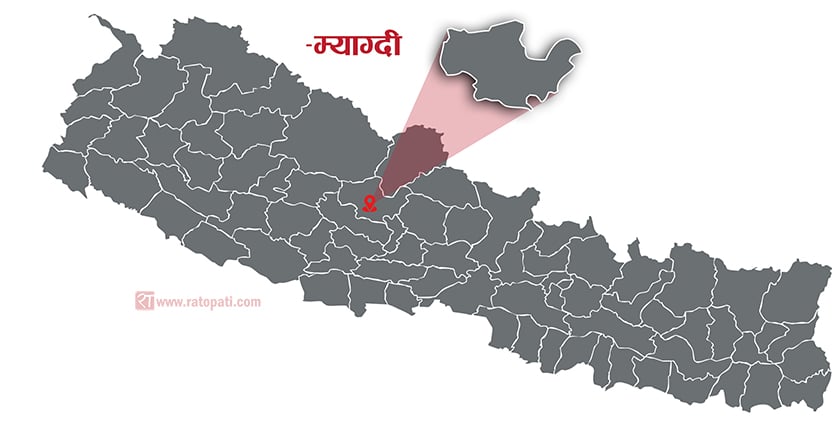
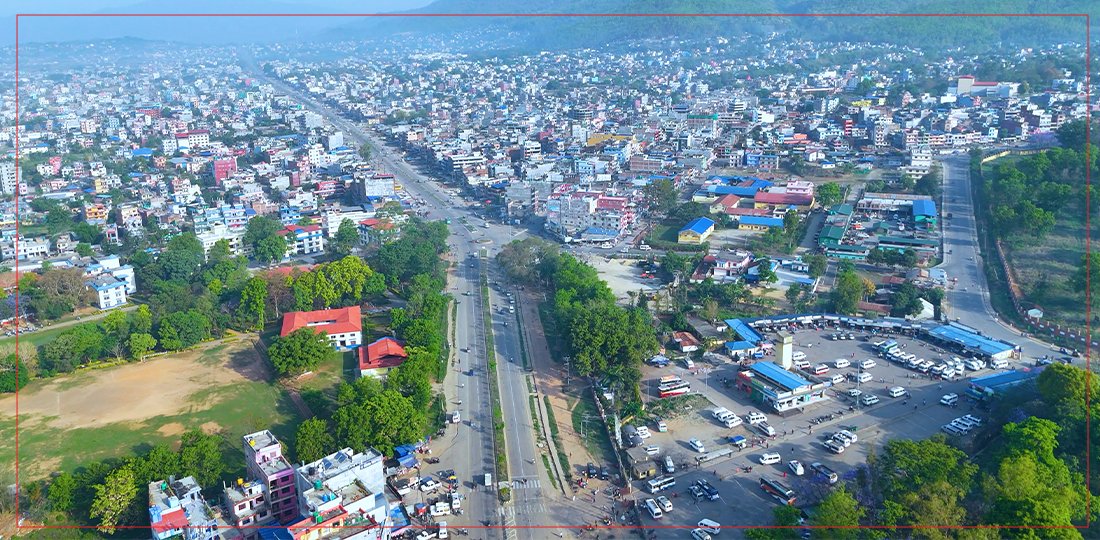
Birendranagar is the city of the Karnali Province capital, with 71,840 voters. All wards except 15 and 16 fall under Surkhet's Constituency No. 2 for the House of Representatives. Similarly, the western areas of Barahatal, Chaukune Rural Municipality, and Panchapuri Municipality, which have 56,979 voters, also fall under Constituency No. 2.
Birendranagar is an area with an urban electorate. The demands and needs of voters in rapidly developing Birendranagar are different from those in the western areas still grappling with remoteness.
Many voters in Sanjghat, Barahatal Rural Municipality-4, seemed largely unconcerned about the election. Their primary worry is securing food morning and evening. The local demands are for irrigation, drinking water, electricity, and land ownership documents. Although there is arable land, it remains fallow due to a lack of irrigation. Electricity poles were erected in 2078 BS, but connections have not been provided. Despite this, these voters say they will choose a new face. Even cadres affiliated with the old political parties indicate they will change their vote, not their party affiliation or ideology. "No matter how much we voted in the past, no one looked after us; this time, everyone says they will change their vote," local Madan Gharti told Ratopati.
_upPG8ixZsX.jpg)
The demands of the citizens in western Barahatal, Panchapuri, and Chaukune remain traditional. Road access, education, health, and employment are their main concerns.
The Madan Bhandari Highway, previously an election agenda, is now gaining momentum. Roads have been constructed to every village since local governments were established, but they remain unusable for vehicles due to a lack of upgrading. Some ongoing work is also delayed due to negligence. Many settlements connected to the capital are still outside the reach of health, education, road, and electricity services. Settlements like Taranga across the Bheri River in Barahatal remain inaccessible by road.
Chaukune has remote settlements like Rekcha and Tala. The demands of the western citizens are centered on these issues. They depend on Birendranagar for everything, including food supplies.
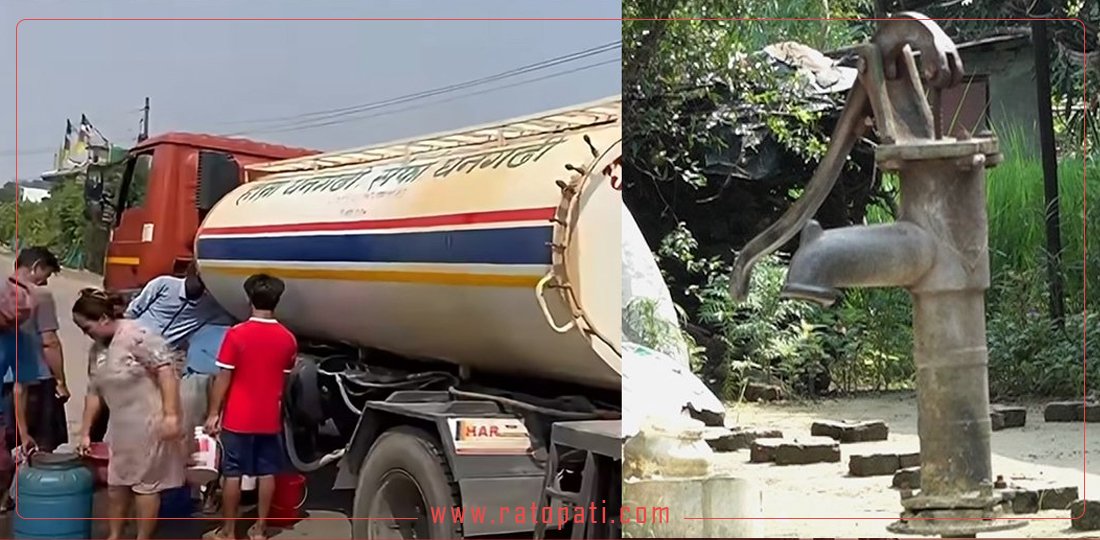
The main problem in Birendranagar is drinking water; the irregular electricity supply in the capital is moving towards resolution with the completion of the 132 KV transmission line work. Otherwise, Birendranagar is established as a hub in terms of health, education, and physical infrastructure. Citizens here do not complain about a lack of development; they express disillusionment with the procedures, processes, and political wrangling among leaders.
They show weariness with issues like needing political connections for everything, requiring ward recommendations through 'power,' and the prevalence of nepotism and favoritism. Tika Tiwari (34) from Chispani, Birendranagar Municipality-4, expressed disgust with the tradition where only those with connections thrive, and jobs are secured based on influence. "Well-educated people cannot get jobs without power, while people close to political parties get jobs even if they are not very educated," she said.
00000
Candidates do not seem to have integrated the voters' thoughts and needs into their election agendas. So far, no candidate has published their election manifesto. They are posting content in small segments on their respective social media. Candidates from the old parties are seeking votes by claiming that the work done previously was by them and that the remaining work will also be completed by them, using this as the basis for their election claims.
Leaders of the old political parties—Nepali Congress, CPN-UML, and CPN (Maoist Centre)—claim that while there is some attraction towards the RSP in urban areas, rural settlements still hold traditional votes. However, during on-the-ground reporting, the attraction towards the old parties among voters does not seem as strong as before. The Rastriya Swatantra Party (RSP) is currently creating a strong electoral atmosphere in this constituency. Nevertheless, the old political parties do not consider the RSP a competitor in this area. They tend to describe the RSP as a 'flash flood' (temporary phenomenon), but internally, they appear fearful of the RSP.
- Prestige Battle Among All New Candidates
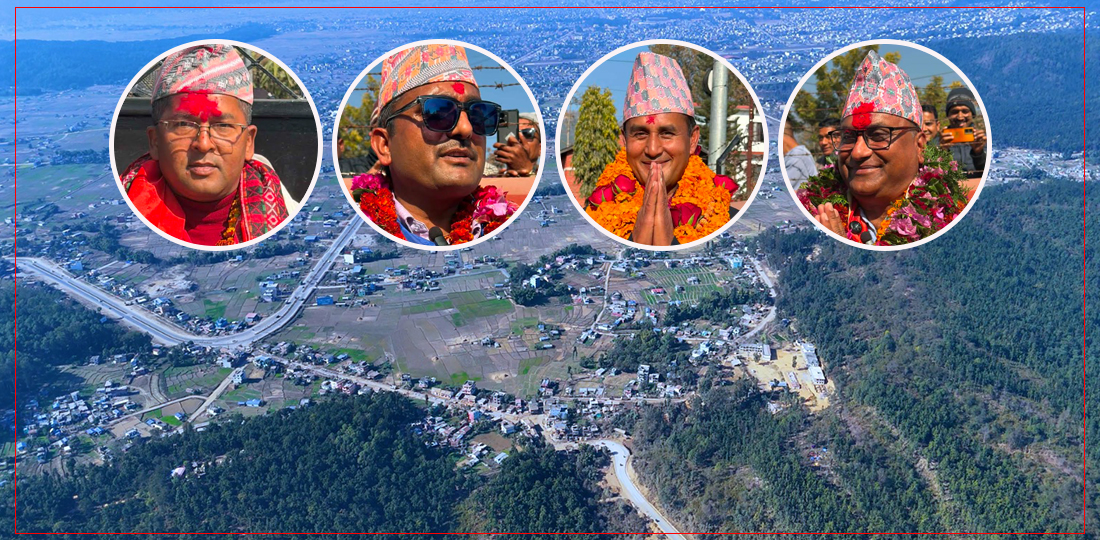
Seventeen candidates have registered for this constituency, and all candidates, from old to new parties, are 'fresh faces.' The candidates are Kulmani Devkota from UML, Narayan Koirala from Congress, Jhak Bahadur Malla 'Sudeep' from CPN (Maoist Centre), and Ramesh Kumar Sapkot from RSP. All these four candidates are entering the electoral arena for the first time. A tough electoral contest is anticipated among these four candidates.
Perhaps because it is the constituency connected to the capital, candidates have made this area a matter of prestige.
RSP candidate Sapkot was previously involved in Congress politics. He is currently the district chairman of the RSP and is a transport entrepreneur.
UML candidate Devkota has served as the chairman of the Surkhet Valley Drinking Water Corporation and is the oldest among all candidates. Devkota claims he will win this election this time. He countered by asking, "If the UML doesn't win here, who will?"
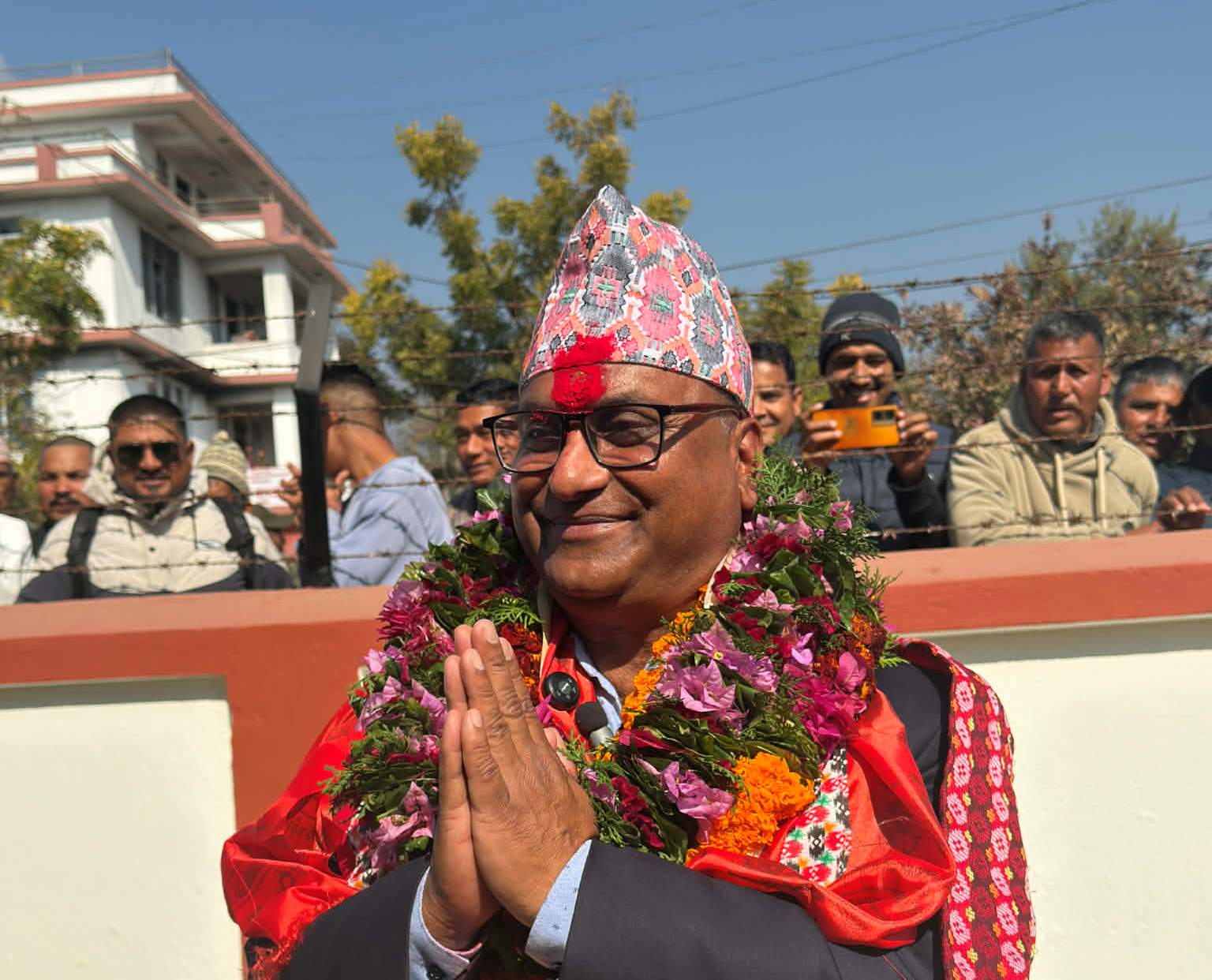
He is a confidant of Yamlal Kandel and also the Chairman of UML Surkhet. Kandel is currently engaged in a war-footing effort to ensure Devkota's victory. Kandel addresses every UML election program in Birendranagar and is actively working to attract voters.
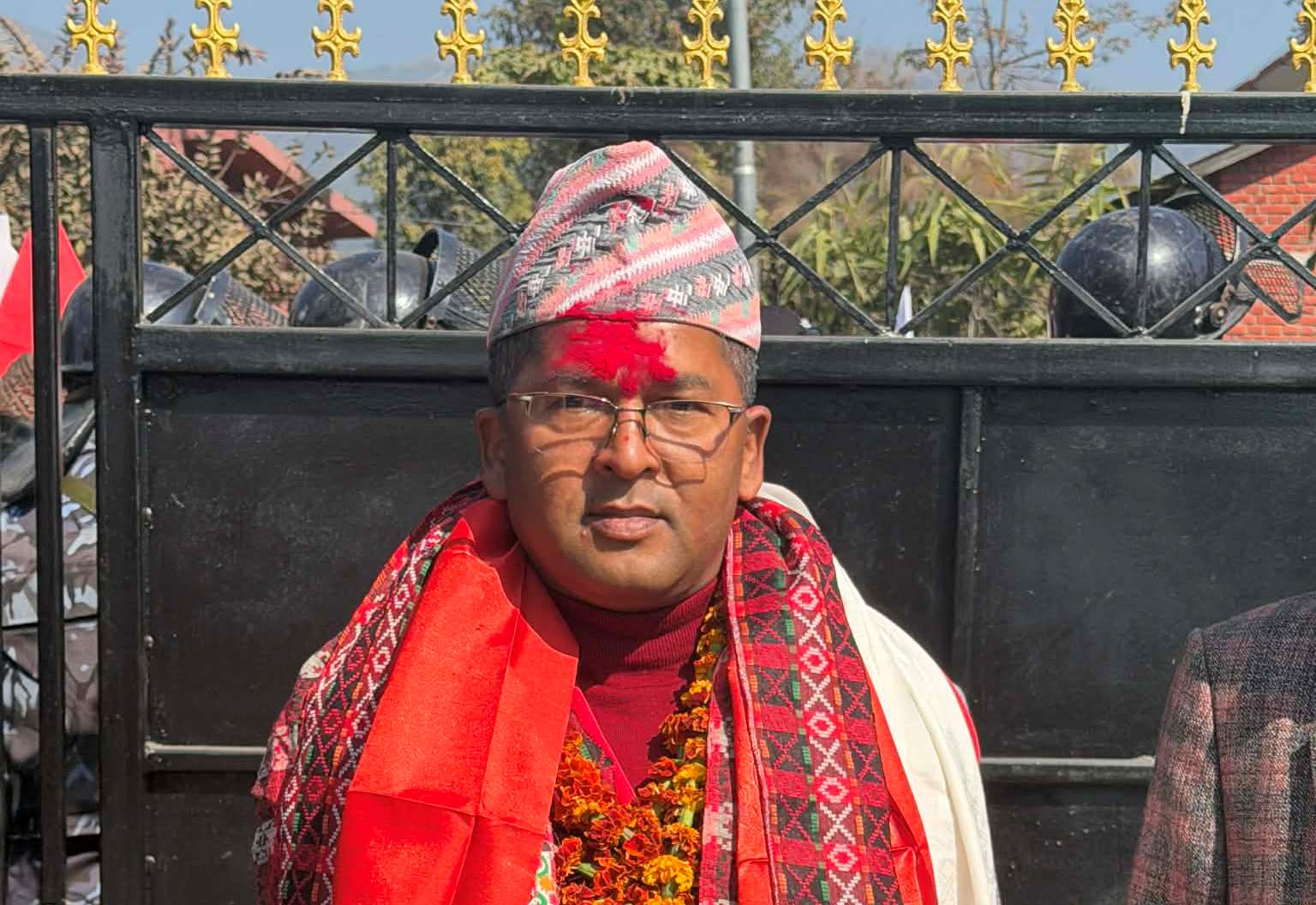
Meanwhile, Malla, a former commander of the People's Liberation Army and the leader of the Surkhet 'Jailbreak,' stated that since he has not been involved in any other activities, the youth view him positively. "I went to war at a young age for societal change; the system changed because of our sacrifice and struggle during the 10-year People's War," he said. "However, the condition of the people has not changed; we have transformed again to change the situation."
Therefore, he is confident that the people will elect him. Furthermore, Malla has made the development activities led by the Maoists in western Surkhet an election issue. He highlights the development work done in the region while Bindaman Bista of the Maoist party served as a Provincial Assembly member and later the Province's Finance Minister from the western region since 2074 BS. Additionally, he has included IT colleges and strategic roads in every local level in his commitment paper.
Former Maoist cadres here had not had the opportunity to vote for their own candidate for eight years. In 2074 BS, the Maoists supported UML's Navaraj Rawat under the Left Alliance, and in 2079 BS, they supported Congress's Hridayaram Thani under the Left-Democratic Alliance. Both won. Malla states that cadres are excited to vote for their own candidate this time.
Congress candidate Koirala also claimed victory. "I am a person who understands every village and area here; the role of the Congress has been significant in every development activity here," he said. "Since Congress has transformed now, we are confident of winning."
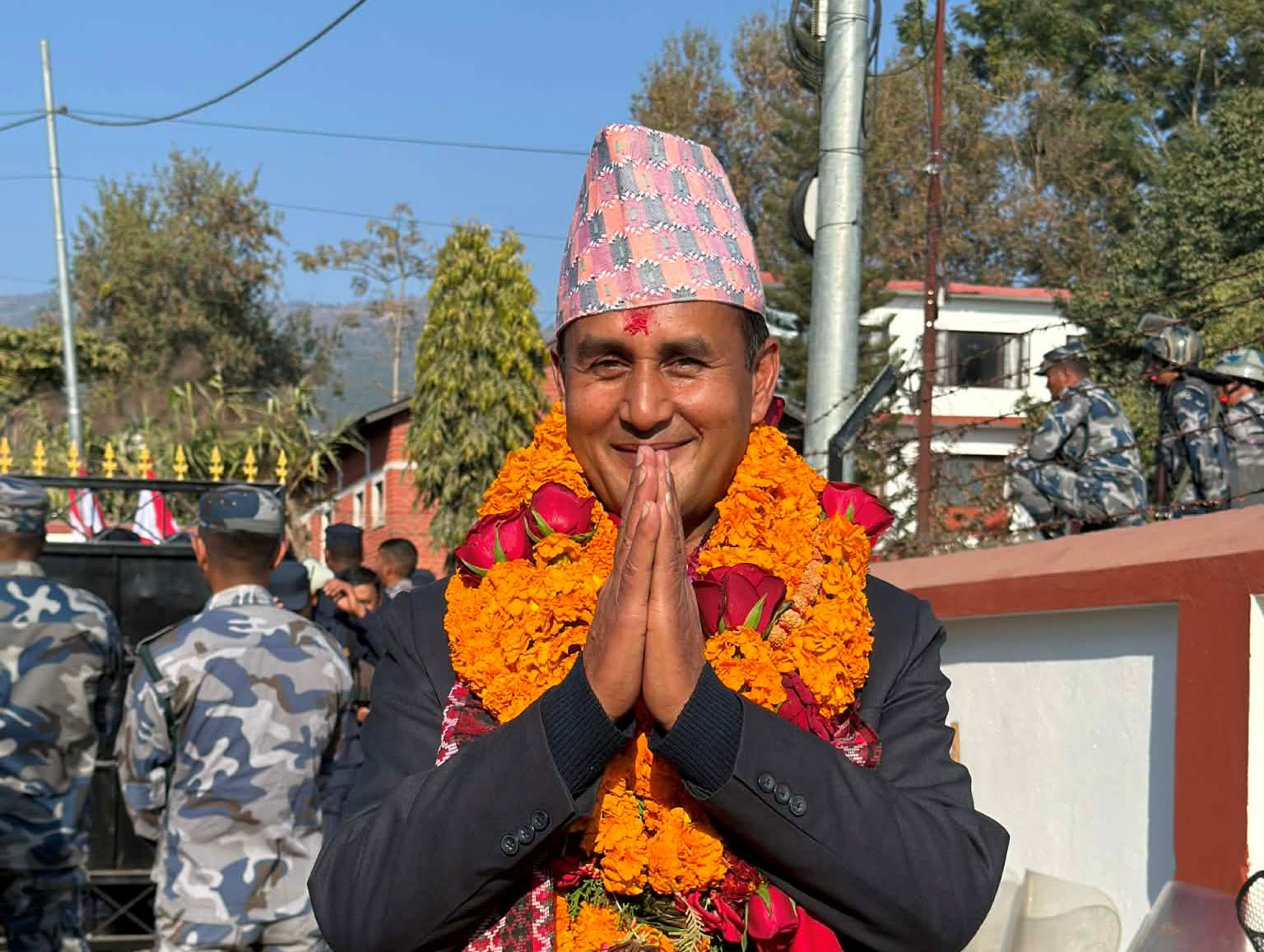
A former journalist, he is known in Surkhet as an intellectual and modest young leader. However, there is discussion about whether he will receive full support from within the Congress. He was previously a leader from the dissenting faction. Nevertheless, Koirala stated there are no internal party issues. The old parties consider the past mandate and organizational strength as the basis for their victory.
RSP candidate Sapkot considers the current wave of public sentiment in favor of change as the basis for his victory. He says, "The old parties do not believe that the people have awakened in favor of change internally."
_cMKUtAfPqn.jpg)
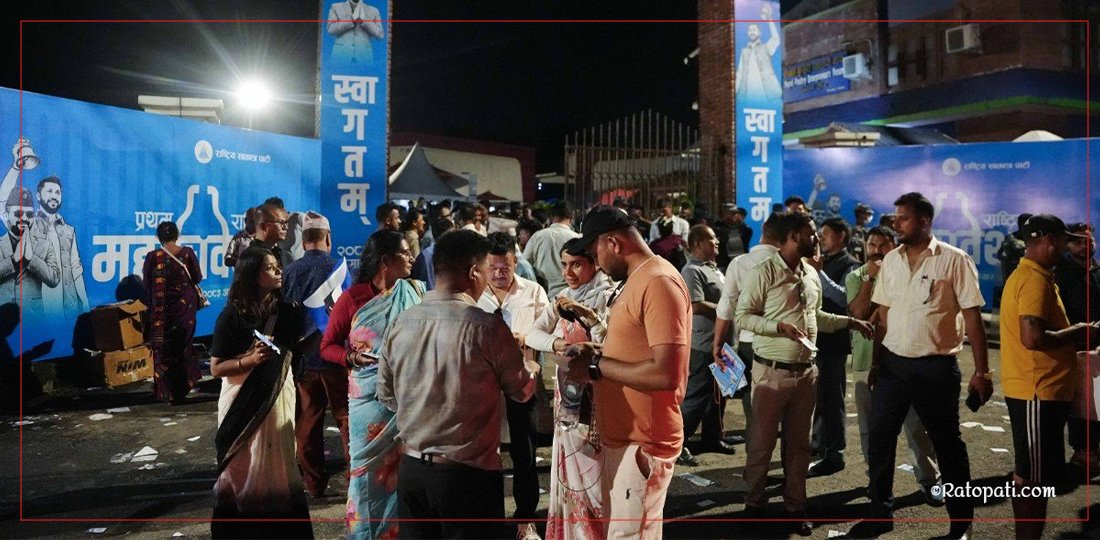
The RSP central leadership has designated Surkhet-2 as its key winning constituency in Karnali. Consequently, the RSP demonstrated significant strength at the election rally held at the Ghanta Ghar in Birendranagar last Thursday. "That demonstration shows that the RSP is enthusiastic about winning this constituency," says Sapkot.
Although Sapkot, a former Congress member, is expected to influence votes from that party, he claims that votes from all parties will go to the RSP. He also stated that the vote share received by parties in the past does not match the current electoral atmosphere.
In 2079 BS, in the proportional representation category for the House of Representatives here, UML received the most votes with 25,086, Congress received 23,010, Maoist received 10,059, and RSP received 6,146 votes. However, in the first-past-the-post category, Congress's Hridayaram Thani won with 34,625 votes, supported by the Maoists. UML candidate Amrit Bisi received 29,558 votes. The RSP candidate received 4,601 votes.
While the old parties publicly deny the RSP as an electoral competitor, they appear internally concerned about votes crossing over to the RSP.
This specific news has been automatically translated by AI. As a result, there may be some inaccuracies or language errors.
_Yq85YOxh21.jpg)