One Year Since Nepali Student Prakriti Lamsal's Death: Lingering Questions on Campus Safety and Institutional Accountability

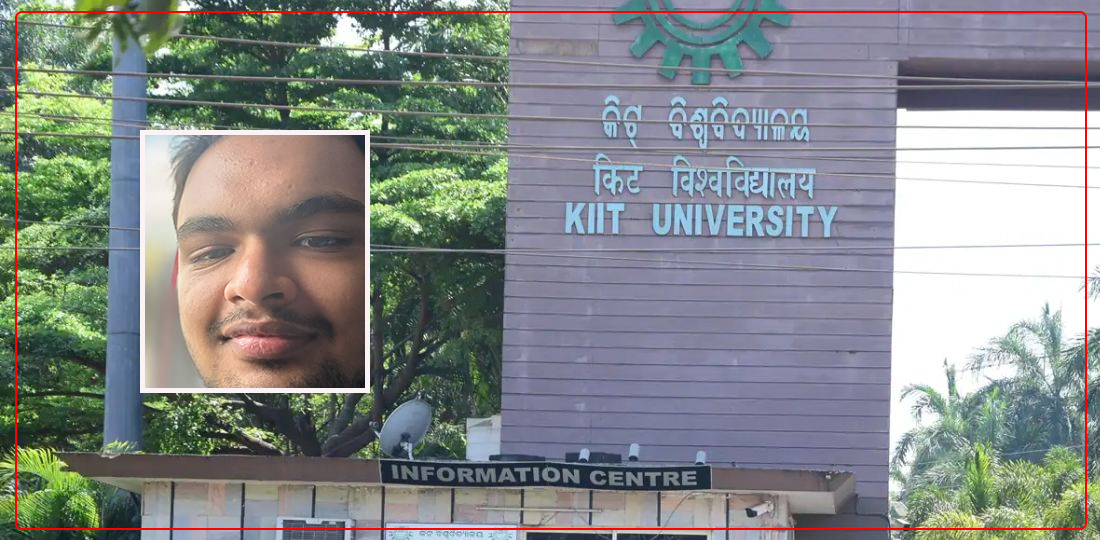
On the night of February 16, 025, 20-year-old Nepali student Prakriti Lamsal was found dead inside her room at our campus hostel. According to the police, she was found hanging, and initial investigations and the post-mortem report suggested suicide. That night, the campus was concluding its annual festival.
Prakriti Lamsal's death raised serious questions regarding institutional responsibility and student safety. According to her family and friends, about eleven months before her death, in March 024, she had filed a complaint with the campus administration against her classmate, Advik Srivastava, regarding abuse, mental harassment, and molestation.
However, timely, effective, and adequate action was not taken on those complaints. Following the incident, Indian police arrested the concerned individual on charges of abetting suicide and began an investigation.
I was returning from outside the campus with my friends that night. Upon entering the hostel premises, unusual activity was visible. Some time later, the news spread that a Nepali student had been found dead. Subsequently, an atmosphere of grief, anger, and confusion spread among the Nepali students.
That same night, Nepali students held a peaceful protest on the campus grounds. As the situation became sensitive, two platoons of Odisha Police were deployed on the campus. The presence of the police clearly indicated the seriousness of the situation.

The situation changed unexpectedly the next day. Nepali students were told to leave the campus and were escorted out of the hostels under the presence of security personnel. Being forced to leave the campus amidst mourning for our friend was an extremely painful experience.
This incident also drew widespread reaction in Nepal. The Government of Nepal expressed concern through diplomatic channels, and discussions were held regarding student safety. India's Ministry of External Affairs stated that it was conscious of the safety of foreign students. The university administration also expressed sorrow over the incident and stated it was cooperating with the investigation.
This incident raises an important question: How seriously do educational institutions take the complaints raised by students? And, how seriously do they take the issues raised by Nepali students? Educational institutions are not just centers of teaching; they are also the foundation of student safety, respect, and trust.
Institutional sensitivity and accountability become even more crucial, especially for foreign students.
Prakriti Lamsal cannot return now. But her incident has given us a clear message: If student grievances are not heard in time, if their safety is not ensured, and if institutional accountability is not strengthened, all efforts seem to be mere assurances.
(Gautam is a Nepali student studying at Kalinga Institute of Industrial Technology (KIIT), Bhubaneswar, Odisha, India.)
This specific news has been automatically translated by AI. As a result, there may be some inaccuracies or language errors.