Understanding Uterine Fibroids: Causes, Symptoms, and Prevention Tips for Women's Health


As the date of menstruation approaches, an unspoken fear begins to settle in the mind. The worry that bleeding might be excessive again, or that the unbearable pain might have to be endured once more. For many women, this is not just a date, but a source of recurring monthly anxiety.
Often, these pains are considered 'normal.' However, experiencing this every time is not normal. In many cases, the cause could be 'Uterine Fibroids.' In fact, when small lumps form on the wall of the uterus, they are called Uterine Fibroids.
Due to changing lifestyles, obesity, and hormonal imbalances, the problem of fibroids is increasing among women. According to research in the 'Journal of Contemporary Clinical Practice,' approximately 7 to 8 out of every 10 women worldwide may develop fibroids by the age of 50. This means that by this age, fibroids can form occasionally in most women.
Therefore, today in Physical Health, we will learn what Uterine Fibroids are, what their symptoms and causes are, and when it is necessary to see a doctor.

What are Fibroids?
Fibroids are non-cancerous growths that form in or around the uterus. They are made up of muscle and fibrous tissue.
They are also called uterine myomas or leiomyomas. The size of fibroids can vary. Some fibroids are as small as a pea seed, while others are so large that the abdomen visibly appears swollen or raised.
The exact cause of fibroid formation is not fully clear yet, but doctors consider a few main reasons. Understand from the points below:
Potential Causes of Fibroids
- Hereditary reasons
- Hormonal imbalance*
- Unhealthy lifestyle
- Excessive amount of Extracellular Matrix (ECM)*
- Chronic toxins
- Obesity
- Vitamin-D deficiency
(*Hormonal imbalance - Imbalance of the two main female hormones Estrogen and Progesterone.)
(*Extracellular Matrix - ECM is a type of glue that binds cells together.)
The hormones Estrogen and Progesterone promote the growth of fibroids. This is why, after menopause (when menstruation stops), many times fibroids shrink on their own as hormone levels decrease. Fibroids grow at different rates in every woman. Some grow slowly, some quickly, and some remain the same size for a long time.
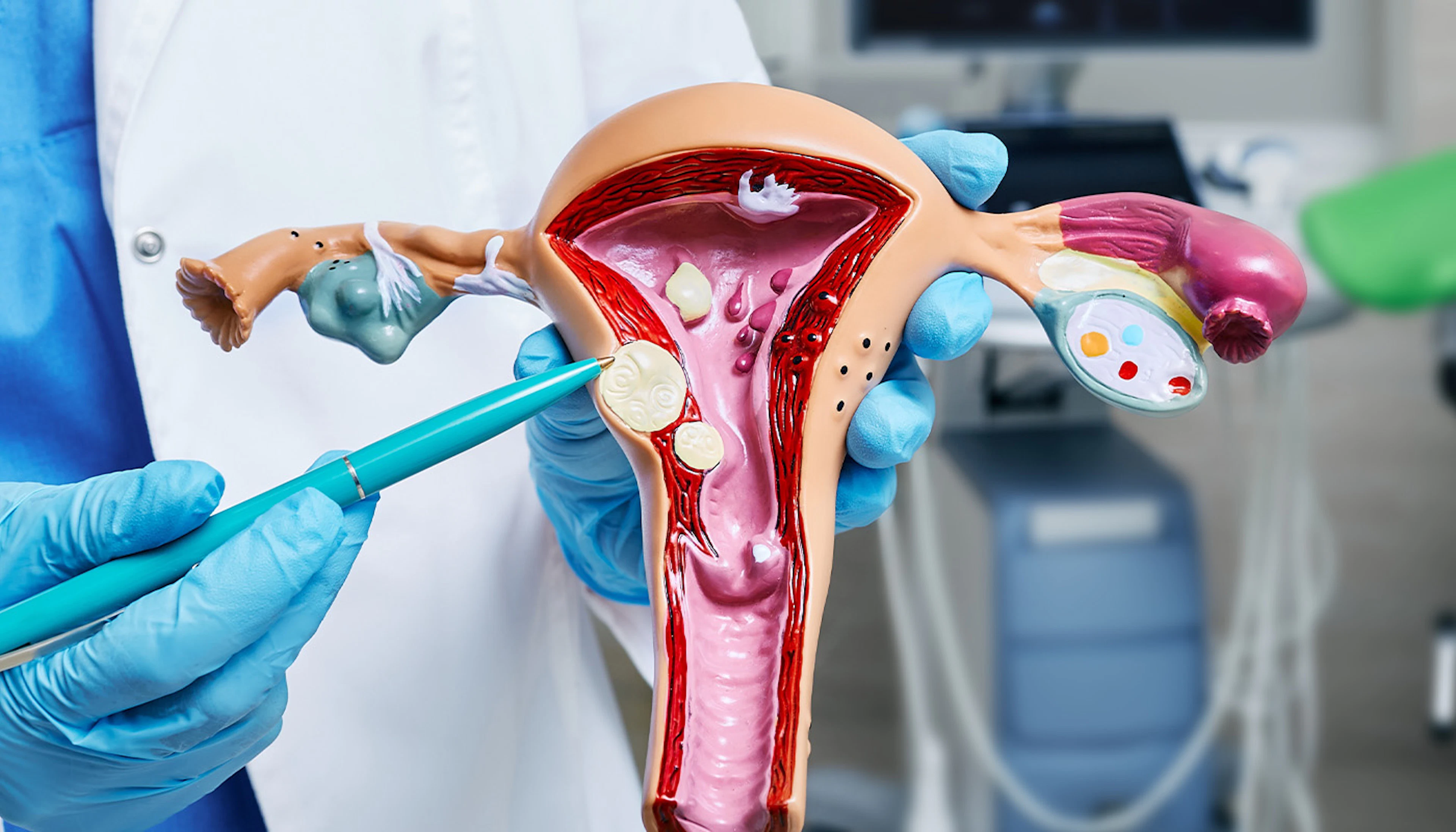
What are the types of Fibroids?
Fibroids are divided into four main types based on their location:
- Intramural Fibroid: These are inside the wall of the uterine muscle and are the most common type.
- Submucosal Fibroid: These grow just below the innermost layer of the uterus. This is the layer responsible for menstruation.
- Subserosal Fibroid: These form on the outer surface of the uterus and grow outwards. If they become large, the lower abdomen may appear swollen, and pressure can be exerted on the bladder or intestines.
- Pedunculated Fibroid: These are less common. They are attached to the uterine wall via a small stalk (called a pedicle).
What are the symptoms of Fibroids?
The symptoms of fibroids are not the same for every woman. Sometimes they grow slowly, and initially, no specific problem is felt. But as the size of the fibroid increases, the body starts giving signals.
Some common symptoms of fibroids:
- Heavy bleeding during menstruation
- Excessive pain during menstruation
- Frequent menstruation
- Prolonged menstruation
- Frequent urination
- Pain during intercourse
- Lower back pain
- Vaginal discharge
- Chronic constipation
- Increase in abdominal size
- Feeling very tired
- Heaviness or swelling in the lower abdomen
When should you see a doctor?
It is necessary to see a doctor if there is persistent pain in the lower abdomen, heavy bleeding or pain during menstruation, frequent periods, or continuous fatigue. Seek immediate medical attention if there is sudden heavy bleeding or severe pain in the lower abdomen.
What are the factors that increase the risk of fibroids?
In some situations, the risk of developing fibroids increases. These situations are related to hormonal balance and lifestyle:
- Obesity
- Family history of fibroids
- Early onset of menstruation
- Never having been pregnant
- Late menopause
- Smoking and drinking alcohol
How are Uterine Fibroids treated?
Treatment depends on the size, number, location, and symptoms of the fibroids. For small fibroids without symptoms, regular monitoring is often advised. If necessary, options like medication, hormonal therapy, or surgery are adopted.
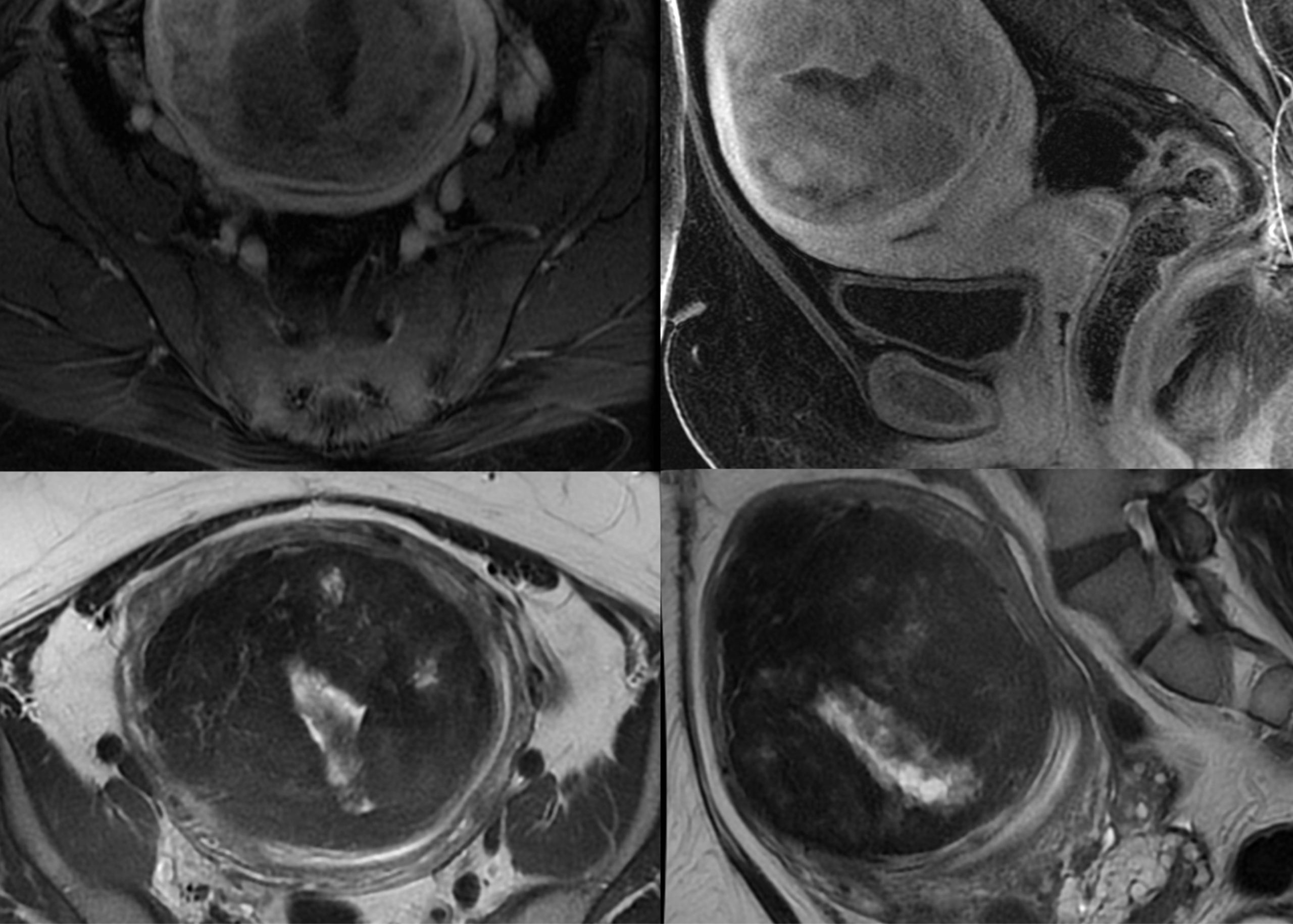
In most cases, fibroids are visible on a simple ultrasound. But sometimes their size is very small, or their location is such that they are not clearly visible. In such cases, the doctor may advise tests like a transvaginal ultrasound or MRI.
How can the risk of fibroids be reduced?
It is important to pay attention to lifestyle and diet to reduce the risk of fibroids. Incorporate the following into your daily life:
Tips to Reduce Fibroid Risk
- Eat fiber-rich food.
- Eat green vegetables.
- Eat berries and seasonal fruits.
- Eat whole grains.
- Eat flaxseeds.
- Consume healthy fats.
- Do not eat sugar and refined carbohydrates.
- Exercise regularly.
- Sleep for 8 hours.
Green vegetables and whole grains contain fiber, which helps in hormonal balance. Berries and turmeric have anti-inflammatory properties. Flaxseeds and healthy fats support overall body health.
Some common questions and answers related to fibroids
- Can fibroids cause anemia (blood deficiency)?
Yes, anemia can occur due to frequent or heavy menstrual bleeding. If symptoms of anemia appear along with fibroids, talk to a doctor immediately.
- Can fibroids cause cancer?
No, in most cases, they are non-cancerous.
- Can fibroids be eliminated with medication?
Medication does not completely eliminate fibroids, but it can help control their symptoms and slow down their growth.
- Can fibroids recur?
Yes, in some cases, new fibroids can form even after treatment. Therefore, regular follow-up (check-ups) is necessary.
Uterine fibroids can be managed well with timely check-ups, a balanced lifestyle, and a doctor's advice.
This specific news has been automatically translated by AI. As a result, there may be some inaccuracies or language errors.