US and Iran Resume Nuclear Talks in Geneva Amid Heightened Military Tensions

Geneva. As military activities intensify in the Middle East, the United States and Iran have agreed to commence the second round of talks in Geneva regarding Iran's nuclear program. The resumption of diplomatic dialogue amidst tense relations between the two nations is being viewed as a significant indicator.
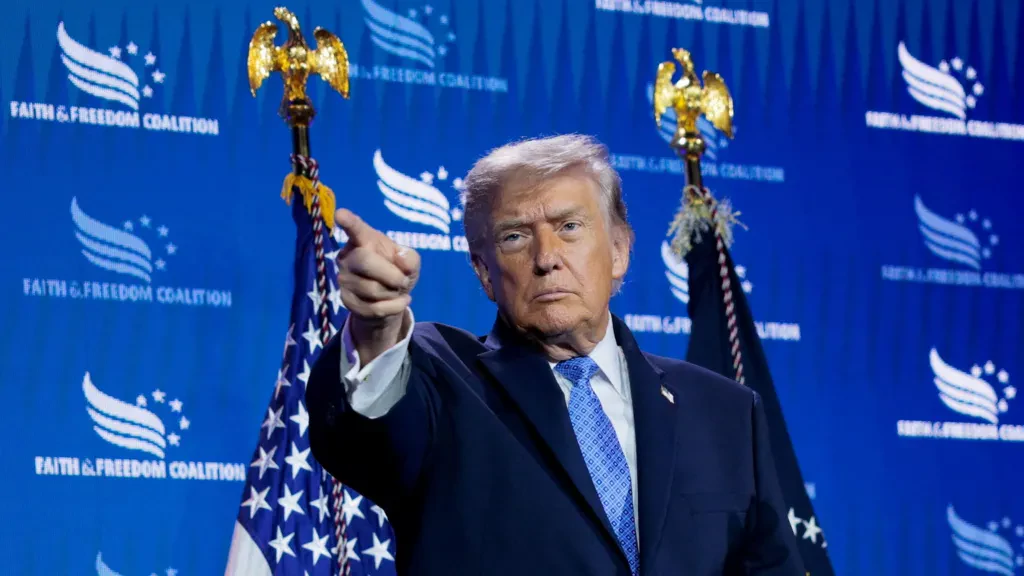
US President Donald Trump has been pressuring Iran to limit its nuclear program, warning that force could be used if necessary. Iran has consistently stated it will retaliate if such a step is taken. Trump also reacted strongly to the recent crackdown on nationwide protests in Iran.
The first round of indirect talks between the two sides took place in Oman on February 6, where discussions were conducted separately. Although the second round is set to take place in Geneva, clear details about its format have not been made public.
Trump's envoys, Steve Witkoff and Jared Kushner, are traveling for the talks. US Secretary of State Marco Rubio, currently visiting Budapest, Hungary, stated that the US is seeking a peaceful agreement despite difficulties. "The President always prioritizes finding a solution through dialogue," he said.
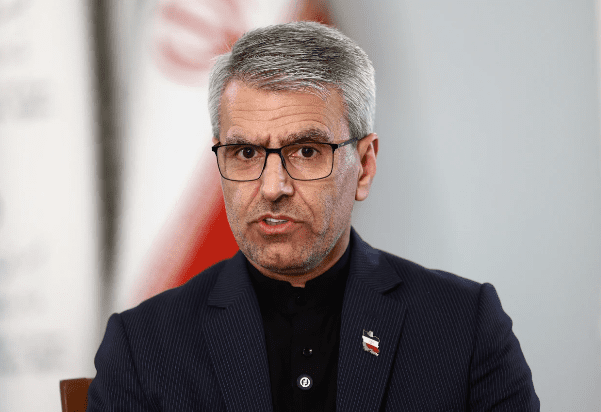
Iranian Deputy Foreign Minister Abbas Araghchi met with the head of the UN's nuclear watchdog agency in Geneva. He indicated readiness to seek a fair and just agreement while making it clear that surrender based on threats would not be acceptable. Oman's Foreign Minister, Badr Al-Busaidi, signaled continued mediation efforts, emphasizing the need for regional peace and restraint.
Meanwhile, military activities have increased alongside the talks. Iran's paramilitary Revolutionary Guard announced the start of naval exercises in the Strait of Hormuz, the Persian Gulf, and the Gulf of Oman. These waterways are crucial for global trade, supplying about 20 percent of the world's oil. Some security groups have warned of possible live-fire exercises in the northern lane, although Iranian state media has not confirmed this.
The US has also reinforced its military presence. The USS Gerald R. Ford aircraft carrier has been dispatched to the Middle East, where the USS Abraham Lincoln and other warships are already deployed. The US military recently announced it shot down an Iranian drone that approached the Lincoln. Nations in the Gulf region, affected by the Israel-Hamas war, have warned that further conflict could escalate into a regional crisis.
Another key topic for the talks appears to be international sanctions. The Trump administration stated it is seeking an agreement to limit Iran's nuclear program and halt weapons development. Iran, however, insists that it is not pursuing nuclear weapons and maintains its demand for sanctions relief. Deputy Foreign Minister Majid Takht-Ravanchi stated that a path to agreement could open if the US acts sincerely.
The negotiation process was previously halted after Israel launched a 12-day attack on Iran last June, during which US forces also struck Iranian nuclear facilities. Iran maintains that its program is solely for peaceful purposes.
Before the conflict, Iran stated it was enriching uranium up to 60 percent purity, which is considered just below weapons-grade. As tension and dialogue proceed concurrently, the second round of talks in Geneva is expected to determine the future direction.
This specific news has been automatically translated by AI. As a result, there may be some inaccuracies or language errors.