Nepal Rastra Bank Act Amendment Bill Seeks to Modernize Central Bank Operations


Kathmandu. The government has expedited the process to amend the Nepal Rastra Bank Act, 2058. The Ministry of Finance is preparing the bill draft to make the country's central bank contemporary and has sought suggestions from stakeholders and the general public for a week.
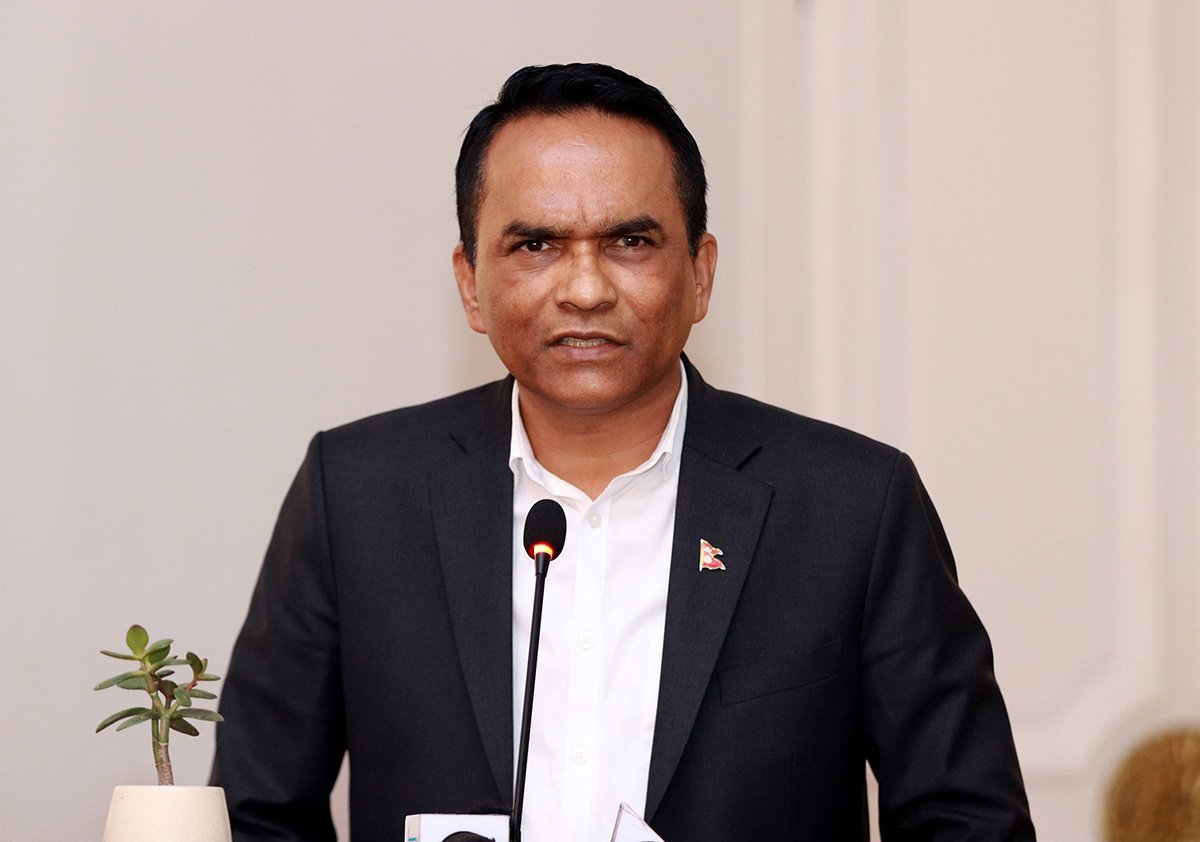
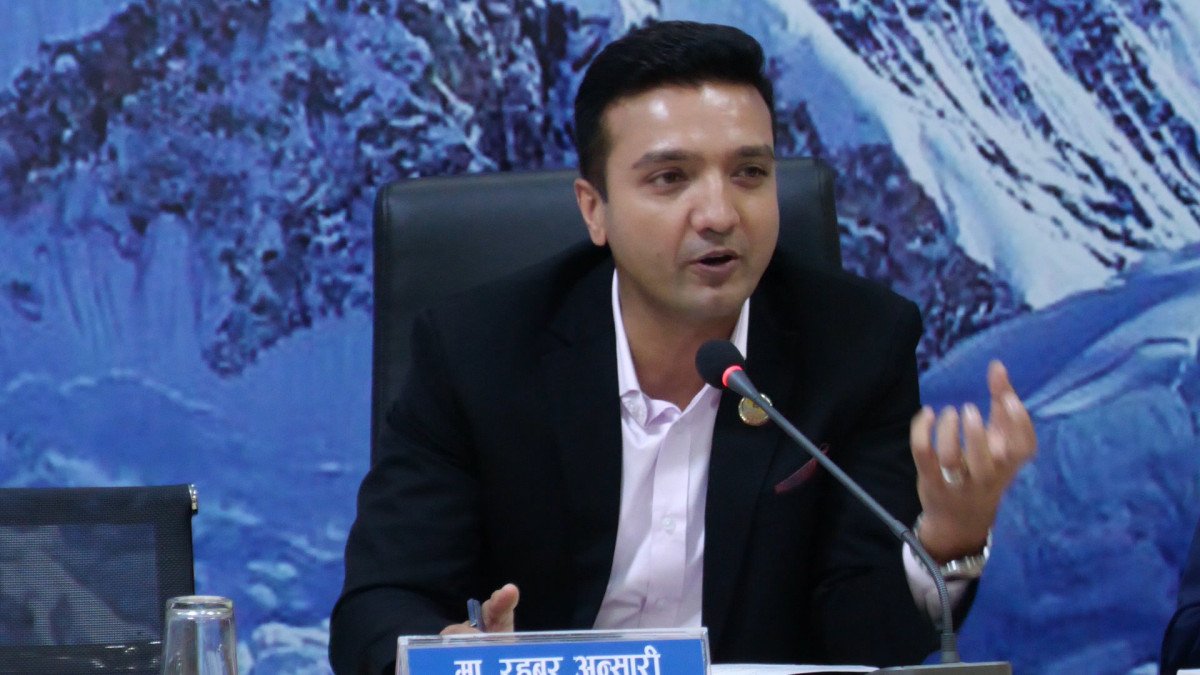
Ministry Spokesperson Tankaprasad Pandey stated that the bill, incorporating suggestions received during this period, will be presented to the Council of Ministers after necessary revisions. The government is advancing this process now to provide business to the new parliament. Pandey also informed that this matter is included in the ministry's annual work plan.
The bill contains significant provisions regarding the operation or regulation of the Nepal Rastra Bank and the appointment of its officials. The proposed draft also mentions provisions ranging from the establishment of digital banks to the issuance of digital currency. Provisions for managing failing banks and financial institutions, and controlling the loans the government takes from the central bank, are also proposed in the draft.
Paving the Way for Digital Currency and Digital Banking
The bill has broadened the definition of 'currency'. Previously, currency referred only to paper notes and coins, but the proposed amendment now includes 'digital currency' within the definition of currency. If the bill is passed, the Nepal Rastra Bank will have the legal path open to issue Central Bank Digital Currency in the future.
Central banks worldwide are practicing digital currency as an alternative or supplement to physical currency. In this context, Nepal has begun legal preparations. This provision will create the legal basis for establishing fully digital banks, or 'Neo Banks', in Nepal.
Bridge Bank to Manage Crisis-Hit Banks
The bill introduces an international standard practice for resolving banks and financial institutions declared problematic. Previously, the process for declaring an institution problematic and taking it into liquidation was long and cumbersome, making the return of depositors' money uncertain. The proposed bill grants the Rastra Bank the authority to establish a Bridge Institution or Bridge Bank for this purpose.
Under this provision, if a bank reaches a state of financial collapse, instead of liquidating it, such an institution will manage the assets until its fixed assets and liabilities are sold.
'Clawback' Provision to Prevent Banking Offenses
The bill introduces the concept of 'Clawback' concerning banking offenses and irregularities in this sector. If a bank or financial institution is declared problematic, during the settlement of its liabilities, any transaction where an individual who was a director or official in that institution for five years prior, or their relative, transferred or gifted any asset against the interest of the institution, can be nullified, and the asset recovered.
Similarly, transactions involving the sale of assets at a lower price or gratuitous transfer to a third party three years prior can also be voided. The bill ensures the authority to recover assets from the estate of any person found to have concealed assets with malicious intent.
In the event of an institution's liquidation, small depositors will be given priority in the distribution of funds received from the sale of its assets. Clause 85(j) of the bill places the amount covered by deposit insurance or security within the payment priority, meaning depositors up to NPR 500,000 will have the first priority for payment.
Stricter Rules for Restructuring the Board of Directors and Governor Appointments
The bill also modifies the structure and appointment process for the Board of Directors. Previously, three directors were appointed to the Rastra Bank; the proposal suggests increasing this to five non-executive independent directors.
Changes have also been made to the provision for appointing Deputy Governors; an individual working as an Executive Director can only be recommended for Deputy Governor if they have at least one month remaining until mandatory retirement.
Furthermore, a provision has been made that a person cannot hold shares exceeding one percent in any bank or financial institution to qualify as a director of the Rastra Bank; the current limit is five percent.
Restrictions on Government Borrowing
The draft bill also revises the limit on the amount of loan the government can take from the central bank. In Clause 75 of the Act, the government could take overdraft loans up to five percent of the previous year's revenue income. This is being regulated, and the proposal suggests limiting the loan to up to five percent of the average revenue income of the past three years.
Moreover, a mandatory provision has been introduced requiring such loans to be repaid within 180 days, and if repayment is not possible, they must be converted into marketable bonds and sold in the market. By setting the interest rate for government loans to be equivalent to the market interest rate, the bill seeks to maintain a balance between monetary policy and fiscal policy.
Clear Provision for Lender of Last Resort Facility
To address situations where extreme liquidity shortages in the financial market could pose a risk to the banking system itself, the bill includes a provision regarding the lender of last resort. By adding Clause 49(a), a provision has been made to provide loans if a financial institution poses an overall systemic risk when liquidity management through interbank transactions or other means is not possible.
Such loans will be provided for a maximum of 180 days, and banks will have to pledge performing loans or other assets as collateral. Previously, this provision was managed through regulations; this arrangement is proposed to grant legislative authority.
Changes to the Committee for Dismissing the Governor
The bill amends the process for removing the Governor, Deputy Governors, and Directors. By proposing an amendment to Clause 23, the Ministry has stipulated that the chairperson of the inquiry committee regarding these officials must be a retired individual from the position of Chief Justice of the High Court. Previously, the committee required a retired Supreme Court Justice.
Additionally, a mandatory provision has been introduced requiring the government to decide on action within one month of the committee submitting its report. Previously, no time limit was specified. In the absence of this, there was a possibility that the government could indefinitely delay a decision and retaliate against the officials.
Autonomy of the Central Bank and Security of Employees
To strengthen the autonomy of the Rastra Bank and create an environment for employees to work without fear, the bill reinforces the legal immunity provision. The proposed amendment in Clause 107 stipulates that the Governor, Directors, employees, or the Special Administration Group of the bank shall not be held personally liable for actions taken in good faith. If a lawsuit is filed against actions taken in good faith, the bank will bear the cost of such litigation. Although this provision exists currently, this proposal aims to formalize it through law, but the bill states that they will be personally responsible for wrongful acts committed in bad faith or knowingly.
Capital Increase and Establishment of Various Funds
The bill also modifies provisions related to capital and funds to strengthen the financial position of the Rastra Bank. By amending Clause 39, the government proposes to establish various types of funds, including the Revaluation Reserve Fund, Financial Development Fund, and Special Reserve Fund.
The provision for establishing a Financial Development Fund, not exceeding five percent of the total monetary liabilities, is intended to operate programs for financial literacy and inclusion to enhance financial sector stability, access, and system strengthening.
Permission to Coordinate with All Levels of Government
The bill also grants permission to the Rastra Bank to coordinate with all levels of government. The Ministry stated that various clauses have been amended to align the Nepal Rastra Bank Act with the federal structure of the country. The terminology 'Government of Nepal' in the Act has been replaced with 'Government of Nepal, Provincial Government, and Local Level'. This will facilitate coordination, data collection, and financial facilitation for the central bank with all three tiers of government.
The regulatory authority of the bank has also been expanded. The Rastra Bank will now be able to regulate and supervise not only banks and financial institutions but also financial holding companies and their subsidiaries.
The authority to exchange information through agreements with international regulatory bodies and to supervise branches or liaison offices located abroad has also been clearly mentioned in the Act.
What Do Experts Say?
The Nepal Rastra Bank Amendment Bill was previously presented in the dissolved House of Representatives. However, the bill became inactive when the parliament was dissolved while it was under consideration. Now, the bill will be presented again in the new parliament.
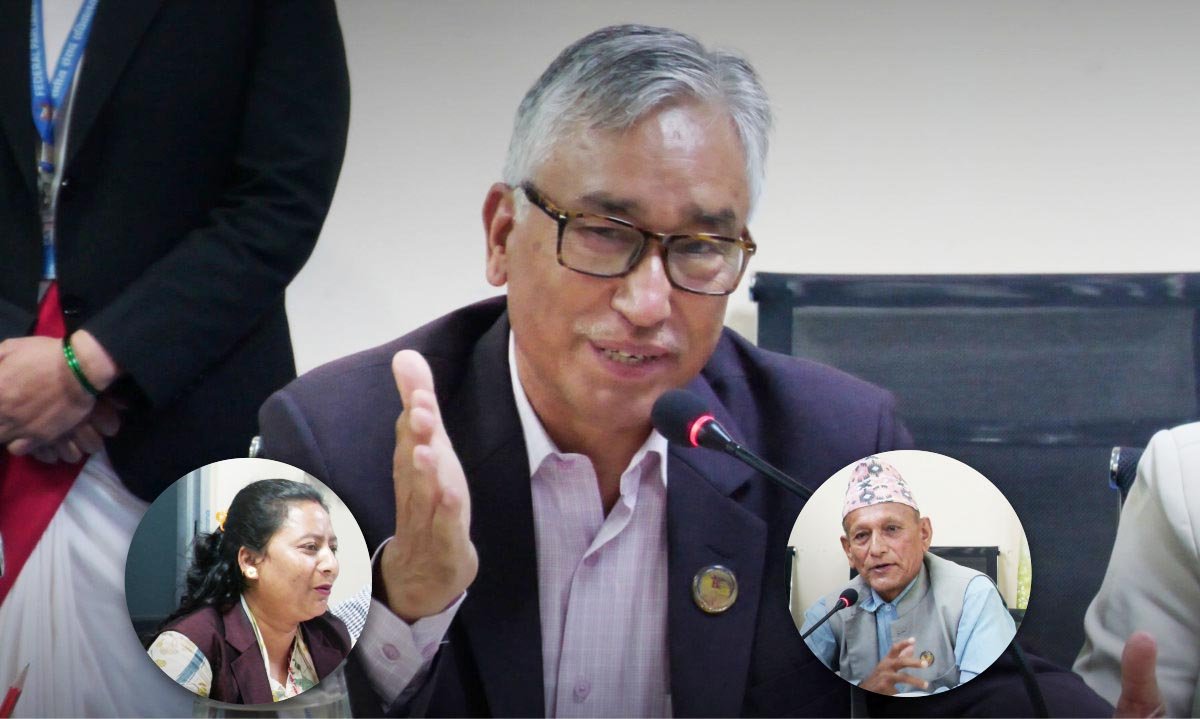
Former Governor Chiranjibi Nepal states that amending the law in a timely manner is necessary to restore the autonomy of the Nepal Rastra Bank and manage its authority according to its expanding scope, and the Rastra Bank amendment has come accordingly. He mentioned that the proposed bill is a continuation of the bill previously under consideration in parliament and is necessary.
Governor Nepal emphasizes the need to restore the autonomy of the Rastra Bank that was previously usurped by the government. He pointed out that the 2074 amendment introduced a provision allowing the government to issue directives to the Rastra Bank by adding Clause 106(c) of the Act, and this needs to be reversed.
While the provision to increase the number of directors appointed to the Rastra Bank from three to five in the new bill is good, he stated that along with this, there is a need to add one more Deputy Governor, given the expanding scope of the Rastra Bank's work.
Although the bill presented by the government in the previous parliament would have been in the final stage of passing if the process had continued, the bill has now undergone significant changes. Ministry Spokesperson Pandey says that the contents of the bill have been changed based on suggestions from the Rastra Bank and market needs, and the parliament has the path open to make necessary amendments or revisions. Pandey says, 'What the government and the Rastra Bank propose is just a proposal,' he says, 'What to keep and what not to keep is up to the parliament. We send what we deem necessary. This is also not final; it can be amended in various stages.'
This specific news has been automatically translated by AI. As a result, there may be some inaccuracies or language errors.