Water Released from Dhap Dam to Boost Bagmati River Flow for Mahashivaratri Festival

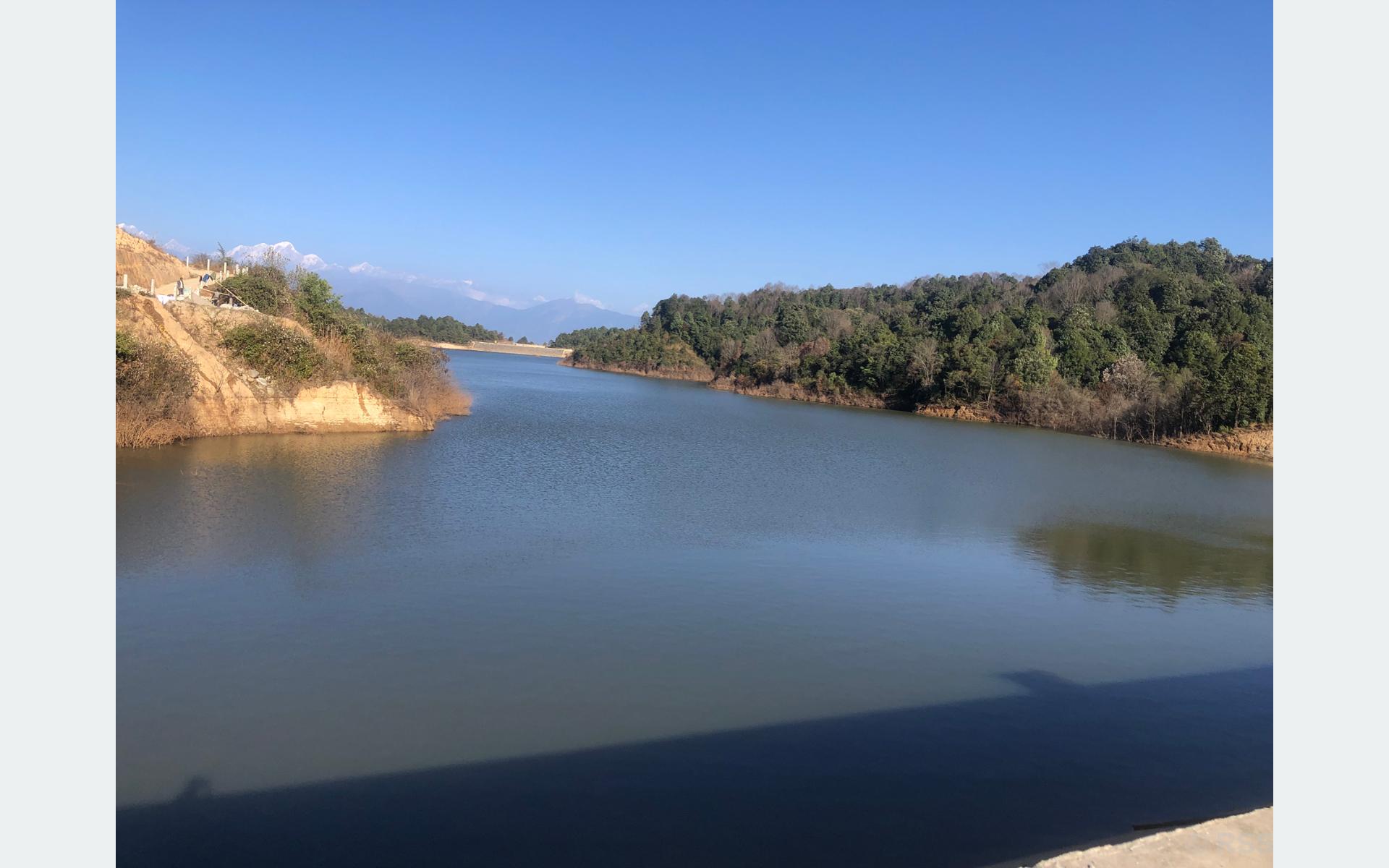
Water has been released from the Dhap Dam to increase the flow in the Bagmati River, targeting the Mahashivaratri festival this year. Water is being released from the Dhap Dam with the objective of assisting devotees in bathing and enhancing the river's aesthetic appeal.
The Bagmati Improvement Project, under the Authority-led Integrated Development Committee for Bagmati Civilization, stated that water was released to manage the large influx of devotees expected at the Pashupatinath Temple premises on Mahashivaratri day.
The project informed that the release of water from the dam began gradually this afternoon to increase the flow. The project has coordinated to ensure continuous water flow in the river throughout the festival period.
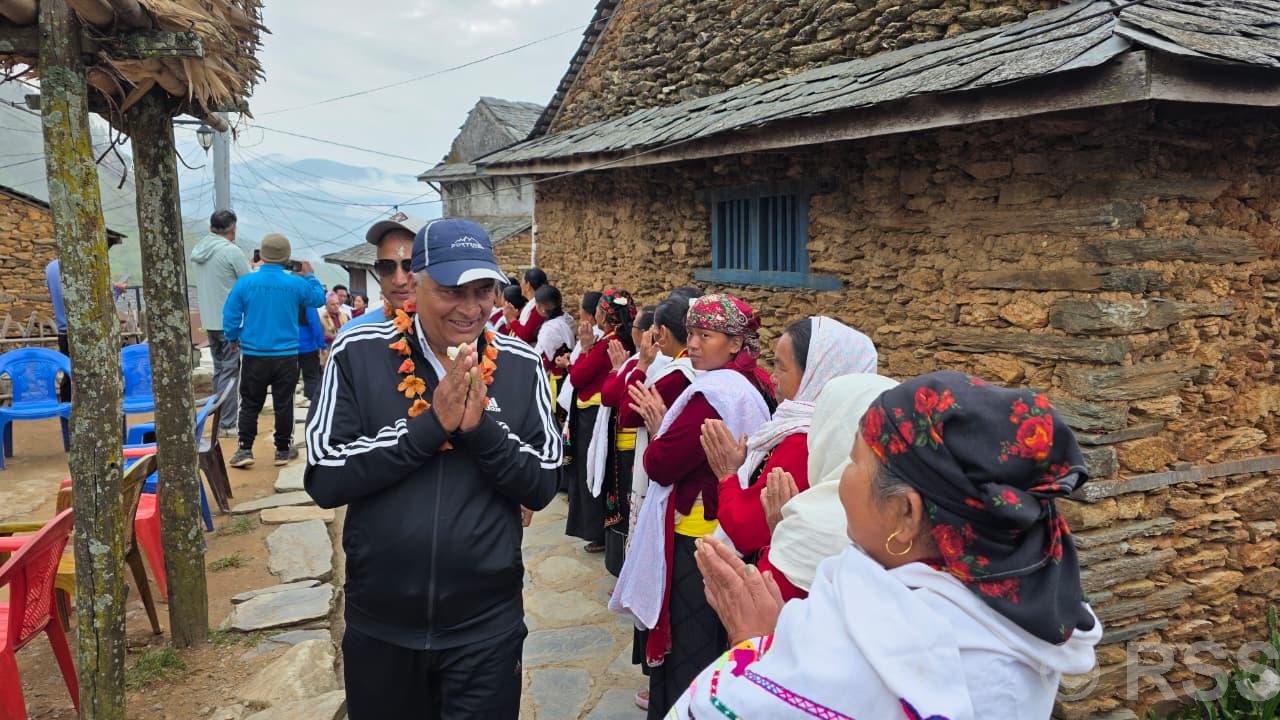
Uddhav Nepal, Deputy Director and Information Officer for the project, confirmed that the release of water from the Dhap Dam started today, targeting Mahashivaratri. "It takes about 14 hours for the water from the Dhap Dam to reach the Pashupati area, which is why we started releasing the water today," he said. "We have been releasing water from the dam into the Bagmati on special occasions." Thousands of devotees from home and abroad visit Pashupatinath for darshan and bathe in the Bagmati on the occasion of Shivaratri.
400 Liters Per Second of Water Released
According to the committee, 400 liters of water per second will be released into the Bagmati River for three days. "When the water is released, the water level in the Bagmati River rises to knee-level, making it easier for pilgrims to bathe in the river, and we expect this to enhance the river's beauty as well," Nepal stated. "We have also requested the Melamchi Water Supply Development Committee to release water into the Bagmati River."
Coordination with KUKL
Coordination has been established among relevant bodies in preparation for increasing the water flow in the Bagmati River on the occasion of the Mahashivaratri festival. The Kathmandu Valley Water Supply Limited (KUKL) has been requested via the Sundarijal Water Treatment Branch to release water into the river.
Previously, on Jestha 23, 2081 BS, stakeholders' meeting had decided on the matter of water flow in the Bagmati during various festivals. According to Shambhuraj Pandit, Chief of the Bagmati Improvement Project, 320 million liters of water from the Dhap Dam have been supplied to the KUKL Sundarijal branch so far. He also mentioned that KUKL has reimbursed a total of 279.8 million liters of water during various festivals.
According to Pandit, it has been requested to release water into the Bagmati at a rate of 400 liters per second on the occasion of Mahashivaratri, with the account of the water released to be reconciled later. "We have requested that water be flowed into the river from 6:00 PM today until 6:00 PM on Sunday," he said.
Preparation to Release Up to Five Crore Liters of Water
Preparations are underway to release approximately five crore liters of water into the Bagmati River for the Mahashivaratri festival. Hem Budhathoki, Chief of the Sundarijal Water Treatment Project under the Kathmandu Valley Water Supply Limited (KUKL), informed that water release would commence at 6 PM today.
"The project has officially written a letter requesting the release of water into the Bagmati River," he said. "Accordingly, preparations are being made to release about 50 million liters from the Melamchi Water Supply Project's water at the Sundarijal Treatment Center until 6 PM on Sunday."
During the monsoon last year, when the Melamchi project was temporarily shut down, water from the Dhap Dam was borrowed. However, KUKL has stated that it has not borrowed water from the Dhap Dam this year.
Melamchi water has also been supplied to the Bagmati to increase the flow during important festivals like Chhath. The Melamchi project also released water into the Bagmati during last year's Mahashivaratri.
No Impact on Consumers
Chief Budhathoki stated that releasing water into the Bagmati would not affect the valley's consumers. "We distribute 170 million liters of water daily to the valley consumers. Releasing water into the Bagmati River will not affect the consumers," he said. "This is because we will bring more water from the Melamchi project to the treatment center."
Significance of Dhap Dam
The Dhap Dam, located in the Shivapuri Nagarjun National Park area in Gokarneshwar Municipality-1, northeast of Kathmandu Valley, is religiously, culturally, and historically significant. The committee stated that the dam has helped maintain the river's beauty by increasing the water flow in the Bagmati River.
The committee also noted an increase in the movement of domestic and international tourists visiting the dam for observation after its construction was completed. The concept for this dam, located about 35 kilometers from Chabahil in Kathmandu, began nearly a decade ago, and it was inaugurated three years ago.
The project was constructed with the goal of collecting rainwater during the monsoon and releasing it into the Bagmati River during the dry season. The project's goal was to release water into the Bagmati at a rate of 400 liters per second during the winter from the water collected during the monsoon.
The goal of the government to release water into the Bagmati River daily during the dry spell from the reservoir dam, constructed with the support of the Asian Development Bank amounting to Rs 890 million, faces challenges in implementation during major festivals. Deputy Director Nepal stated that daily water release could not be maintained because sufficient water could not be collected in the dam as needed to increase the river's flow.
"We had planned to release 40 liters of water per second to raise the water level in the Bagmati during winter, but that result was not very effective," he said. "400 liters per second of water is necessary to see a result, but since the dam does not have the capacity to release that much, we could not release water daily during the dry period."
This specific news has been automatically translated by AI. As a result, there may be some inaccuracies or language errors.