Heart Attack Risk Exists Even for Seemingly Fit Individuals, Experts Warn

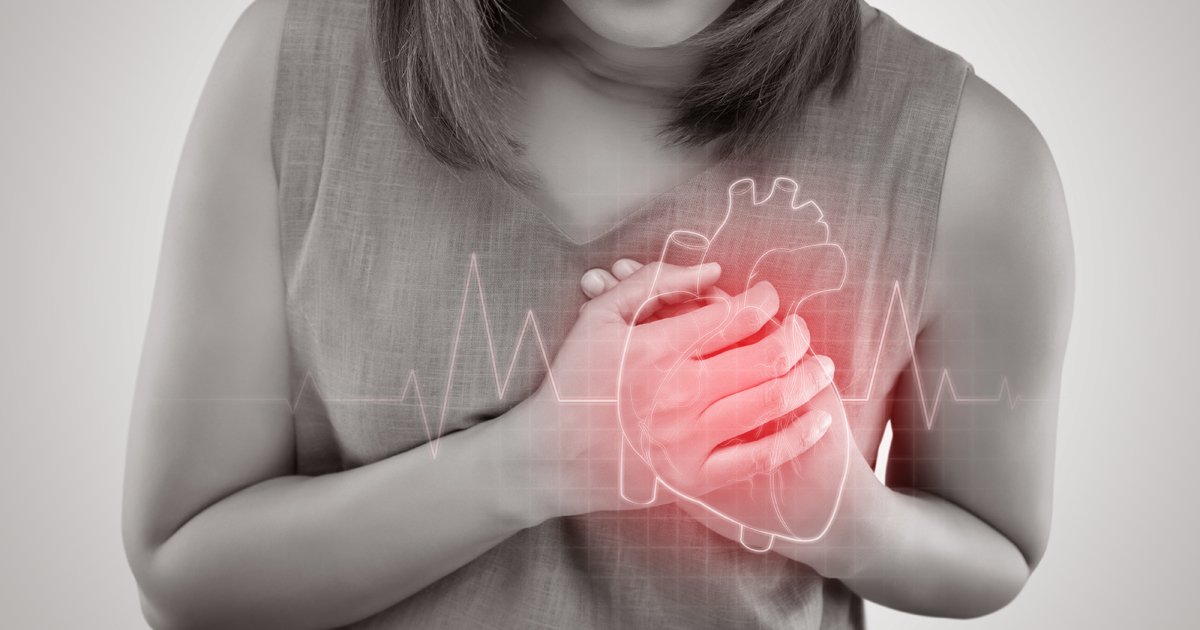
Kathmandu. There is a common perception that people who are fit, exercise regularly, maintain proper nutrition, and do not have high blood pressure or diabetes are not at risk of a heart attack. However, this is not entirely true. Heart attacks can occur even in people who appear perfectly healthy. We have seen many such incidents. Today, we will discuss why this happens.
Heart health does not depend solely on lifestyle. There are many risk factors that our eyes cannot directly see. The most significant is genetics or family history. If a person's parents or close relatives suffered from heart disease at a young age, they are at risk of a heart attack even if they are fit.
Age is also a major factor. The risk of heart attack gradually increases after the age of 40. This risk appears earlier in men. In women, this can happen after menopause (the cessation of menstruation).
Certain inflammatory diseases, such as psoriasis or rheumatoid arthritis, can also damage the heart's arteries. Even if an individual is fit, such problems can lead to blood clotting and increase the risk of a heart attack.
What are the risk factors?
Even if you exercise regularly, you might still have high cholesterol or high blood pressure. This can sometimes remain asymptomatic. Therefore, it is important to check your cholesterol profile every 4 dash;6 years after the age of 20.
Stress is also a major cause, but many people ignore it. Chronic stress can increase both blood pressure and cholesterol, thereby increasing the risk of a heart attack.
What are the warning signs?
When a fit or young person suffers a heart attack, people start wondering why it happened suddenly. But the truth is, the body gives some signals before a heart attack occurs.
For example:
– Feeling pressure or mild pain in the chest
– Pain in the jaw, neck, shoulder, or back
– Sudden difficulty in breathing
– Dizziness or fainting during exercise
– In women, excessive fatigue, mild chest discomfort, or shortness of breath
These are the ways to prevent it
– Get your blood pressure, sugar, and cholesterol checked regularly.
– Find out about your family's medical history and discuss it openly with your doctor.
– Focus on stress management. Yoga, meditation, or mindfulness can be useful for this.
– Quit smoking/vaping
– Adopt a healthy diet.
(Disclaimer: This material, along with the advice, provides only general information. Always consult an expert or your doctor for further information.)
This specific news has been automatically translated by AI. As a result, there may be some inaccuracies or language errors.