Air Pollution May Alter Sperm DNA Function, Study Suggests

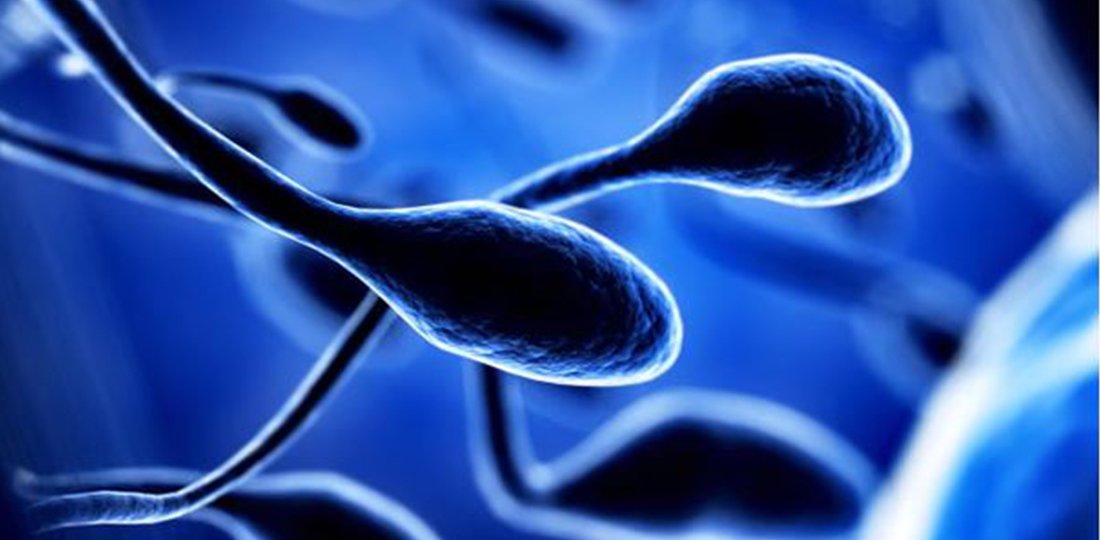
Kathmandu. Air pollution can bring about changes in the functioning of male sperm DNA, a large study has shown. According to researchers, subtle changes in gene activation or inactivation processes have been observed in men exposed to polluted air during sperm development, raising concerns about male fertility. This study was presented on Tuesday at the annual conference of the European Society of Human Reproduction and Embryology held in London.
The research has specifically identified ozone and nitrogen dioxide as the pollutants most associated with such changes in sperm DNA. Dr. Carrie Nobles, an epidemiologist at the University of Massachusetts Amherst, who led the study, stated that exposure to air pollution during the crucial stage of sperm development has been linked to changes in sperm DNA.
The study, conducted from 2013 to 2017 in Salt Lake City, Utah, USA, involved over two thousand men. Participants provided sperm samples at the beginning of the study and then at two, four, and six months. Researchers evaluated the extent to which they were exposed to outdoor air pollutants such as ozone, nitrogen dioxide, sulfur dioxide, and fine particulate matter for three months prior to each sample collection. This period is considered the time for sperm production.
Analysis of sperm DNA from 1,220 men who provided samples after six months revealed 39 types of DNA changes related to air pollution. According to the research, these changes are related to DNA methylation. This process is a system of adding chemical marks to DNA to activate or inactivate genes, affecting gene function without altering the genetic code.
The gene identified in the study, GNAS, has previously been found to be associated with poor sperm quality and embryonic development. While changes in gene function may affect male fertility, further research is needed to confirm a direct link between air pollution and infertility, Dr. Nobles said.
Professor Allan Pacey, a male reproductive health expert at the University of Manchester, stated that while the study shows measurable changes in sperm DNA, further research is still needed to confirm how clinically significant these changes are for male infertility. Similarly, Professor Richard Lea, a reproductive biology expert at the University of Nottingham, commented that this study further strengthens the evidence that air pollution negatively affects sperm quality.
This specific news has been automatically translated by AI. As a result, there may be some inaccuracies or language errors.