Nepal's Mountain Tourism Stifled by Outdated Laws, Bureaucracy, and High Costs


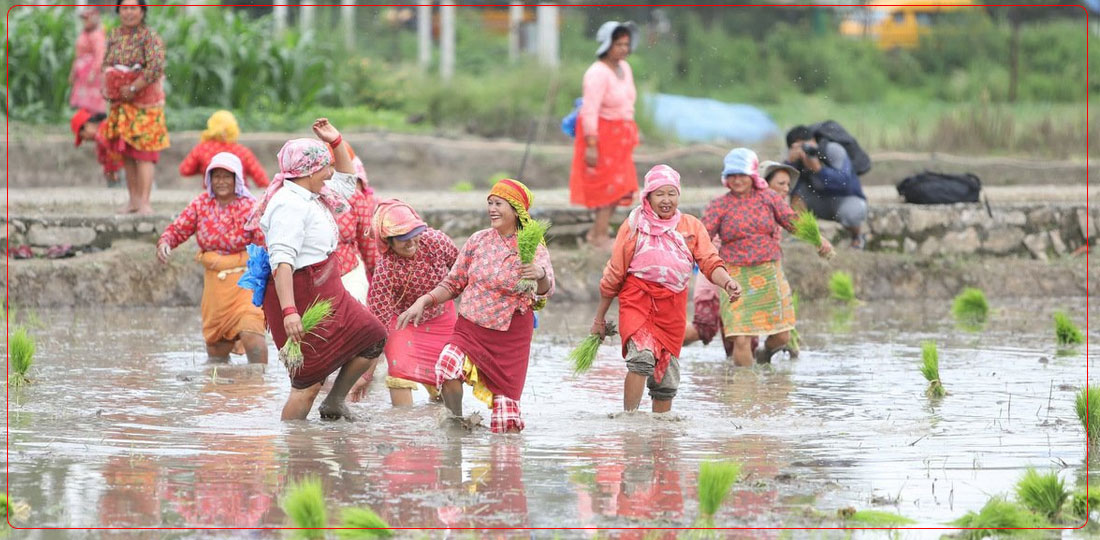
Nepal's identity globally is tied to its mountains and hills. It is no exaggeration to say that mountain tourism is the backbone of Nepal's economy, yet this sector, brimming with immense potential, is trapped in decades-old policies, practical difficulties, and administrative red tape.
According to tourism entrepreneurs, despite the government frequently discussing tourism promotion, the sector has failed to gain expected momentum due to knots visible at the policy level. Specifically, national park regulations, provisions for restricted areas, expensive air services, and ambiguities in federalism implementation are constricting mountain tourism.
- National Parks and Conservation Areas: Protection or Obstruction?
A large portion of Nepal's mountain tourism falls within national parks and conservation areas, but the irony is that these very areas are currently becoming the main obstacles to expanding the tourism business. Strict national park rules impede entrepreneurs attempting to improve the quality of hotels and lodges operating within parks and buffer zones.
Tourists expect not just basic facilities but also somewhat deluxe services when visiting the mountains, but entrepreneurs struggle to upgrade sanitation, quality control, and physical infrastructure within the parks. Building large hotels is impossible, and policies prevent the improvement of smaller ones. Furthermore, conservation areas like Annapurna, Manaslu, and Gaurishankar occupy space but exhibit a tendency not to facilitate entrepreneurs. There is an urgent need to reform policies that discourage business in the name of conservation and facilitate the construction of well-equipped structures in an eco-friendly manner.
- Administrative Delays in Restricted Areas and Rescues
Nepal's Tourism Act was enacted in 2035 BS (1978 AD). Many provisions of this nearly five-decade-old act are irrelevant in the current context. Especially in areas designated as restricted or prohibited, security standards established around the time of the Kampa rebellion in 2028/029 BS (1971/1972 AD) are still being enforced for taking foreign tourists.
For instance, to visit Upper Mustang, a permit is still not issued unless there are two tourists. Previously, reaching there took 10 days due to the lack of road access, and a daily fee of $50 was required. Now, one can reach and return from Mustang in just two days, but the rule remains the same. An even more serious issue is related to rescue. If a tourist falls seriously ill in the border areas of Mustang or Manaslu, legal procedures take a long time to bring in a helicopter. The risk of the patient dying while completing paperwork, including the Chief District Officer's permission and coordination with the Home Ministry, remains high. If someone falls ill on a Friday afternoon, the mandatory wait until government offices open on Sunday sends an unsafe message about tourism in Nepal.
- Imbalance Between Infrastructure and Tourist Arrivals
Recently, significant investment has been made in hotels and tourism infrastructure in Nepal. According to the Hotel Association, Nepali hotels have the capacity to accommodate approximately 3.5 million tourists annually, but looking at the actual tourist arrival statistics, it is limited to around 700,000 per year. This means the room occupancy rate is only about 20 percent.
Operating a business at 20 percent occupancy, paying bank loans, supporting staff, and making a profit is almost impossible. This has disheartened investors. In neighboring India, the tax on tourism is 5 percent, and in Bhutan, there is no tax at all, yet Nepal imposes a 13 percent Value Added Tax (VAT). In such a situation, it is necessary to waive visa fees to increase tourists, integrate entry fees (so paying in one place covers all), or introduce concession packages like Thailand and Vietnam. The tourism infrastructure here cannot yield returns unless at least 2.5 million tourists are brought in.
- Expensive Airfare and the Debate on 'Quality' Tourism
The main reason it is expensive for foreign tourists to come to Nepal is airfare. There is a lack of Nepal's own national flag carriers operating long-haul flights. Relying on foreign airlines and high 'ground handling' charges in Nepal cause ticket prices to skyrocket. On the other hand, since there is no cargo (goods) leaving Nepal, planes often have to fly one way empty, the cost of which is added to the tickets of incoming passengers. The long-term solution is for the state to take the risk and purchase and operate 5 to 10 large aircraft.
Often, there is a debate emphasizing 'quality' over 'quantity,' but according to entrepreneurs, Nepal is not in a position to selectively bring only high-quality tourists right now. Unless 2.5 to 3 million tourists arrive annually, filtering cannot be done. Imposing strict quality standards when the number of arrivals is already low could further decrease tourist arrivals. Therefore, the wise strategy is to prioritize increasing the quantity first and then gradually move towards quality.
- Federalism and Regulatory Hurdles
With the country moving to a federal structure, some confusion has arisen in tourism sector regulation. Tourism offices in the Kathmandu Valley have been moved to Hetauda under the Bagmati Province, forcing entrepreneurs to travel to Hetauda for minor tasks. Entrepreneurs suggest that keeping a sensitive sector like tourism under a centralized structure, similar to the Ministry of Forests, would be more effective. With local-level tourism budgets being spent only on temples, view towers, or building walls, having the core tourism policy and regulatory authority with the central government or a empowered authority could establish a single-window system.
To boost Nepal's mountain tourism, there is no alternative but to immediately amend the 2035 BS Tourism Act to make it contemporary. Regulations in national parks and conservation areas must be made flexible, facilitating eco-friendly infrastructure development. Administrative hassles seen in rescue operations must be removed, and a 'single-window crisis management system' should be implemented. Furthermore, Nepal cannot become a cheap and accessible destination without expanding the capacity of the national flag carrier. Only if the state plays the role of a facilitator rather than a controller can Nepal's mountain tourism reach its true altitude.
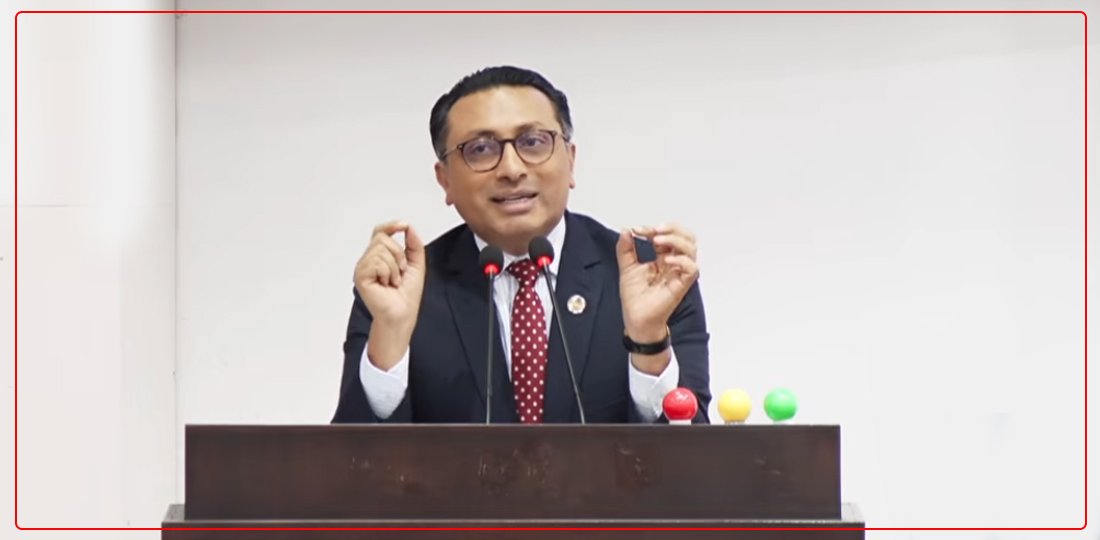
(Based on an interview with the former President of the Trekking Agencies' Association of Nepal, Bastola.)
This specific news has been automatically translated by AI. As a result, there may be some inaccuracies or language errors.
_OpOYENSORc.jpg)