Nepal Multiple Indicator Survey 2081/82 Reveals Key Findings on Child Mortality, Access to Services

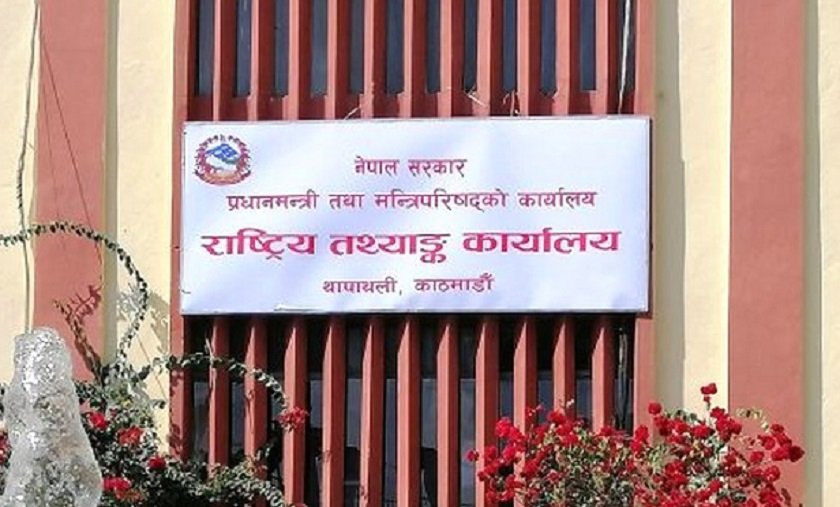
Kathmandu. The Central Bureau of Statistics (CBS) has published the results report of the 'Nepal Multiple Indicator Survey 2081/82'. The office stated that this survey was conducted and its results published with the objective of providing national and provincial level monitoring, evaluation, planning, and comparable indicators regarding the status of women, children, and households.
This survey, conducted by the CBS in the fiscal year 2081/82, is the fourth Multiple Indicator Survey conducted in Nepal. According to the survey report, 27 infants die before reaching one year of age per one thousand live births in Nepal. Similarly, the under-five child mortality rate is 31 per one thousand live births. Looking at the neonatal mortality rate, it shows that 17 newborns die before one month of age per one thousand live births.
Regionally, the highest neonatal mortality rate is in Sudurpashchim Province at 26, and the lowest is in Bagmati Province at 10. The infant mortality rate is also highest in Sudurpashchim Province at 38 and lowest in Bagmati Province at 17. The under-five child mortality rate is highest in Sudurpashchim Province at 48 and lowest in Gandaki Province at 20.
According to the report, 96.7 percent of households have continuous access to electricity service. Regionally, electricity access is highest in Gandaki Province at 99.5 percent and lowest in Karnali Province at 80.8 percent.
Regarding telephone service, 95.5 percent of households have access to fixed or mobile telephone. Among these, Bagmati Province has the highest access at 97.1 percent, and Sudurpashchim Province has the lowest at 92.6 percent of households having telephone facilities. It was found that four out of every five households, or 82 percent, use devices with internet access.
According to the study, 30.6 percent of women aged 15 to 49 own a mobile phone, while 72.7 percent have used a mobile phone in the last three months. Among men in the same age group, 90.4 percent own a mobile phone, and 78.7 percent have recently used a mobile phone.
The survey found that 5.1 percent of women and 41.8 percent of men aged 15 to 49 used tobacco products in the month preceding the survey. Furthermore, 7.6 percent of men and 2.1 percent of women started smoking cigarettes or bidis before the age of 15.
According to the total fertility rate, an average of 1.9 live births occur per woman. Among adolescents aged 15 to 19, there were 48 live births per one thousand adolescents, while 11.2 percent of women aged 20 to 24 gave birth before the age of 18.
Among recently married women aged 15.49 years, 35 percent used some form of family planning, while 55.2 percent of women expressed satisfaction with modern family planning services.
Among women who gave birth up to two years before the survey, 85 percent received at least four antenatal check-ups. Similarly, 90.5 percent gave birth in a health facility, 91.4 percent with the assistance of a skilled birth attendant, and 25.3 percent through Cesarean section.
Among children under five years old, 24.3 percent are underweight (wasting) and 31.5 percent are stunted (low height for age). Two point six percent of children were overweight and 7.6 percent were obese. Wasted children are most prevalent in Madhesh Province (33.2 percent) and least prevalent in Bagmati Province (9.6 percent).
Two out of three mothers, or 69.7 percent, exclusively breastfed their infants for up to six months. This rate is highest in Sudurpashchim Province at 76.6 percent. Furthermore, 80.7 percent of children aged 12 to 23 months completed all vaccinations in the first year.
In the two weeks preceding the survey, eight percent of children had diarrhea, and among them, 20.6 percent were given zinc and oral rehydration solution.
According to this study, 57.9 percent of children aged 36 to 59 months participated in early childhood education programs. 4.5 percent of children are out of school at the primary level (Grades 1-5), 3.6 percent at Grades 6-8, and 13.2 percent at the secondary level (Grades 9-12).
Furthermore, 85.4 percent of children under five years old have had their births registered. This rate is highest in Karnali Province at 95.8 percent and lowest in Koshi Province at 78.4 percent.
Although 98.2 percent of Nepal's population uses an improved source of drinking water, bacteria were found in the drinking water of 60.4 percent of households. Similarly, 92.4 percent use an improved toilet facility, and 86.4 percent of households have handwashing facilities available.
Regarding health insurance, 17.8 percent of women and 19.6 percent of men aged 15 to 49 are enrolled in insurance. This Multiple Indicator Survey is expected to provide a crucial statistical basis for federal and provincial level planning, policy formulation, monitoring of Sustainable Development Goals, and multidimensional poverty measurement.
During the survey, 12,960 households were selected from 540 enumeration areas across the country. The office stated that data was collected regarding the health, education, nutrition, mental health, and drinking water quality of women, men, children, and adolescents.
This specific news has been automatically translated by AI. As a result, there may be some inaccuracies or language errors.