Nepali Political Leaders Prioritize Vengeance and Ego Over Concrete Agendas Ahead of Elections
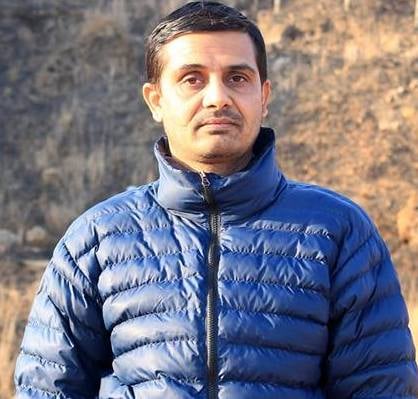
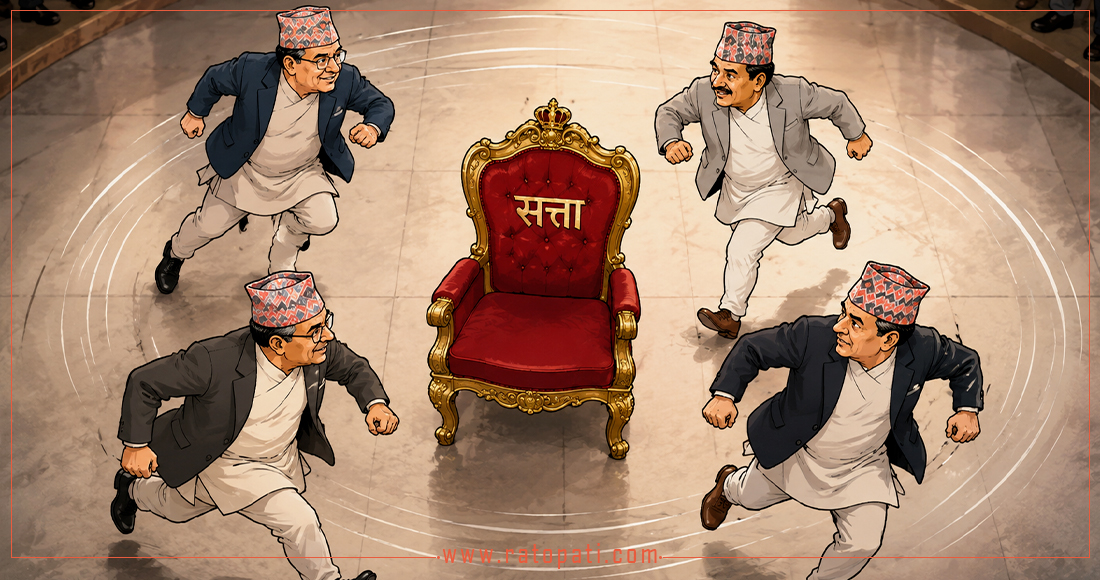
Kathmandu. Responsible political parties and their leaders, who should be presenting concrete agendas and commitments to the public during election time, are instead attempting to garner votes by carrying 'retaliation and ego'.
This kind of competition is most visible among the top leaders of parties that have held responsible positions in the country and aspire to run it again. Political analysts suggest that the politics of ego and revenge is detrimental to the nation and erodes public trust in political parties, necessitating a reform in such tendencies. Analysts advise that instead of prioritizing clear blueprints for national development, good governance, employment plans, and foreign policy agendas when seeking votes, political parties and leaders must change the culture of mutual accusation, slander, and abuse.
- Let's look at recent examples:
1. KP Sharma Oli
- "Some people have arrived in my area with small horns to wrestle. I don't need to say much, there are two types of eggs: one is a 'batase' (windy/empty) egg, and the other is real. Chicks do not hatch from 'batase' eggs; these people are cultivating wind. They have no objective, no ideology, and no idea where they will be tomorrow."
This comment by former Prime Minister KP Sharma Oli, made while speaking at an event at the CPN-UML party office in Chyasal last Saturday, is clearly aimed at Balendra Shah (Balen), who is competing against him in the House of Representatives election in Jhapa Constituency No. 5 on Falgun 21.
2. Rabi Lamichhane
- "This country, being scavenged like vultures picking at carrion, is preparing for a final tsunami. My open request is: whoever needs to unite, unite now. Unite openly or secretly, form the coalition you need to form. Exert your final strength and stop this tsunami; we will accept the election results, but we will not accept any maneuver, pressure, or threat to reinstate the old parliament that was uprooted by a popular revolt."
This comment made by Rastriya Swatantra Party (RSP) Chairman Rabi Lamichhane on his social media Facebook two days ago is clearly targeted at the Congress, UML, and the Nepal Communist Party. Lamichhane, a former Deputy Prime Minister and Home Minister, made this statement amidst discussions of a possible electoral alliance and cooperation between the UML, Congress, and CPN (Oli, Prachanda, and Gagan Thapa) in the upcoming elections.
The statements by the two leaders above are merely representative examples as the election approaches. With the election campaigning opening after Falgun 4, a natural increase in harsher statements, comments, taunts, and slander from leaders and the leadership level is expected.
There is less than a month left until voters cast their ballots on Falgun 21. However, voters have not even had a chance to look at the parties' manifestos, let alone read them. It is already late for voters to form an opinion on which party and candidate to vote for after reading the manifestos of political parties. Instead, they are waiting to see what kind of manifesto the other party and candidate will create and how they can be different from it, watching each other's 'playbook'.
Experts in political science argue that the growing culture of slander and the tendency to watch each other's 'playbook' in Nepali politics will prevent the society and the country from moving in the right direction. They also state that such tendencies will further decrease trust in politics and rapidly increase incidents of anarchy.
According to them, while some mild taunting between parties and leaders during elections is natural, believing that the louder one insults the other, the more votes they will receive, is extremely harmful. "So far, it hasn't descended to a very low level of abuse, but the leadership should be mild instead of resorting to taunts and slander," says political analyst and Professor Dr. Lokraj Baral. "Our Nepali society is not one that engages in such abuse."
Analyst Baral believes that while occasional mild taunting by political parties and leaders aspiring to run the country should not be taken as abnormal, continuously expressing themselves driven by revenge and ego is unacceptable.
"So far, it seems okay, but after Falgun 5, electoral activities will increase, and further provocation might increase," Baral said. "Oli said a few days ago, 'Do babies come out of 'batase' eggs?' That much is tolerable, but anything more than that will not be accepted."
_QtUEsy0lyy.jpg)
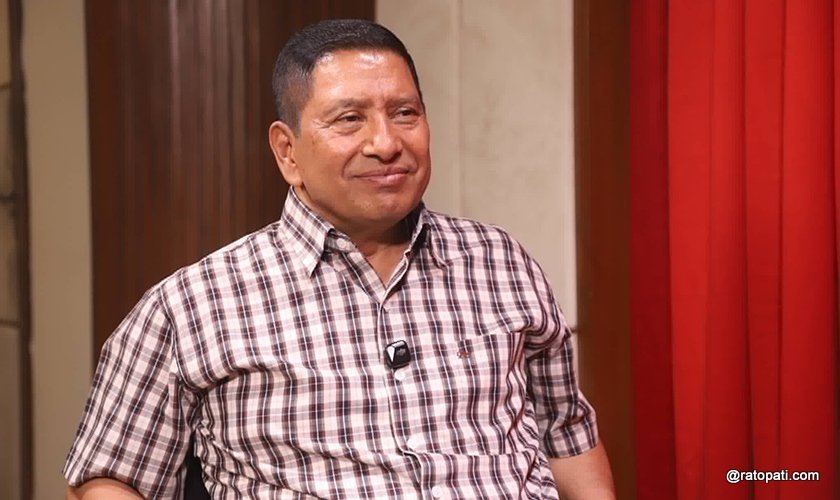
Another professor from Tribhuvan University and political analyst, Dr. Bheshraj Ghimire, believes that the fact that major political parties and leaders are still resorting to mutual accusations to cover up their own shortcomings, even after such significant political changes, indicates a lack of clear programs and direction among them.
"We talk about our culture, and we are making such big changes," says Professor Dr. Ghimire. "But parties still haven't brought any concrete programs other than accusing each other."
Dr. Ghimire states that all political actors, big or small, new or old, are adding to the despair by only pointing out what hasn't been done and what has gone wrong in Nepali politics.
"They themselves claim they will do everything. But there is no visible method or plan on how they will do it or what they will combine to achieve it," Ghimire said. "The culture of slander has grown so much that if a leader speaks without abusing others, they won't get applause, and workers and people won't follow them anymore."
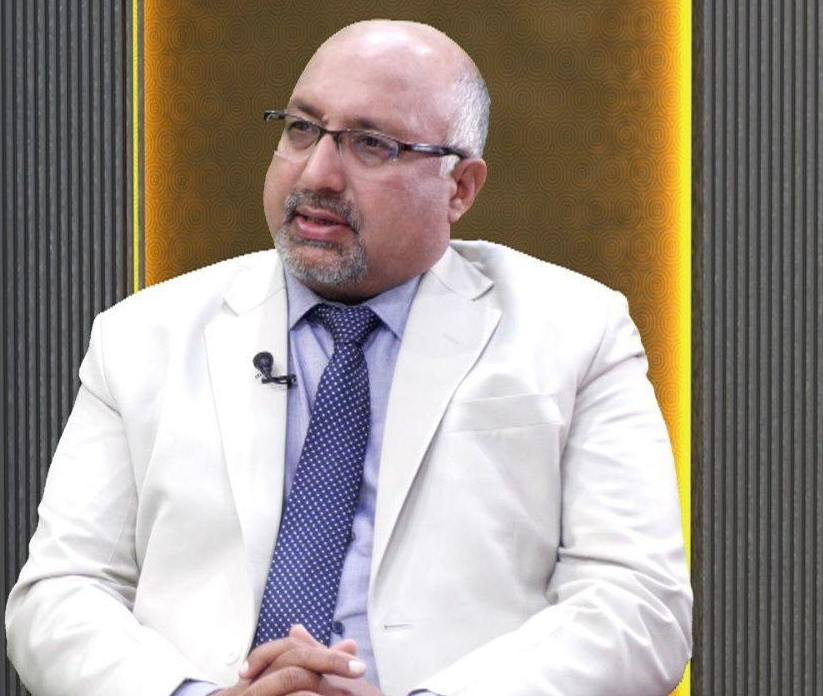
Dr. Ghimire analyzes this situation in politics as a state of decline and criticizes the fact that major parties have not even published their manifestos when there is less than a month left until election day, calling it shameful. "Major parties have not even brought out their manifestos yet," Ghimire says. "The situation where they wait to see what the other party brings out before releasing theirs is a paradox."
Ghimire understands that in a democratic system where voters choose based on manifestos, parties are doing wrong by delaying the release of their electoral manifestos.
"The public must have the opportunity to distinguish: What is the commitment of which party to build the nation? What is the international relationship? What is the economic policy? What is the modality and agenda for good governance?" Ghimire said. "It is completely wrong to think that votes will come by looking at TikTok likes and comments without examining these things."
Ghimire analyzes that the tendency to show more problems rather than offering solutions has become prevalent in Nepali politics among those in power and those outside of it.
"Everyone is only showing problems. The major parties and leaders should not show problems. The public should show the problems," Ghimire says. "The leadership should show the solutions." Ghimire criticizes that parties are ashamed to present a blueprint for development linked to the country's geography, climate, and tourism.
"In a situation where dependence is increasing, there must be a thought, agenda, and blueprint on how to reduce it," Dr. Ghimire says. "What is the strategy to overcome why we are victims of geopolitics? The political culture and environment that parties are creating, filled with mere fanfare during election campaigning, mutual slander, and accusations, is not just a paradox for democracy, but nothing less than a mockery and insult to the sacrifice and martyrdom of the citizens."
Political analyst Dambar Khatiwada states that major political parties and leaders are engaging in slander and mutual accusations driven by a spirit of revenge rather than healthy political competition. Khatiwada understands that due to the emotional psychology prevalent among Nepalis, there is little interest in rational arguments, knowledge and ideas, agendas and consistency, or logic and systems.
"Therefore, this is revenge psychology. It is a mentality of retaliation. Retaliation replaces old rulers but does not yield concrete results," Khatiwada concludes.
Khatiwada suggests that voters or cadres who want revenge against old leaders are making Balen Shah a 'bogeyman' in the name of the new. "One side is in the psychology of taking revenge against Oli, Deuba, and Prachanda by making Balen a bogeyman, while the other side is calling change mere violence," he said.
Khatiwada argues that currently, there should be a debate on the parties' agendas rather than on accusations and counter-accusations.
"What are the agendas of whom? What is the different political culture? What is the quality of the leadership? What will they do if they come to power? This is what should be debated," Khatiwada told Ratopati. "Why should we keep giving chances to Congress, UML, and Maoists repeatedly? Or why shouldn't we? Or how are those who call themselves new actually new? We must be clear about this."
Khatiwada stated that the RSP is currently calling itself new, and one must be able to discern whether the RSP itself is new or not. "The RSP has already been in government twice, and just because Balen Shah joins the RSP doesn't mean others aren't new," Khatiwada said. "We must find answers to all these questions. But political workers do not seek the answers."
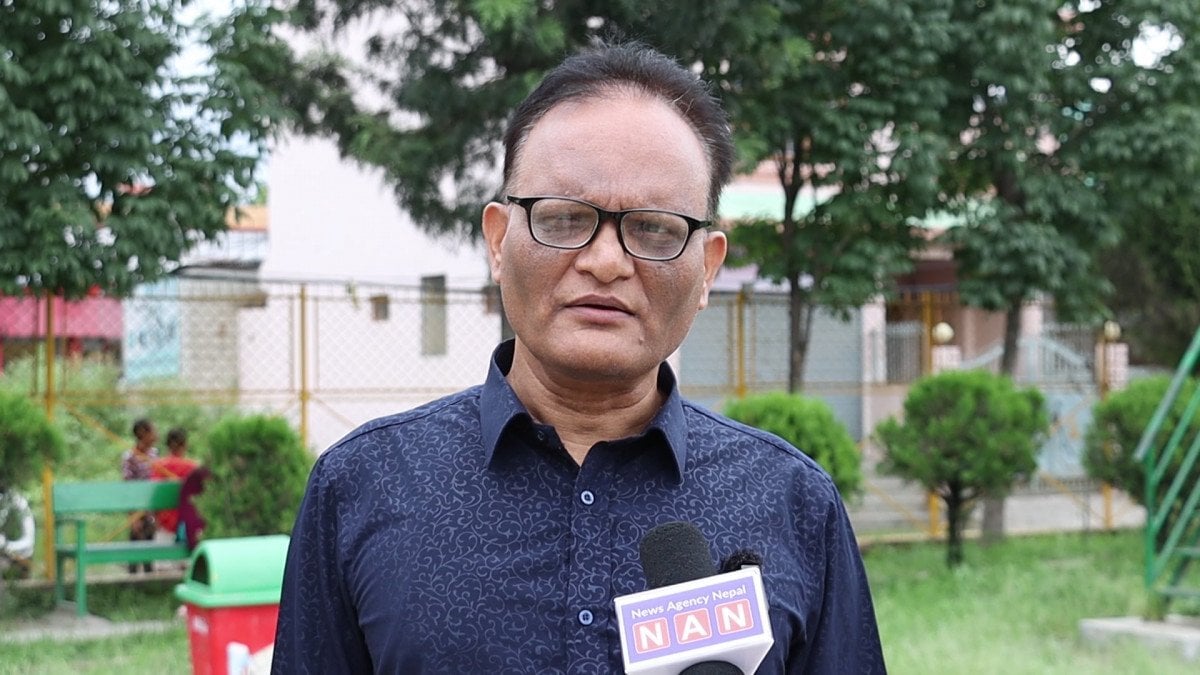
Khatiwada suggests that independent civil society, voters, the media, and the intellectual community should initiate a debate to find these answers.
Ghimire suggests that parties should stop engaging in slander and mutual accusations at this time and instead be able to say, "We will not run the country on borrowed money anymore." "We must win the hearts of the people by saying that we can create development blueprints within the country by looking at our geography and economic potential," Ghimire said. "We must be able to say, 'We have these plans for a prosperous, sustainable, and self-reliant economy, and we will implement them if we get a majority.'"
Ghimire states that public trust in parties will only increase if they can assure citizens that by bringing plans for forest products, agriculture, and small-scale entrepreneurship, development might not leap forward in a single year, but hope can be generated, and imports can be substituted."
This specific news has been automatically translated by AI. As a result, there may be some inaccuracies or language errors.