Nigerian President Deploys Troops After Gunmen Kill 162 in Kwara State Attack

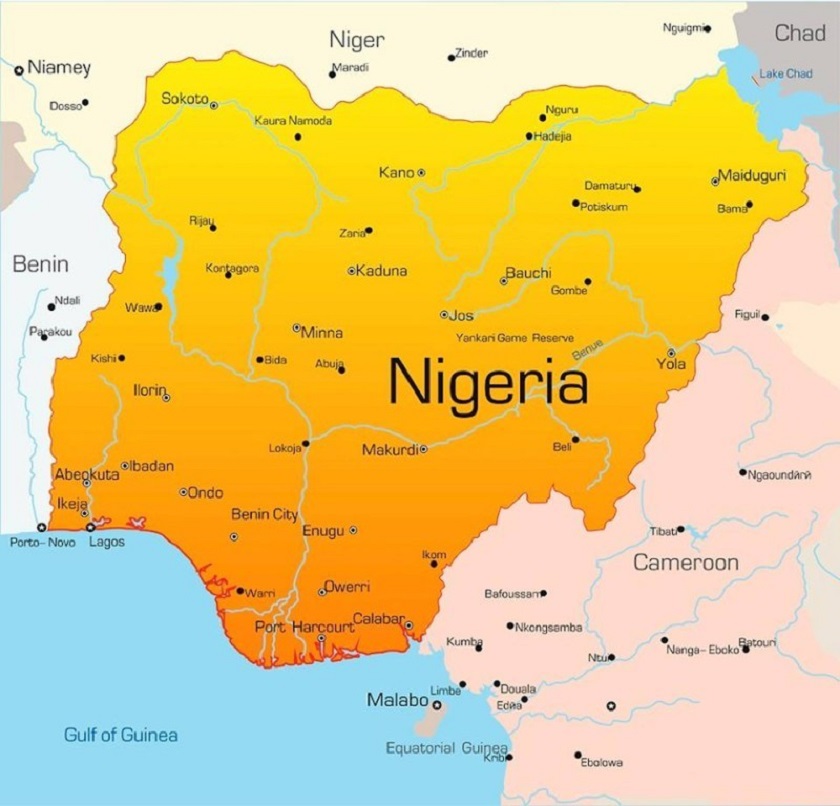
Abuja. Following the killing of 162 people by gunmen in Nigeria's Kwara State, President Bola Ahmed Tinubu has ordered the immediate deployment of army battalions to reinforce the country's security apparatus.
The attack on Woro village Tuesday night followed recent military operations in the area where the army had taken action against 'terrorist elements'. Gunmen set fire to shops and the traditional ruler's house, and the wounded fled into the bush, said Babamoyo Ayodeji, Secretary of the Red Cross in Kwara State.
According to Ayodeji, the death toll has now reached 162, and the search for more bodies is ongoing. The police confirmed the attack but stated the casualty figures were unclear. Initial figures from local lawmaker Saidu Baba Ahmed suggested 35-40 deaths, but he noted that more bodies were likely to be found as the wounded had fled. The Governor of Kwara State, Abdul Rahman Abdul Razaq, had previously stated the death toll was 75.
Details often appear contradictory following attacks in rural areas. No group has claimed responsibility, but the state government has blamed 'terrorist cells,' while Tinubu has held the Boko Haram jihadist group responsible for the attack. Parts of Nigeria are plagued by armed gangs involved in village looting, kidnapping, and extortion for ransom, inter-communal violence, and jihadist groups active in the north.
Deploying troops, President Tinubu condemned the 'savage attack' against villagers who reject the ideology of jihadists. Tinubu expressed outrage in a presidential statement over the killing of community members by the attackers.
Lawmaker Ahmed stated that gunmen attacked Woro around 6 p.m. Tuesday (1700 GMT), setting fire to shops and the king's palace. According to a United Nations security report, in a separate incident in Katsina State in the north, 27 'terrorists' were killed in an air force operation, but 23 civilians are suspected to have died.
The whereabouts of the traditional king in Woro were unknown, but Red Cross officials named him as Alhaji Salihu Umar. Many traditional rulers, Emirs, and chiefs in Nigeria hold significant local and cultural influence even without holding political office.
The military has intensified operations against jihadists and armed bandits. Last month, the army launched 'continuous coordinated offensive operations against terrorist elements' in Kwara State, and local media reported that the army had neutralized 150 bandits, rendering them incapable of posing a security threat. According to an army statement issued on January 30, security forces destroyed abandoned camps and supply sources by attacking remote camps.
Jihadist attacks escalated last year. JNIM, a group affiliated with Al-Qaeda, claimed responsibility for the first attack in Kwara State, and the group's operations are based in Niger, Nigeria's northern neighbor. According to researcher Brantt Phillips, the latest raid occurred near a site attacked by JNIM in October, signaling a 'direct overlap' and a slow alliance between JNIM and Boko Haram.
In response to security issues, Kwara State imposed a curfew in some areas and kept schools closed for several weeks, later ordering them to reopen on Monday.
The issue of insecurity in the country is under deep scrutiny following accusations by former US President Donald Trump of a 'genocide' of Nigerian Christians. However, the Nigerian government and independent experts have rejected this claim, stating that both Christians and Muslims have been killed in the violence, often without discrimination.
This specific news has been automatically translated by AI. As a result, there may be some inaccuracies or language errors.