Over 1,900 Affected by Snakebites in Nepal's Sudurpashchim Province Over Three Years

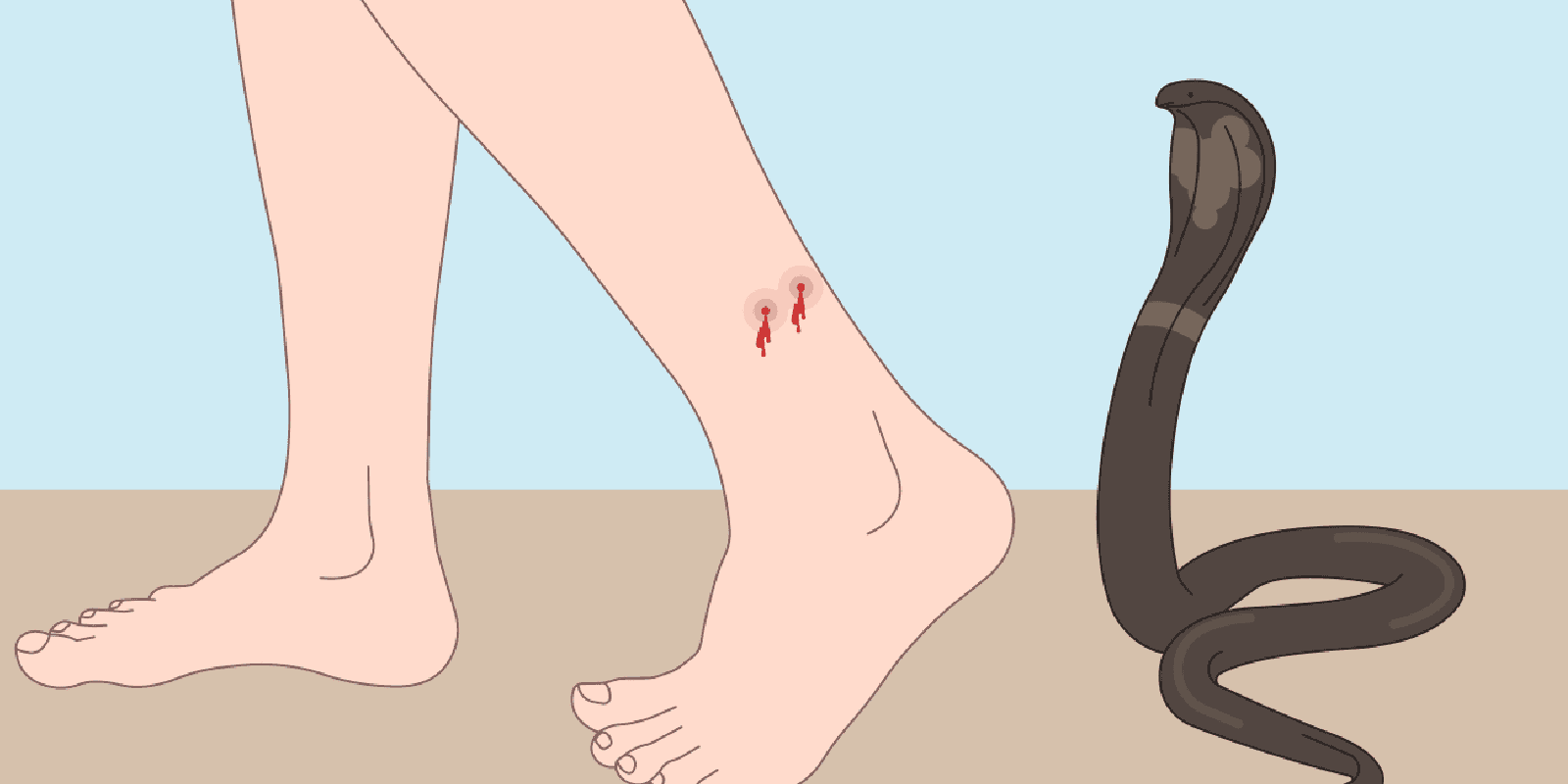
Kanchanpur. A total of one thousand nine hundred twenty-six people have been affected by snakebites in Sudurpashchim Province over the last three years. Of these, 154 were bitten by venomous snakes, according to the statistics from the Health Directorate.
According to Hemraj Joshi, an official for vector-borne diseases at the Sudurpashchim Province Health Directorate in Dipayal, 587 people have been affected by snakebites so far in the fiscal year 2082/83. Of these, 17 were bitten by venomous snakes and 570 by non-venomous snakes.
Similarly, in the fiscal year 2081/82, 827 people suffered snakebites. Of these, 46 were bitten by venomous snakes and 781 by non-venomous snakes. In the fiscal year 2080/81, 512 people were affected by snakebites. Of these, 91 were bitten by venomous snakes and 441 by non-venomous snakes.
The districts of Kailali and Kanchanpur in the province are at high risk of snakebites. Official Joshi stated that snake movement is higher in these districts due to the Terai region, dense settlements, fields, rivers, and abundant bushes.
According to him, bites from venomous snakes such as the cobra and krait are more commonly seen in Sudurpashchim. He mentioned that incidents of krait bites occurring while people are sleeping, especially at night, are more frequent.
Snakebite incidents tend to increase, particularly during the monsoon season and the farming season. Health workers note that the pressure of snakebite patients at hospitals increases during this period, from Jestha to Ashoj, due to increased work in the fields, snakes entering homes at night, and the problem of snakes entering settlements due to floods and inundation.
According to health workers, many victims, instead of going to the hospital after a snakebite, rely on faith healing, shamans, and home remedies. This creates a situation where lives are put at risk.
“If patients bitten by venomous snakes reach the hospital in time to receive the 'Anti Snake Venom' injection, they can be saved,” said Lilakanta Jha, head of the Dekhatbhuli Health Post in Kanchanpur, adding, “Delay increases the risk of death.”
Although primary treatment services for snakebites are available in all nine districts of Sudurpashchim, there is a compulsion to refer critically ill patients to well-equipped hospitals. Health workers say that bringing snakebite patients from rural and remote areas to the hospital in time is difficult due to poor road conditions and a lack of transportation services.
In the Terai districts, the Nepali Army operates snakebite treatment centers in various locations in coordination with local levels. This has helped save the lives of patients in emergency situations.
This specific news has been automatically translated by AI. As a result, there may be some inaccuracies or language errors.